

Spending time on skincare can be enjoyable, creative and soothing. But sometimes this self-care can be concerning. Could it be ‘cosmeticorexia’?
Articles on Body dysmorphic disorder
Displaying all articles
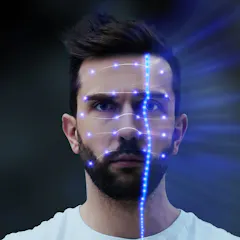
AI-generated attractiveness scores raise concerns about body image, privacy, child safety and coercive control.

Sensationalizing extreme behaviors like self-starvation and ‘bonesmashing’ rather than treating them as mental health symptoms can prevent boys and young men from getting much-needed care.
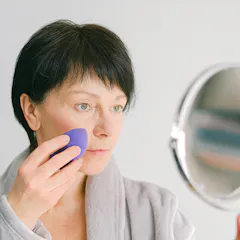
For nearly three years, we’ve assessed Australians’ mental health before they have cosmetic surgery. So what difference has it made?

‘Body swapping’ may help people get a clearer idea of what their own bodies are really like.

Greater body appreciation is also closely tied to other aspects of wellbeing, such as fewer symptoms of depression.
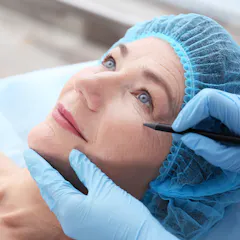
If you’re thinking of a breast augmentation, liposuction, or a face lift, this latest move is designed to provide extra protection. Here’s what you need to know ahead of surgery.

With our faces seemingly everywhere − from Zoom meetings to selfies − more people are developing anxieties about how they appear online.
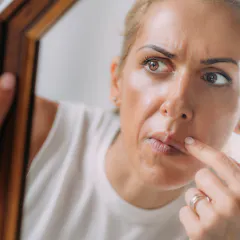
About a quarter of those with body dysmorphic disorder attempt suicide or struggle with ideas of suicide. Fortunately, medication and therapy have proved highly effective at treating the disorder.

Research has confirmed higher rates of body dysmorphic disorder among people seeking cosmetic procedures, but we don’t know as much about other mental health issues.

Boys, LGBTQ youth and people with normal body mass index are often overlooked when it comes to recognizing eating disorders, a physician and psychotherapist explain.

Social media and changing ideas about masculinity are making more and more young men believe their body is too small, skinny or insufficiently muscular.

People with facial difference often develop strategies for smoothing over social awkwardness, such as ways of introducing the issue into conversation early or using humour to deflect attention.
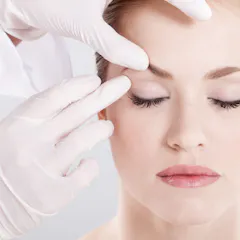
To not screen, and then deliver cosmetic procedures to people who may have body dysmorphic disorder, goes against the medical dictum “first do no harm”.

Psychological distress among teenage girls has risen by 4% in the past decade.
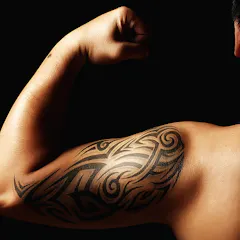
Steroids are easy to scapegoat. Users are viewed as aggressive, violent and mentally unstable, able to snap at any moment and cause great harm to the people around them. Ostensibly, it is this perception…

When people think of mental problems related to body image, often the first thing that comes to mind is the thin figure associated with anorexia. Body dysmorphic disorder is less well known, but has around…
Top contributors
-

Professor, Head of Body Image, Eating and Weight Disorders Research, Adelaide University
-
Adjunct Research Fellow, School of Psychological Sciences, Monash University
-
PhD candidate, School of Psychology, University of Sydney
-
Chair of Psychiatry, The University of Melbourne
-
Assistant Professor of Pediatrics, University of Virginia
-
Communication Faculty Member, Colorado State University Global
-
Emeritus Professor of Psychology, University of the West of England
-
Professor of Psychiatry and Clinician Scientist at the Centre for Addiction and Mental Health, University of Toronto
-
PhD, School of Psychological Sciences, The University of Melbourne
-
Professor of Paediatric Plastic and Maxillofacial Surgery, The University of Melbourne
-
Clinical Assistant Professor of Psychiatry, School of Medicine, Hofstra University
-
Professor of Social Psychology, Anglia Ruskin University
-
Assistant Professor of Psychiatry, University of Colorado Anschutz
-
Senior Lecturer in Sport and Exercise Therapy, Leeds Beckett University
-
Adjunct Research Fellow, Swinburne University of Technology; Federation University Australia