

Spending time on skincare can be enjoyable, creative and soothing. But sometimes this self-care can be concerning. Could it be ‘cosmeticorexia’?
Articles on Body dysmorphia
Displaying all articles
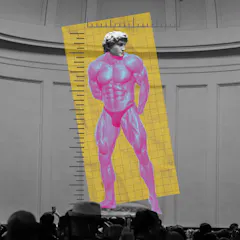
In today’s looksmaxxing culture, young men pursue a supposedly ‘ancient’ ideal that’s actually modern and pharmacologically constructed.
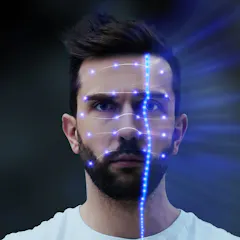
AI-generated attractiveness scores raise concerns about body image, privacy, child safety and coercive control.

Sensationalizing extreme behaviors like self-starvation and ‘bonesmashing’ rather than treating them as mental health symptoms can prevent boys and young men from getting much-needed care.

What are the risks of seemingly innocuous behaviours such as sharing posts, giving likes, making oneself look good in pictures, and, in general, interacting virtually rather than physically?

Our new study found watching just eight minutes of TikTok content focused on dieting, weight loss and exercise had an immediate negative effect on body image satisfaction for young women.

‘Body swapping’ may help people get a clearer idea of what their own bodies are really like.

A growing body of research points to links between social media use and mental health harms, but establishing clear cause and effect is difficult.

Skinfold tests were once a staple of AFL fitness assessments, but are now banned for junior athletes. Is this a sign footballers have ‘gone soft’, or is there good reason for it?

Taking selfies is a normal part of daily life for millions of social media users. But doing so while exercising at the gym can be harmful.

Greater body appreciation is also closely tied to other aspects of wellbeing, such as fewer symptoms of depression.

Around 28% of men struggle with their body image.
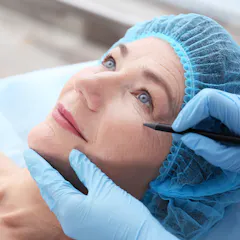
If you’re thinking of a breast augmentation, liposuction, or a face lift, this latest move is designed to provide extra protection. Here’s what you need to know ahead of surgery.

Can psychedelics assist in recovery from eating disorders? The findings are promising, but patients and doctors need to proceed with caution until there is additional and extensive research.

Research shows that social media, with it endless promotion of unrealistic standards of beauty, has had a negative impact on millions of young people.

Eating disorders in teens are common and dangerous, and parents and loved ones play a crucial role in helping to both identify concerning behaviors and promote healthy ones.
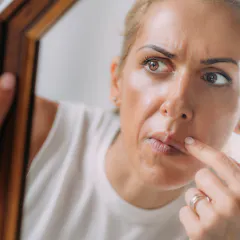
About a quarter of those with body dysmorphic disorder attempt suicide or struggle with ideas of suicide. Fortunately, medication and therapy have proved highly effective at treating the disorder.
Top contributors
-

Assistant Professor of Psychiatry, University of Colorado Anschutz
-
Senior Research Fellow in Public Health, The University of Queensland
-
Research Fellow in Public Health, The University of Queensland
-
Professor, Head of Body Image, Eating and Weight Disorders Research, Adelaide University
-
Communication Faculty Member, Colorado State University Global
-
Professor of Social Psychology, Anglia Ruskin University
-
Professor of Psychiatry and Clinician Scientist at the Centre for Addiction and Mental Health, University of Toronto
-
Senior Lecturer in Sports Nutrition, Deakin University
-
PhD, School of Psychological Sciences, The University of Melbourne
-
Senior lecturer in Psychology, Keele University
-
Senior Lecturer in Psychology and Associate Head of School, Charles Sturt University
-
Professor, Evolutionary Biology, Simon Fraser University
-
Research Assistant, Department of Biological Sciences, Simon Fraser University
-
Chartered Psychologist & Associate Professor of Digital Health & Wellbeing, Northumbria University, Newcastle
-
Clinical Social Worker, University of Michigan