
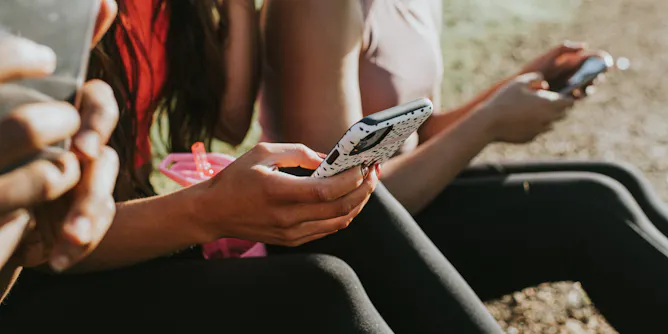
We asked 200 young New Zealand women about the body ideals they encountered online. Here’s what they said.
Articles on Body image problems
Displaying 1 - 20 of 34 articles

Seeing a loved one lose significant weight or struggle with eating and exercise can be concerning. Approaching a conversation with respect and care can avoid the harms of speculation and silence.
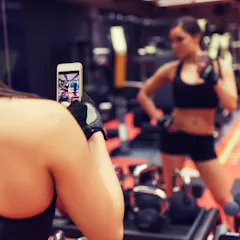
Taking selfies is a normal part of daily life for millions of social media users. But doing so while exercising at the gym can be harmful.
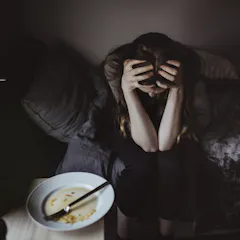
Many people with eating disorders die from suicide. Improving perception of internal body states, or interoception, can help everyone better care for their own bodies.
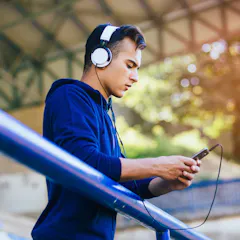
From ‘starvemaxxing’ and ‘edgemaxxing’ to ‘whitemaxxing’ – young men and boys are being bombarded with a plethora of problematic content online.

‘Body neutrality’ has sometimes been called the ‘middle ground’ between loving or hating your body.

Critics of body positivity say the movement is not as accepting of all bodies as it claims.
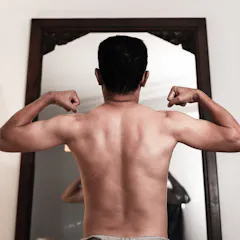
It’s estimated between 30-40% of men worry about their body image.
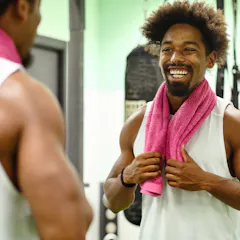
For many, the pandemic has disrupted daily habits around eating and fitness – which makes it a prime time to shake up old assumptions about achieving an ideal body.

Ample research demonstrates the harms Instagram causes teen girls, especially around body image. Meta is now facing the consequences of knowingly marketing a harmful service.

One in three Australians we surveyed had a new concern about their appearance since the pandemic began. But while minor cosmetic procedures might give some people a boost, for others it’s a bad idea.

After over a year of stress eating and seeing each other only through screens, anxiety over changes in physical appearance can make socializing again a daunting prospect.
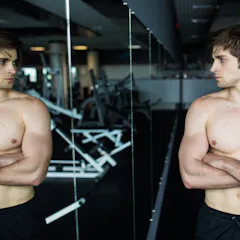
Social media and changing ideas about masculinity are making more and more young men believe their body is too small, skinny or insufficiently muscular.

Queer men’s comics are contributing to changing cultural narratives about what queer men’s bodies should be, and health researchers are taking note.
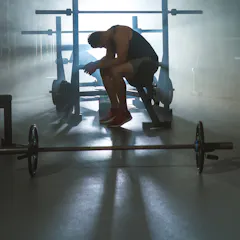
Men are feeling more and more pressure to get rid of their love handles and beer bellies – and heavy promotion of unrealistic appearance standards are to blame.
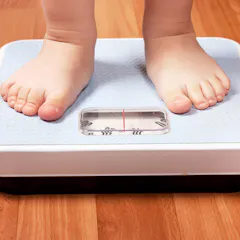
The proposal is very different to schemes in the US where BMI report cards are sent to parents. Instead, the data would feed into obesity research and prevention programs.
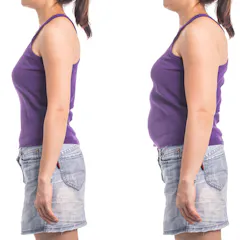
The much used before and after photograph to motivate weight loss might not be as motivational as was once thought.

People with facial difference often develop strategies for smoothing over social awkwardness, such as ways of introducing the issue into conversation early or using humour to deflect attention.
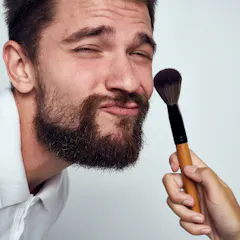
Male makeup is set to be the next big beauty trend, but what impact will this have on men’s self-esteem?

Are dating apps destroying men’s self-esteem?
Top contributors
-

Professor of Social Psychology, Anglia Ruskin University
-
Assistant Professor in the School of Social Sciences, University College Dublin
-
PhD candidate, School of Psychology, University of Sydney
-
Associate Professor in Health and Physical Education, Victoria University
-
Professor, Head of Body Image, Eating and Weight Disorders Research, Adelaide University
-
Associate Professor in Criminology, The University of Melbourne
-
Director Clinical Trials and Professor Cognitive Neuropsychiatry Centre for Mental Health and Brain Sciences, Swinburne University of Technology
-
Professor of Paediatric Plastic and Maxillofacial Surgery, The University of Melbourne
-
Senior Lecturer in Social Psychology, Manchester Metropolitan University
-
Professor in Psychology, Durham University
-
Adjunct Associate Professor, Australian Research Centre for Sex, Health & Society, La Trobe University
-
Professor in Marketing, ESCP Business School
-
Professor in Psychology, University of Liverpool
-
Research associate, Division of Health Research, Lancaster University
-
Adjunct Research Fellow, School of Psychological Sciences, Monash University