

The thriving market in online, counterfeit GLP-1 drugs that do not meet FDA criteria poses serious risks to consumers.
Articles on BMI
Displaying 1 - 20 of 62 articles

Men and women may now be as equally likely to match their attractiveness to their spouses’ income.

New research finds lowest risk of early death may not sit in the traditional healthy BMI range.

How does your neck size increase your risk of serious disease? A intriguing proposition and one that is discussed here.

Archimedes has the solution.

A larger body doesn’t necessarily mean you have ‘clinical obesity’, according to a proposed new definition of the disease.

It’s important to help our kids maintain a healthy weight. But sometimes well-intentioned interventions can cause more harm than good.

The Australian College of Nursing wants to see school nurses weigh students and measure their hight. The plan has sparked anger among health professionals and parents. But what do the experts say?

BRI quantifies body fat levels by looking at height and waist circumference.

A clinical psychologist who treats young people with eating disorders gives her verdict on changes to the Australian curriculum designed to prevent these mental health conditions developing.

The BMI does not distinguish between excess body fat, bone mass or musculature. It also does not interpret the distribution of fat, which is a predictor of health.

Obesity is out and ‘adipose-based chronic disease’ is in, according to a recent paper. But a name change alone won’t fix entrenched stigma.

Obese children outnumber underweight ones globally, and ‘social determinants’ in kids’ lived environments play a fundamental role. Obesity in kids can lead to a lifetime of poor health.

Body mass index was first invented in 1832.

Overreliance on BMI as a measure of weight and health has deepened inequities and led to inaccuracies and overgeneralizations.

The American Academy of Pediatrics has recently released new obesity management guidelines in order to help address the growing obesity crisis in children.

We wanted to find out if the risk of heart disease differs between obesity explained by genetic factors, and obesity mainly influenced by environmental factors, such as lifestyle.
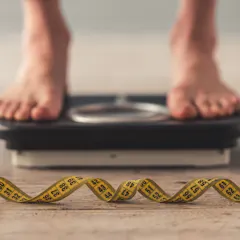
BMI was created to describe the average man in the 1800s. It shouldn’t be used to predict health.
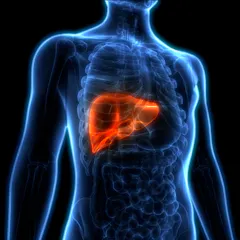
Non-alcoholic fatty liver disease is surprisingly common, affecting about one in four adults. Eating processed foods and sugary drinks can increase the risk of developing the disease.

Rates of obesity and eating disorders like anorexia and bulimia both surged among young people over the past two years. Scholars explain why, and how parents can support kids dealing with body shame.
Top contributors
-

Professor of Health Sciences, Adelaide University
-
Clinical Trials Director, Department of Endocrinology, RPA Hospital, University of Sydney
-
Assistant Professor of Pediatrics, University of Virginia
-
Assistant Professor of Pediatrics, University of Virginia
-
Associate Head of School (Teaching & Learning) team, Senior Lecturer and Discipline Lead in Human Movement Studies (Health and PE) and Creative Arts, Charles Sturt University
-
Adjunct Professor, Iverson Health Innovation Research Institute, Swinburne University of Technology
-
Evergreen Associate Professor of Counseling Psychology and Prevention Science, University of Oregon
-
Research fellow, Monash University
-
Associate Professor in Biology and Biomedical Science, Aston University
-
Evergreen Assistant Professor of Counseling Psychology and Human Services, University of Oregon
-
Evergreen Assistant Professor of Special Education and Clinical Sciences, University of Oregon
-
Associate Professor, Deakin University
-
Clinical Psychologist and Senior Lecturer in Psychology, University of Canberra
-
Associate Professor of Family Medicine, University of Michigan
-
Senior Research Fellow, School of Psychology, Deakin University