

Larger people were seen more negatively than slimmer people doing the same activities in this research.
Articles on Weight stigma
Displaying all articles
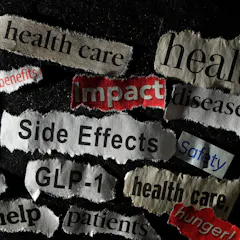
Stigma against weight loss drugs is driving some users to take them in secret.

Larger-bodied women report feeling humiliated and disrespected during their maternity care.

A larger body doesn’t necessarily mean you have ‘clinical obesity’, according to a proposed new definition of the disease.

Many have declared drugs like Ozempic could ‘end obesity’. This isn’t just untrue – it also perpetuates fat stigma.

A clinical psychologist who treats young people with eating disorders gives her verdict on changes to the Australian curriculum designed to prevent these mental health conditions developing.

Research shows that focusing strictly on weight loss is not only ineffective in the long term, it can even be harmful and counterproductive.
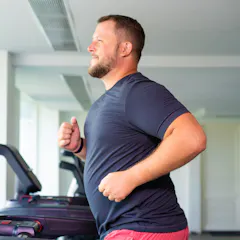
Ads for targeted fat loss, especially
for belly fat, are everywhere on social media. But is there any evidence to support this type of ‘spot reduction’?

Despite the prevalent view that people with large bodies should simply eat less and move more, it’s nearly impossible to fight our genetic heritage or other factors that are not within our control.

The American Academy of Pediatrics has recently released new obesity management guidelines in order to help address the growing obesity crisis in children.
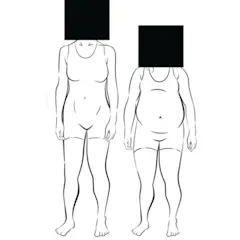
While excess weight arises from a complex interplay of genes, environment, diet and activity, new research finds Americans hold parents responsible for excess weight in their kids.

Taxation of sugar-sweetened drinks is not only inequitable, but also has the potential to create or perpetuate weight stigma, which has negative effects on mental and physical health.

Rates of obesity and eating disorders like anorexia and bulimia both surged among young people over the past two years. Scholars explain why, and how parents can support kids dealing with body shame.

A study of over 1,000 children in rural Oklahoma found that social and emotional health may be just as important as diet and exercise in reducing child obesity.

Weight discrimination, like teasing, is common among youth and linked to eating disorders and depression. Youth’s health and well-being would be best supported by not focusing on their weight.

Negative attitudes about people with larger body sizes or higher weight are consistent across Australia, Canada, France, Germany, the UK and the US.
Top contributors
-

Professor in Human Development and Family Science, Oklahoma State University
-
Evergreen Assistant Professor of Special Education and Clinical Sciences, University of Oregon
-
Senior Lecturer in Food and Nutrition, Sheffield Hallam University
-
Evergreen Assistant Professor of Counseling Psychology and Human Services, University of Oregon
-
Professor of Human Development and Family Science, Oklahoma State University
-
Evergreen Associate Professor of Counseling Psychology and Prevention Science, University of Oregon
-
Associate professor, Department of Sociology, University of New Brunswick
-
Senior Lecturer, Nutrition and Food Science, Australian Catholic University
-
Clinical Trials Director, Department of Endocrinology, RPA Hospital, University of Sydney
-
Adjunct professor, Department of Medicine, McMaster University
-
Professor of Human Development and Family Sciences and Deputy Director, UConn Rudd Center for Food Policy and Obesity, University of Connecticut
-
Assistant Professor of Nutritional Epidemiology, University of Manitoba
-
2023 California Health Equity Fellow, University of Southern California
-
Associate Professor of Psychology, University of California, Los Angeles
-
Assistant Professor of Pediatrics, University of Virginia