
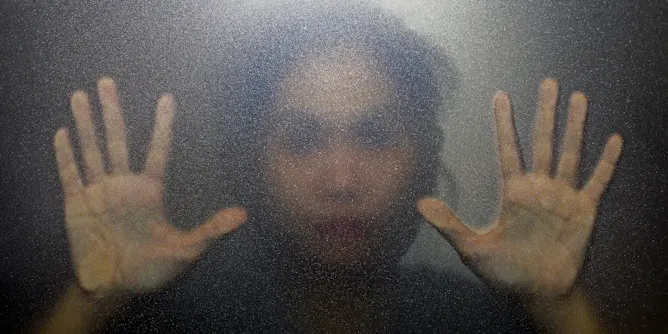
A cultural collaboration with deafblind people led to the development of a high-tech device to help navigate their world post-lockdown
Articles on Blindness
Displaying 21 - 40 of 84 articles
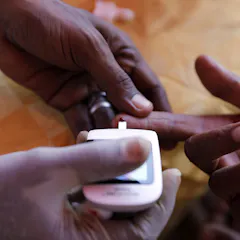
Targets for diabetes would improve healthy lives, reduce deaths, and be cost effective. But they should not be for managing diabetes alone; they must include treating hypertension.

We should remember him as just another ordinary human being who did extraordinary things.
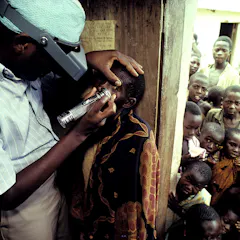
The Gambia’s success in eliminating trachoma means that resources previously allocated to combating the disease can now be reallocated to other public health conditions
Age-related macular degeneration (AMD) lives up to its name: Its prevalence increases with age and it is the leading cause of blindness in people over 65 years old.

A curious kid asks: what do blind people experience in their dreams?
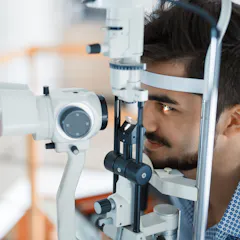
Diabetes-related eye disease affects more than one in three people with diabetes. But it doesn’t have to turn into vision loss and blindness.

Perception is multisensory.
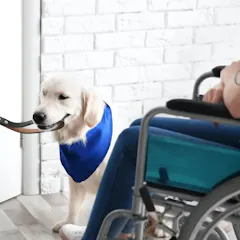
There is an increase in physical and psychological barriers to accessibility for service dog users in the COVID-19 era. However, solutions exist.
After nearly 30 years of advocacy, audio description services have finally arrived on the ABC and SBS.
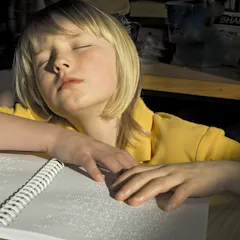
Strategies to cure various types of blindness are looking more plausible after a series of recent breakthroughs using gene editing and gene therapy.
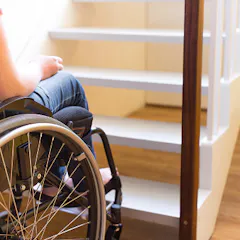
Airbnb’s platform perpetuates the social exclusion of people with disabilities, while the 30-year-old ADA doesn’t apply to the sharing economy.
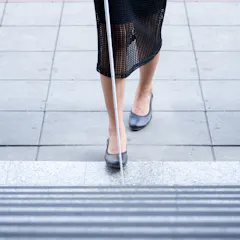
How do you maintain social distancing when you can’t see?
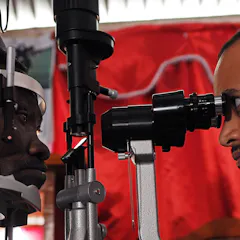
Knowing genetic associations in specific populations will make it possible to focus prevention and treatment on those who will benefit most, sparing expense and side effects from those who will not.
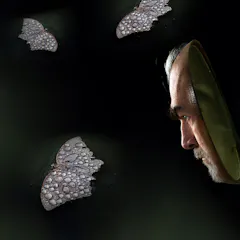
Charles Bonnet syndrome refers to visual hallucinations in people with acquired vision loss, and symptoms can last for many years.
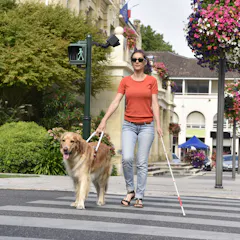
As part of their training, a guide dog will practise getting around some of the most common places the person they will guide needs to go.

Gene therapy trials for inherited retinal diseases are blossoming. Blind and partially sighted people are helping to advance the research.
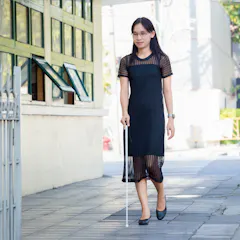
People who are blind have made great strides in the workplace in the 55 years since the US first observed White Cane Day. Yet discrimination in employment still remains, two experts explain.

New multisensory approaches to presenting visual art propose solutions to barriers that limit access for marginalized audiences.

Connected technology could help the visually impaired to recognise people, places or even bank notes.
Top contributors
-

Clinical Associate Lecturer, University of Sydney
-
Professeur Titulaire. École d'optométrie. Expertise en santé oculaire et usage des lentilles cornéennes spécialisées, Université de Montréal
-
Postdoctoral Research Fellow, UniSA Creative, Adelaide University
-
Professor of Psychology, University of Washington
-
Professor of Disability Studies and Interdisciplinarity, Liverpool Hope University
-
Professor, Queensland University of Technology
-
Lecturer in Ophthalmology, University of the Witwatersrand
-
Hugh Taylor is a Friend of The Conversation.
Melbourne Laureate Professor, Harold Mitchell Chair of Indigenous Eye Health, Melbourne School of Population and Global Health, The University of Melbourne
-
Research Professor of Rehabilitation Education and Research, Mississippi State University
-
Research Associate, University of Bath
-
Academic Specialist, The University of Melbourne
-
Research Fellow, Intellectual Property and Innovation Law Research Program, Queensland University of Technology
-
Research Fellow at National Centre for Epidemiology and Population Health, Australian National University
-
Reader in Neuroprosthesis, Newcastle University
-
Lecturer in Education, University of Bath