
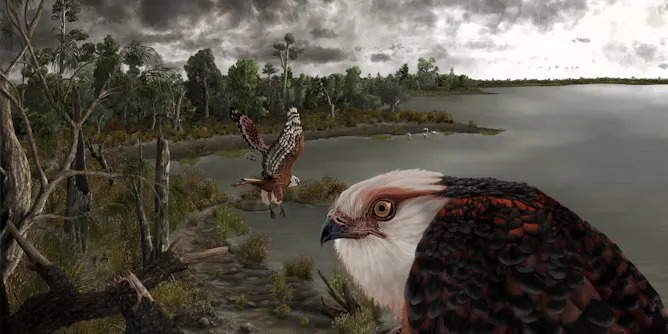
Archaehierax sylvestris, whose remains have been unearthed in the arid South Australian outback, was the apex predator in a lush prehistoric forest filled with marsupials and waterfowl.
Articles on Birds
Displaying 281 - 300 of 646 articles
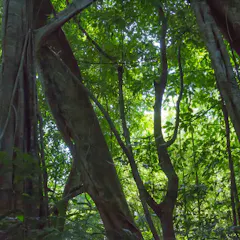
About 60% of Mexico’s forests are managed by local communities. A scholar who has studied the forests for 30 years explains how this system protects the forests and the people who oversee them.

‘Shape shifting’ animals are evolving to deal with heat – by changing the size of their ears, tails, bills and other appendages.
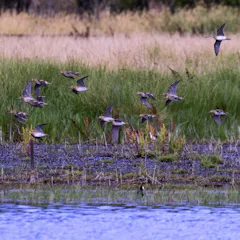
Imagine flying for five days straight, arriving at your destination emaciated and exhausted, only to find your habitat has disappeared. Such is the plight of the Latham’s Snipe.
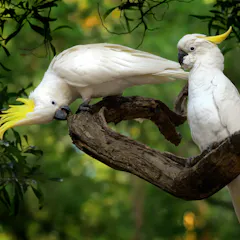
Spring is rapidly approaching and many birds are hunting for the best nesting sites. Competition is fierce — especially for species that nest in tree hollows.
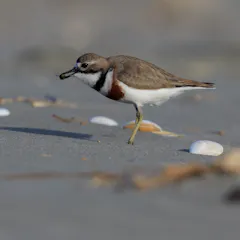
From the archive: using misinformation to fool predators into leaving bird nests alone. Listen to The Conversation Weekly podcast.
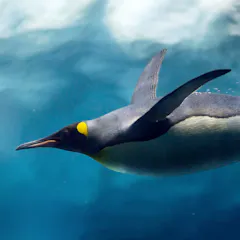
They can’t fly through the air but they can fly underwater.

“Will it become a wood again, how long will it take, which species will be in it?”
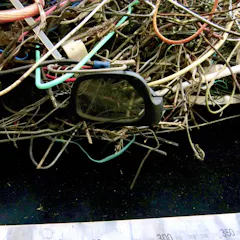
A world-first study inspected 900 bird nest specimens from 1823 to 2018. The types of debris the birds use reflect changes in Australian society over time.
Ecology is dominated by colonial notions and knowledge that doesn’t consider local knowledge. This needs to change.
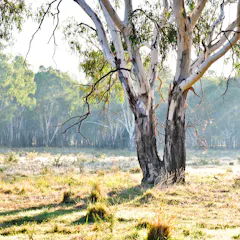
Enabling wildlife to journey across farmlands not only benefits conservation, but also people. It means bees can improve crop pollination, and seed-dispersing birds can help restore ecosystems.
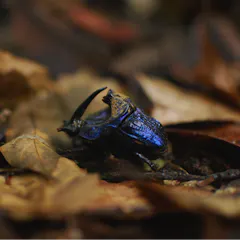
We know surprisingly little about the millions of animals, plants and birds that live in the Amazon – here’s how we can understand them better.

Testing whether the birds react to sleight of hand helps us understand if they see the world like we do.
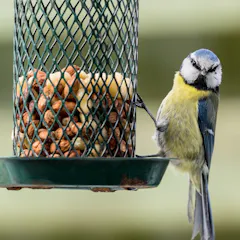
Eating bird food was also linked to a nearly four-fold increase in their breeding densities.
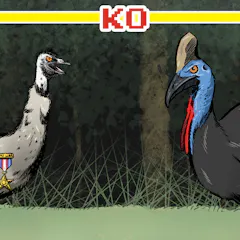
These hefty dinosaur birds stand as tall as humans, enough to dissuade most from getting too close. But how would they fare against each other in a fight? A wildlife expert places her bet.

We used drones to track the way terns forage around offshore energy structures.
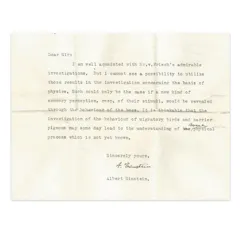
We first encountered the letter in 2019, when a reader shared it with us. In it, Einstein discusses bees, birds and whether new physics principles could come from studying animal senses.

Nairobi harbours all the ingredients for zoonotic spillover to occur between animals and people, particularly in the most densely populated areas of the city.
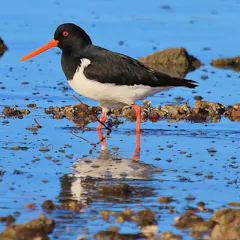
When scientists first thought to deceive predators with bird smells, the idea seemed crazy. But after seeing how fake news messes with the minds of both humans and animals, it now makes sense.

An ecologist describes her field research and work on the impact of human activity on birds and their pathogens, which has taken her from Alaska to the Gulf of Guinea.
Top contributors
-

Professor of Avian Behavioural Ecology, Macquarie University
-
Professor of Conservation and Sustainable Livelihoods, Charles Darwin University
-
Emeritus Professor in Animal Behaviour, University of New England
-
Professor of Conservation Biology, Charles Darwin University
-
Postdoctoral Fellow, Australian National University
-
Senior Research Scientist, South Australian Museum; Flinders University
-
Professor in Conservation Science, School of the Environment, The University of Queensland
-
Researcher, School of Life and Environmental Sciences, Deakin University
-
Distinguished Professor of Ecology, Fenner School of Environment and Society, Australian National University
-
Associate Professor, FitzPatrick Institute of African Ornithology, University of Cape Town
-
Adjunct Lecturer/ Ecologist, University of New England
-
Professor of Environmental Management, The University of Queensland
-
Associate Professor in Vertebrate Palaeontology, Flinders University
-
Reader in Ecology and Conservation Biology, Manchester Metropolitan University
-
Professor of Evolutionary and Conservation Biology, Australian National University