
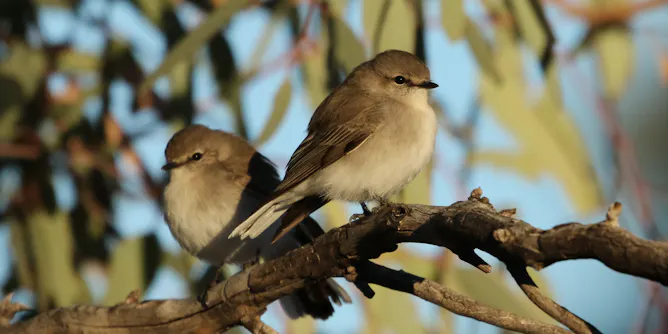
The findings underscore the urgent need to both reduce greenhouse gas emissions, and help animals find cool places to shelter.
Articles on Birds
Displaying 221 - 240 of 646 articles
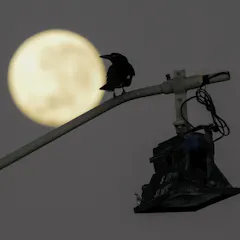
A new book explores how birds have adapted to our cities - from nesting in skyscrapers to snatching food - reflecting on the beauty and wildness they bring to urban landscapes.
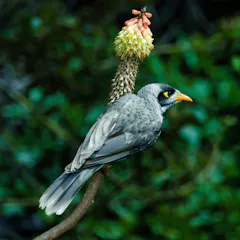
Our study found it wasn’t cafes with access to sugar-rich food that led to more miner aggression. In fact, gardens were where we recorded the highest amount of aggressive behaviour.
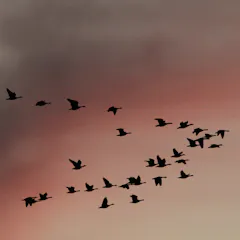
Satellite telemetry, tiny geolocation tags and passive acoustic recording are providing new insights into bird migration and vital data for conservation.
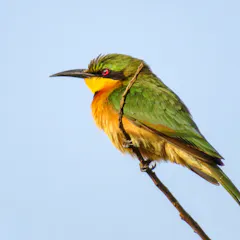
Monitoring bird population trends in Nigeria is a valuable activity – but it requires trained people and commitment over the long term.

I watched little ravens line their nests with messmate stringy bark last spring. Here’s what birds might seek your garden trees this year.
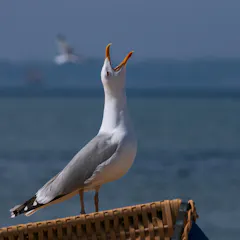
Gulls have a reputation for being the bad boys of the seaside.
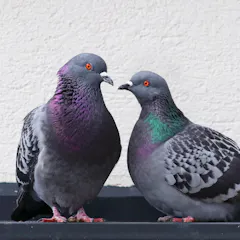
Pigeons simply don’t deserve the bad press they get.
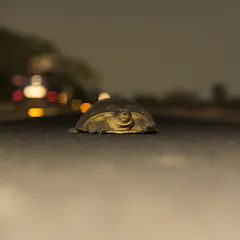
While artificially illuminating the night allows humans to make use of the the night, in doing so we catastrophically change the environment for all other species. How can we fix this?
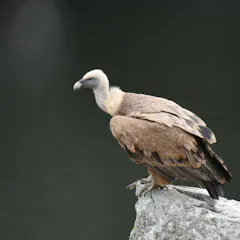
The identification of a vulture that lived more than 50,000 years ago is shedding more light on biodiversity loss and ecosystem change in Australia.
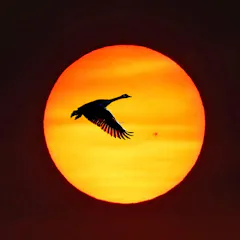
If you’re hot, so are your four-legged neighbours.

Trees were already known for cooling and cleaning the air of cities. A Europe-wide, participative science project shows how much their density matters for urban biodiversity.

Many people can’t get by without the buzz from their daily coffee habit.

The common eider nests in colonies on islands of the St. Lawrence estuary. The down that the female duck takes to fill her nest has exceptional insulating properties.
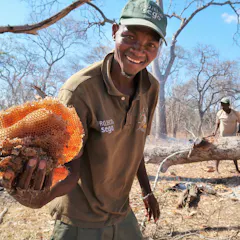
Cooperating with honeyguides has been found to increase food security. It facilitates cultural traditions and enables income or trade.

Noise created by the oil industry impacts songbirds. Research found that constant noises, like those produced by oil wells, are less disruptive than the shorter bursts of noise produced by drilling.
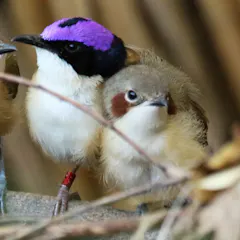
Exposure to hot and dry conditions can damage the DNA of nestling birds in their first few days of life – meaning they age earlier and produce less offspring.

Without successful breeding, the hornbill population will not survive, and will quickly become locally extinct.
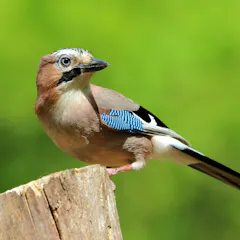
Want to understand your local environment better? Look to the birds.
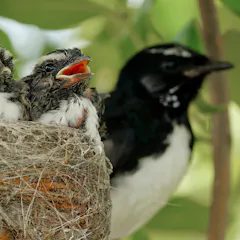
Somehow, female birds manage to hold their families together despite predators, harsh conditions and sometimes, a less-than-attentive partner.
Top contributors
-

Professor of Avian Behavioural Ecology, Macquarie University
-
Professor of Conservation and Sustainable Livelihoods, Charles Darwin University
-
Emeritus Professor in Animal Behaviour, University of New England
-
Professor of Conservation Biology, Charles Darwin University
-
Postdoctoral Fellow, Australian National University
-
Senior Research Scientist, South Australian Museum; Flinders University
-
Professor in Conservation Science, School of the Environment, The University of Queensland
-
Researcher, School of Life and Environmental Sciences, Deakin University
-
Distinguished Professor of Ecology, Fenner School of Environment and Society, Australian National University
-
Associate Professor, FitzPatrick Institute of African Ornithology, University of Cape Town
-
Adjunct Lecturer/ Ecologist, University of New England
-
Professor of Environmental Management, The University of Queensland
-
Associate Professor in Vertebrate Palaeontology, Flinders University
-
Reader in Ecology and Conservation Biology, Manchester Metropolitan University
-
Professor of Evolutionary and Conservation Biology, Australian National University