

Blood isn’t sterile, and analyzing the bacteria in it could help assess the health of fish and prevent the collapse of their populations.
Articles on Biomarkers
Displaying 21 - 40 of 53 articles
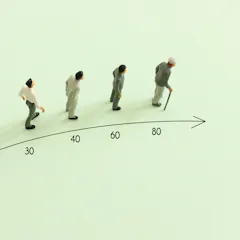
Why we should all try to be biologically younger.
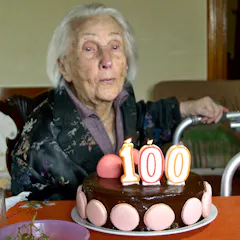
Centenarians tend to have lower levels of glucose, creatinine and uric acid from their sixties onwards.
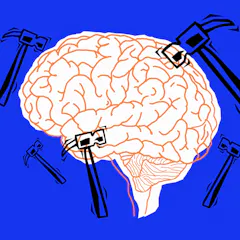
Pain has long been subjectively measured, leading to frustrations for patients and doctors alike. Identifying neural biomarkers of pain could improve diagnosis and lead to better treatments of chronic pain conditions.

Aging is a major risk factor for many chronic diseases. Figuring out what influences longevity and how to identify rapid agers could lead to healthier and longer lives for more people.
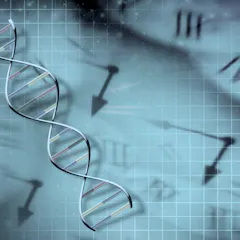
People don’t all age at the same rate. Untangling the factors that influence health and disease – such as epigenetics, demographics and behavior – could lead to better care for those who need it most.

Our study found that low levels of INSL3 hormone were associated with greater risk of cardiovascular disease, diabetes and frailty in men.

Chemicals are omnipresent in our lives and production is booming, yet we know little about their impacts on human health. To fill the gap, the EU has launched a series of biomonitoring initiatives.

Exposure to hot and dry conditions can damage the DNA of nestling birds in their first few days of life – meaning they age earlier and produce less offspring.
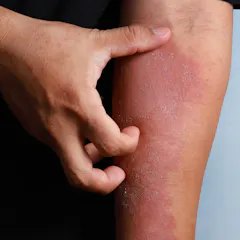
Many doctors currently diagnose skin conditions by eye. Advances in molecular testing could lead to more precise and accurate diagnoses for ambiguous rashes and skin lesions.
A new study shows connections between genetics, biomarkers in the blood, and mental disorders - opening new avenues to understand the causes of mental illness and find new treatments.
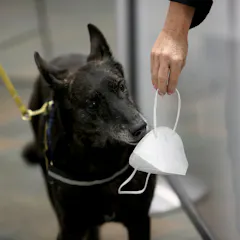
Dogs have such sensitive noses that they can be trained to detect the odors of crop pests, endangered species, illegal drugs – and diseases like COVID-19.
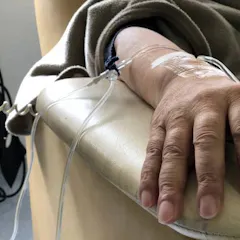
Fat cells and cancer cells talk to each other. Specialists in both systems can do the same.
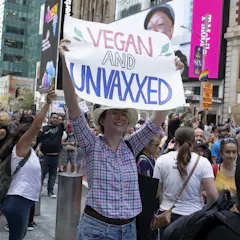
A growing body of research shows that nutrition, sleep, exercise and a host of other lifestyle choices can help optimize the immune system. But they are no substitute for life-saving vaccines.

DNA testing for cocoa beans could fight slavery and child labour.
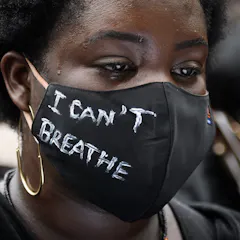
A study of 800 Black American families shows early experiences of racism have long-term consequences for physical and mental health.
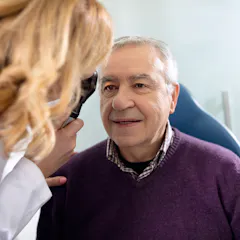
Parkinson’s disease may be diagnosed by looking for subtle changes in eye movements and thinning of retina layers.

Fitness information like resting heart rate collected by wearable devices can’t diagnose diseases, but it can signal when something is wrong. That can be enough to prompt a COVID-19 test.

We need to change diagnosis of ovarian cancer from late stage to early - scientists make steps

Research shows that ketamine can produce long-term reductions in symptoms of treatment-resistant depression.
Top contributors
-

Assistant Research Scientist in Data Science and Microbiology, University of Florida
-
Professor Emeritus of Biomedical and Clinical Sciences, Linköping University
-
Professor and Chair of Microbiology and Cell Science, University of Florida
-
Senior Lecturer and Associate Professor in Biology, Evolutionary Ecology unit, Lund University
-
Reader in Biomedical Sciences, University of Hull
-
Professor of Biostatistics and Director of the Birmingham Clinical Trials Unit, University of Birmingham
-
Lecturer, Aston University
-
Ph.D. Student, Michigan State University
-
Associate Professor of Marine Biology and Director of Centre for Marine Biodiversity and Biotechnology, Heriot-Watt University
-
Lecturer in Biomedical Science, Lancaster University
-
Ph.D. Student, Michigan State University
-
Researcher, Birla Institute of Technology and Science
-
Post Doctoral Research Fellow in Melanoma, Edith Cowan University
-
Assistant Professor of Nursing and Human Genetics, University of Pittsburgh
-
Chief Executive Officer, Cooperative Research Centre for Mental Health