

TikTok has turned a blood test into the latest beauty hack. Here’s what low iron can really do to your skin, and what it can’t.
Articles on Blood test
Displaying 1 - 20 of 43 articles

Could new tests shorten the long road to an endometriosis diagnosis? The promise is compelling, but the evidence is not there yet.
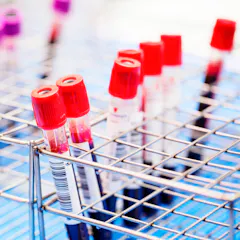
New blood tests for Alzheimer’s won’t give you an instant diagnosis. Here’s what they’ll tell you instead.
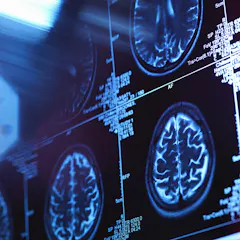
Studying middle-aged populations is important to understanding what Alzheimer’s disease looks like in the earliest stages, to make preventive measures more effective.

These tests could aid with early detection of the disease or identify at-risk people.
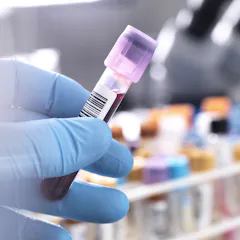
Diagnosis for myalgic encephalomyelitis/chronic fatigue syndrome currently relies on sometimes controversial diagnostic criteria – and can take years.
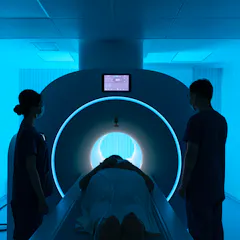
One big risk is overdiagnosis: the more you test, the more you’ll find. Much of this may be clinically irrelevant, meaning unnecessary follow-ups, costs and anxiety.
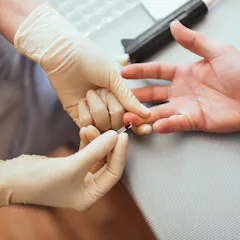
Biotech startup Haemanthus says it can detect illnesses with tiny amounts of blood, urine and saliva. Here’s why that’s more difficult than it sounds.
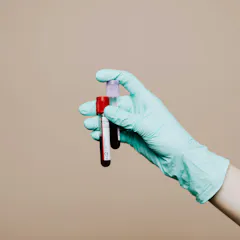
In most cases, leftover pathology samples are thrown away. Sometimes though, they may be used again for other purposes, including research.
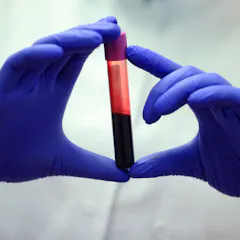
A narrower, more personalized ‘normal range’ could help doctors better diagnose and treat disease in individual patients.
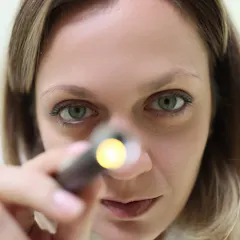
Your GP shines a light in your eyes, orders a blood test and requests some medical imaging. All rely on light to help diagnose disease.

Taking your supplement at the right time of day and with certain foods can boost how your body absorbs the iron.
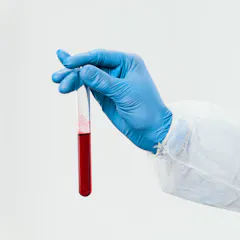
Using menstrual blood as a diagnostic tool may be hailed as a recent innovation but it has a surprisingly long history.
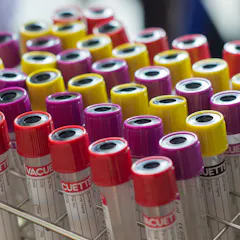
Here’s how we design a fairer pathology system, fit for the 21st century, with no out-of-pocket costs or the public.
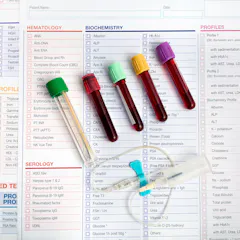
Your blood contains a wealth of information about the state of your health. Analyzing the levels of each component is an important part of diagnosis.

For the majority of patients, blood collections are not a problem, just a minor inconvenience. Others may feel uneasy and anxious about the process.
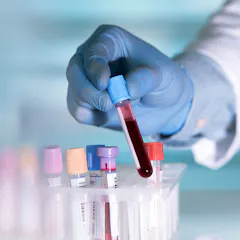
These blood tests results need care when interpreting, and they can not they predict how the disease will affect each person.
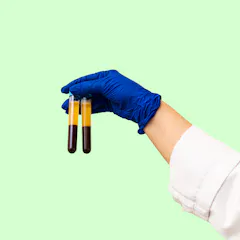
Lab testing provides doctors with essential information to help them diagnose and treat disease. Here’s what happens behind the scenes after you roll up your sleeve for a blood draw.

Multicancer early detection tests are among the priorities of the Biden administration’s Cancer Moonshot. The tests show promise, but questions remain about when and how to use them.

Your blood can hold a record of past illnesses. That information can reveal how many people have had a certain infection – like 58% of Americans having had COVID-19 by the end of February 2022.
Top contributors
-

Honorary Enterprise Professor, School of Population and Global Health, and Department of General Practice and Primary Care, The University of Melbourne
-
Research Fellow in Neuroimmunology, UCL
-
Associate Professor, School of Law, University of Canberra
-
Associate Professor of Public Health, William Paterson University
-
Post Doctoral Research Fellow in Melanoma, Edith Cowan University
-
Professor of Bioinformatics, Nottingham Trent University
-
Professor of Public Health, Bond University
-
Laureate Professor in Nutrition and Dietetics, University of Newcastle
-
Professor of Clinical Epidemiology, Bond University
-
Professor, Edith Cowan University
-
Clinical Lecturer, University of Cambridge
-
Professor of Clinical Neuropsychology, University of Cambridge
-
Associate Professor, WEHI (Walter and Eliza Hall Institute of Medical Research)
-
Research fellow, Kenya Medical Research Institute
-
Professor, Public Service Research, UNSW