

Nowhere is safe from forever chemical pollution – not even the middle of the ocean. PFAS levels are on the rise in the world’s whales and dolphins.
Articles on Bioaccumulation
Displaying all articles
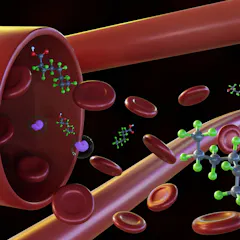
Your body likely contains an accumulation of various PFAS types, making it difficult to trace them to their sources.
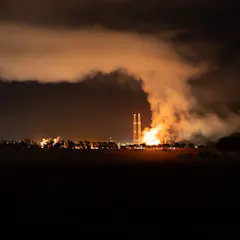
The Moss Landing battery fire became an unintended experiment – showing how burning lithium-ion cells scattered nickel, cobalt and manganese over a protected marsh.
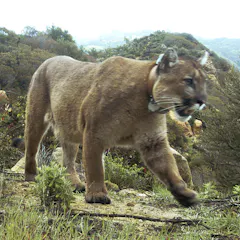
Modern rodenticides can kill rats with a single dose and readily pass up the food chain to larger carnivores. They are widely used and largely unregulated.
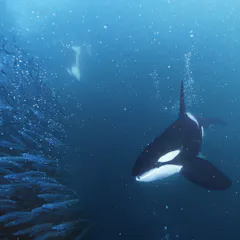
The accumulation of synthetic pollutants found in the blubber of killer whales is impacting the marine mammals’ health. Urgent action is needed to tackle the issue.
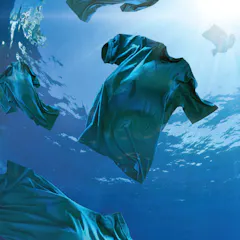
Polylactic acid – a popular bioplastic – does not readily break down when released into the ocean, and could disrupt marine ecosystems

PFAS are chemicals used in cosmetics and personal care products that can persist in the environment for a very long time. New regulations seek to ban PFAS, but Canada needs to take further actions.
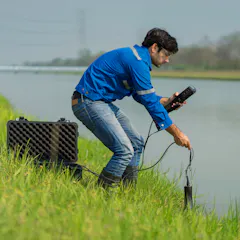
Toxic synthetic chemicals, called PFAS, are a serious threat to humans and wildlife – but many people are unaware of them.

Mercury is a neurotoxic metal that can cause irreparable harm to human health – especially the brain development of young children. A scientist explains how it gets from power plants to fish to you.
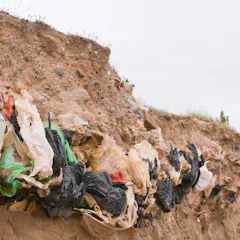
Killer whales among the animals at risk from a ‘second wave’ of pollutants, as coasts erode and sea levels rise.
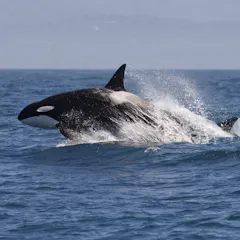
PCBs were phased out three decades ago. But they’re still lingering in the ocean.
Top contributors
-

Professor of Marine Geology, San José State University
-
Professor in Environmental Chemistry, Lancaster University
-
Associate Professor in Materials and Environmental Innovation, University of Portsmouth
-
Associate professor, Carleton University
-
Associate professor, University of Portsmouth
-
Principal Research Fellow in Biogeochemistry and Environmental Pollution, University of Portsmouth
-
Professor of Earth Sciences and Executive Director, Environmental Resilience Institute, Indiana University
-
Professor of Water Science, Liverpool John Moores University
-
Postdoctoral Fellow, Department of Biological Sciences, Simon Fraser University
-
Professor of Biology, University of Portsmouth
-
Professor of Environmental Geochemistry, Queen Mary University of London
-
PhD Candidate in Wildlife and Fisheries Biology, Clemson University
-
Associate Professor of Chemistry, Carnegie Mellon University
-
Lecturer in Biological Sciences, University of Wollongong
-
Senior Lecturer in Ecology and Biogeography, Node & Stream Leader for ARC Centre of Excellence for Indigenous and Environmental Histories and Futures, University of Technology Sydney; Australian Museum