
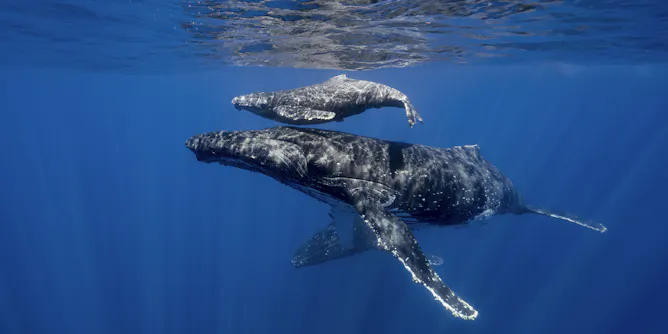
Our latest study takes a closer look at the emotional lives of humpback whales.
Articles on Killer whales
Displaying all articles
Public and political conversations about environmental management often reduce complex issues to binary opposing opinions.
For the first time, orcas have been seen making and using tools out of seaweed. The reason? Most likely as a form of social grooming.
The accumulation of synthetic pollutants found in the blubber of killer whales is impacting the marine mammals’ health. Urgent action is needed to tackle the issue.
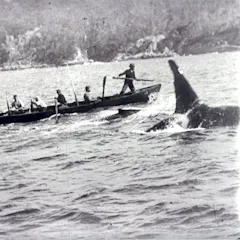
On New South Wales’ southern coast, First Nations groups and European whalers hunted alongside orcas. But what happened to this unusual group?
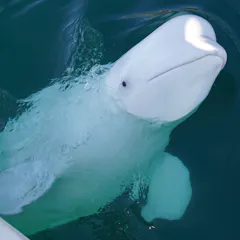
Unusual human-wildlife interactions raise questions about managing the risks. What’s driving these wacky whale antics? How and when should we intervene?
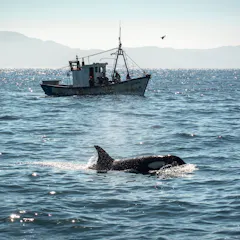
Orcas appear to be imitating the behaviour of one in particular by damaging sailboat rudders.

By analyzing small samples of killer whale fat, scientists can learn about the diets of different killer whale populations. This has implications for our understanding of changing ecosystems.

Women live longer than men, yet they cease reproductive life earlier than men because of the menopause. Why this apparent contradiction?
CC BY-NC-ND13.6 MB (download)
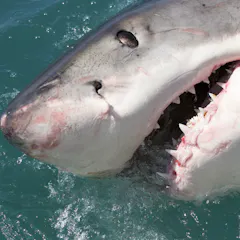
A pair of killer whales are hunting and preying on South Africa's great white sharks, forcing the sharks to flee.
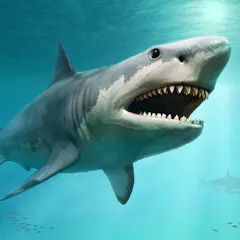
A terrifying sight in ancient waters, the megalodon shark was once the most feared creature in the sea.

Whale species at higher risk of predation from killer whales are more adversely affected by the sound of sonar.
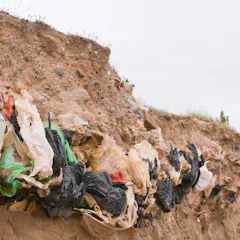
Killer whales among the animals at risk from a ‘second wave’ of pollutants, as coasts erode and sea levels rise.
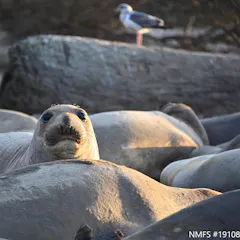
By measuring how and when elephant seals sleep, researchers were able to figure out how elephant seals change their risk-taking behavior as they gain weight.
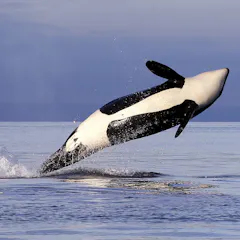
Scientists had been uncertain about why killer whales are dying in the northeastern Pacific Ocean. A new study takes an in-depth look and provides the tools to help prevent additional deaths in the future.

Regulations have lowered mercury emissions globally, but the risks to ocean ecosystems and human health may be getting worse.
Top contributors
-

Postdoctoral Fellow, Department of Biological Sciences, Simon Fraser University
-
Whale Scientist and Lecturer, Faculty of Science and Engineering, Macquarie University
-
Traditional knowledge holder, Indigenous Knowledge
-
Reader in Biology, University of St Andrews
-
PhD Candidate in Ecology and Evolutionary Biology, University of California, Santa Cruz
-
Wildlife Veterinarian and Science Director, The SeaDoc Society, University of California, Davis
-
Professor of Biology, University of St Andrews
-
Executive Dean of the College of Arts, Sciences & Education and Professor of Biological Sciences, Florida International University
-
PhD Candidate, Flinders University
-
Directrice de recherche en Bioacoustique à l'UMRAE, Cerema
-
Research fellow, University of St Andrews
-
Professor of Biology, University of Portsmouth
-
Assistant Professor of Ecology and Evolutionary Biology, University of California, Santa Cruz
-
Adjunct professor, Veterinary Pathology, University of British Columbia
-
Marine biologist, Rhodes University