

Liver harm caused by alcohol is a public health problem. Collectively, we need to take better care of our livers by taking steps to reduce alcohol consumption in the population.
Articles on Binge drinking
Displaying 1 - 20 of 71 articles

Current treatments for alcohol abuse are limited in their effectiveness and come with side effects. Precisely targeting the neurons involved in binge drinking could lead to better options.

Research shows the fear of missing out on a good time while drinking usually outweighs any concerns young adults have about doing something they might regret.

Plenty of North Koreans drink, but their leader has now branded excessive alcohol consumption a breach of party discipline.

The government linked alcohol with seven types of cancers, prompting the US surgeon general to call for warning labels on beer, wine and liquor.

A type of irregular heartbeat is common over the festive season. Here’s what you need to know if you’ve had a few drinks.

The morning after might fill you with dread and panic. Your brain is trying to rebalance the chemicals that made you feel relaxed when you were drinking – and you’re probably dehydrated too.

The brain finishes maturing at age 25-30, but most teenagers start drinking at just 14.

Singer Amy Winehouse died from alcohol toxicity in 2011, the same year that the American Society of Addiction Medicine publicly recognized addiction as a brain disorder.
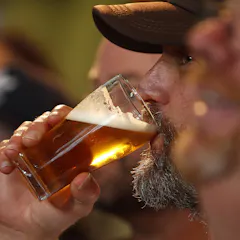
Some 17,000 people told us exactly how much they drank, smoked and used illicit drugs. Here’s a unique snapshot of Australians’ vices.
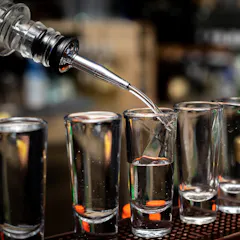
Teen drinking has not declined in the years since China banned underage drinking. Better enforcement and changes in attitudes to alcohol are needed.

The study found that people were more likely to binge drink on the days they were in a good mood.

Cutting down on alcohol consumption before pregnancy can benefit the health of both men, women and their baby.

Students who play sport drink more heavily and frequently than other students.

New research suggests senior athletes use binge drinking culture to display dominance over novices.

The number of deaths related to alcohol use in the US grew by a staggering 25% between 2019 and 2020, the first year of the COVID-19 pandemic.

Adolescent alcohol consumption is driven by several factors such as the availability of alcohol and social norms.
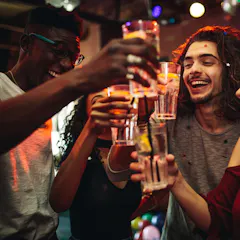
Researchers have identified four main reasons young people in high-income countries are drinking less.

Cancelling campus events won’t address the potential harms of binge drinking this fall. Universities must plan additional activities to curb risky alcohol use and promote student wellness.

The growing popularity of #winemom and its portrayal on social media. Is it humour and empowerment or binge drinking and mental health challenges?
Top contributors
-

Associate Professor of Medicine, University of Florida
-
Associate Professor of Behavioral and Community Health Sciences, University of Pittsburgh
-
Professor of Alcohol Policy, Sheffield Alcohol Research Group, University of Sheffield
-
Senior Researcher, Cardiff Metropolitan University
-
Assistant Professor of Biology, Biomedical Engineering and Pharmacology, Penn State
-
Professor, National Drug Research Institute, Curtin University
-
Senior Research Fellow and Deputy Director, Centre for Alcohol Policy Research, La Trobe University
-
Associate Professor, National Drug Research Institute, Curtin University
-
Honorary Fellow, Department of Health Sciences, University of York
-
Professor / Lead Substance use research group, Glasgow Caledonian University
-
Professor of Psychology, University of Liverpool
-
Professor of Lifecourse Epidemiology, UCL
-
Director, Violence and Society Research Group and Professor of Surgery, Cardiff University
-
Professor, The Matilda Centre for Research in Mental Health and Substance Use, University of Sydney
-
Director, Master of Business Administration Program (MBA); Co-Director, Better Consumption Lab, Deakin University