

A pilot scheme reintroducing beavers has created a green, wet corridor which could be valuable during hot, dry summers.
Articles on Beavers
Displaying 1 - 20 of 23 articles

The abrupt disappearance of a lake is one clear sign that the ice below is melting, and a clue to wider permafrost changes.

As our climate warms, beavers are appearing sooner and moving northward. This could have implications for the environment and human infrastructure.
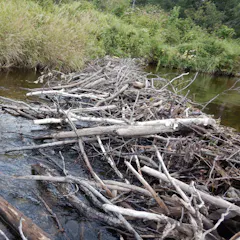
Beaver dams play a key role in the ecosystem but are often considered dangerous, even though they have a limited impact on flooding downstream.
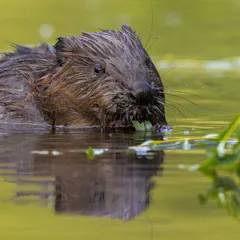
As beavers reshape rivers, wetlands become a natural storage system for carbon.
A massive rewilding project in Ukraine is proving helpful for the wellbeing of veterans as well as helping large natural areas recover.

The National Park Service is not just focused on helping people enjoy the outdoors, but also on conserving wild places.

Their dams will help soak up some carbon, but the real benefit will be to stressed ecosystems.
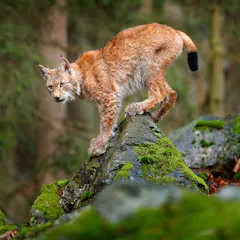
Guerrilla rewilders want to atone for past extinctions and create more vibrant ecosystems.
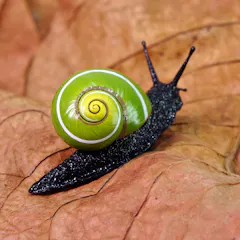
Although animals can’t use human language, art is beyond words. As Edward Hopper wrote, ‘If I could say it in words there would be no reason to paint.’
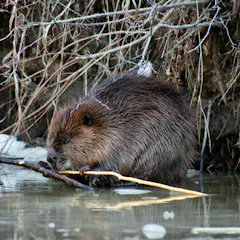
When it comes to equitable and sustainable infrastructure, we can learn a lot from beaver dams — according to both traditional Indigenous oral history as well as NASA researchers.
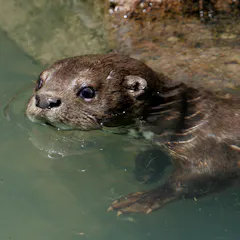
The bottoms of boats and docks can accumulate lots of dirt, but semiaquatic animals like otters avoid having ‘fouled’ fur. Their secret could one day help keep underwater infrastructure clean.
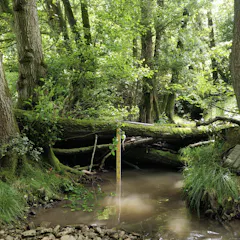
A new study shows that river barriers, similar to those built by beavers, can protect areas at risk of flooding by storing water upstream.

Our lives are intertwined with animals, insects and birds – we should consider them more when we design our cities.
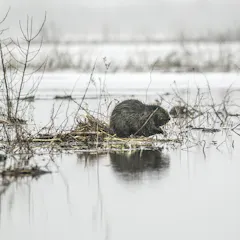
Restoring entire ecosystems is a difficult and expensive process. Thankfully, certain species, called ecosystem engineers, can make restoration easier. Gaining social and political support is critical too.
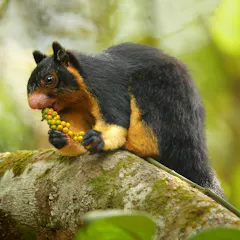
Rodents are the most numerous – and least studied – of all Earth’s mammals.
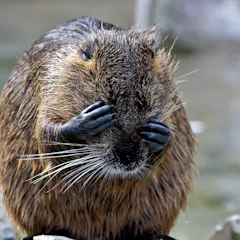
The role of beavers in safeguarding against our heating climate has become an interesting point of discussion. But just how important remains subject to debate.
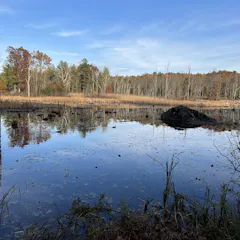
Beavers in our landscapes have great potential to provide small-scale adaptations to climate change – if humans can figure out how to live with them.

Wild beaver populations have the potential to significantly alter our landscapes, affecting biodiversity, water quality and pollution.
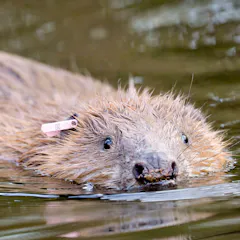
Coming to a river catchment near you: a rodent crack team ready to reduce flooding and boost biodiversity.
Top contributors
-

Associate Professor in Water Science, University of Birmingham
-
Assistant Professor in Geography, Wageningen University
-
Professor, Department of Geography and the Environment, University of Denver
-
Professor in Environmental Hydraulics, Cardiff University
-
Lecturer in Architecture, UCL
-
Professor Emerita, Augustana - Sciences, University of Alberta
-
Co-Chair of the IUCN SSC Small Mammal Specialist Group, International Union for the Conservation of Nature
-
Associate Science Editor & Co-Host of The Conversation Weekly Podcast, The Conversation
-
Associate Professor, Ecology, Northumbria University, Newcastle
-
Postdoctoral researcher, marine ecology, Adelaide University
-
Senior Lecturer in Geography, University of Manchester
-
Research Associate, University of Nottingham
-
Science + Technology Editor, The Conversation
-
Programme Officer, SSC Small Mammal Specialist Group, International Union for the Conservation of Nature
-
Professor of Community & Landscape Resilience, University of Idaho