
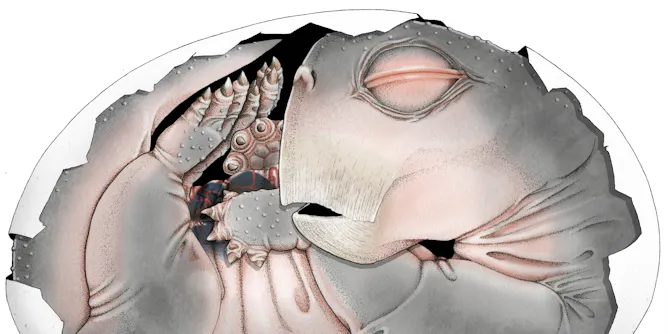
A detailed scan of a fossil therapsid embryo reveals the oldest egg belonging to a mammalian ancestor.
Articles on Beaks
Displaying all articles
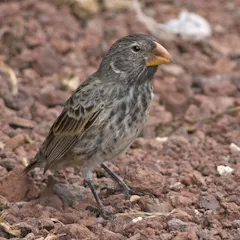
Researchers have discovered that massive beaks and strong bites hinder the velocity of beak movement in songbirds. The musical differences that result may have consequences for evolution.
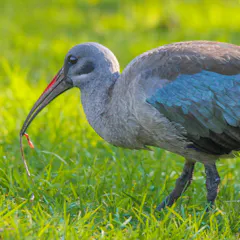
Africa’s hadeda ibises can sense vibrations using a special sensory organ in their beaks. But they need moist soil for it to work.
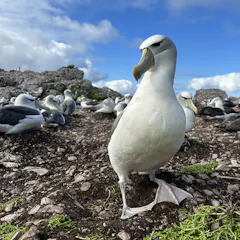
Just as Darwin’s finches evolved specialised beaks to target prey, 3D modelling of 61 museum specimens reveals albatross beaks vary in size and shape for different diets. They can also drink seawater.
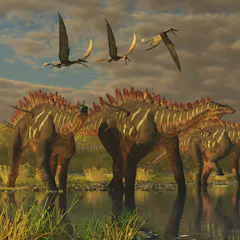
Birds and dinosaurs lived together for millions of years, but only toothless birds survived the asteroid impact that upended life on Earth.
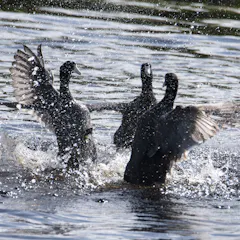
Birds will shriek and dive at each other over food, territory or mates, but only a small number of species sport actual weapons. The reason: Flying matters more for their survival than fighting.
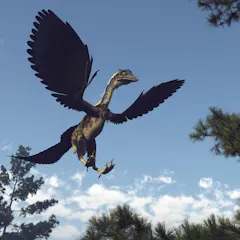
New research shows how dinosaurs suppressed their teeth and grew beaks, and then back-shifted this process from adult to embryo stage.
Top contributors
-

Professor of Vertebrate Palaeontology, University of Bristol
-
Adjunct Research Associate, Monash University
-
Postgraduate Research Student, Department of Life Sciences, University of Bath
-
PhD Student in Organismic and Evolutionary Biology, UMass Amherst
-
Newton International Fellow, University of Cambridge
-
Senior Lecturer in Southern Ocean Vertebrate Ecology, Institute for Marine and Antarctic Studies, University of Tasmania
-
Adjunct assistant professor, Clemson University
-
Associate Professor of Wildlife and Fisheries Resources, West Virginia University
-
PhD candidate in the Functional Morphology Lab, University of Antwerp
-
Professor, University of the Witwatersrand
-
Research associate, Evolutionary Studies Institute, University of the Witwatersrand
-
Associate professor in Vertebrate Palaeontology, University of the Witwatersrand