
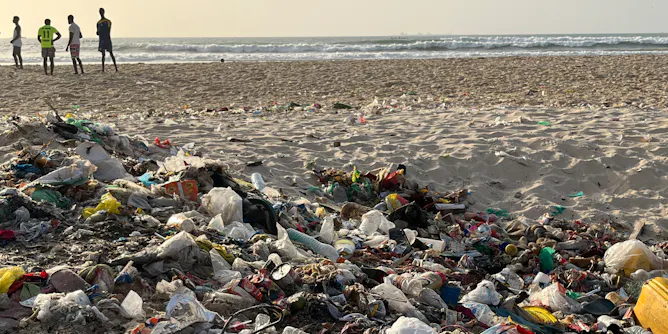
West Africa’s marine litter problem cannot be ignored. It can hinder the region’s economic and tourism growth, while putting people’s health at risk.
Articles on Beaches
Displaying 41 - 60 of 95 articles
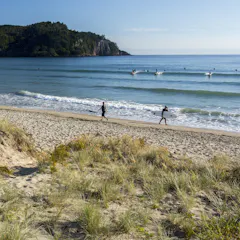
Last summer was the worst for drownings in a decade, with some groups tragically overrepresented. Community groups are urging a change of approach to water safety education.
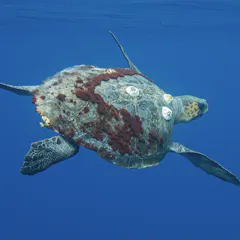
Standard marine protected areas with fixed boundaries can’t effectively shelter these ocean nomads.
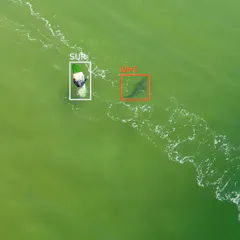
Discerning whether that dark splodge in the water is a shark or just, say, seaweed isn’t always straightforward. In reasonable conditions, drone pilots get it right only 60% of the time.

Scientists don’t know what prompts turtle hatchlings to emerge from their nests and head for the water, but vibrations appear to play a role.
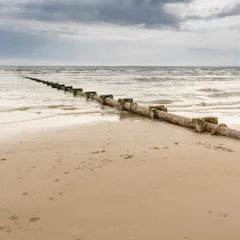
Water companies recently released raw sewage near more than 100 beaches across Britain.
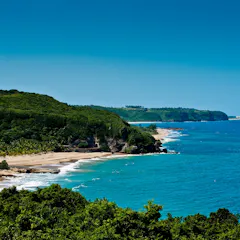
Puerto Rico’s tourism industry is booming as nations lift COVID-19 travel restrictions, but development is displacing people who have lived along its coastlines for years.
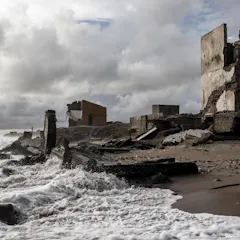
Coastal erosion in West Africa is a cause for global concern. The global community must rally to address climate change which is causing the retreat.
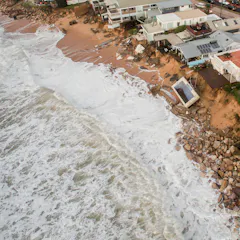
As sea levels rise, this natural form of beach replenishment might be an important factor in offsetting some of the damaging effects of climate change on beaches.
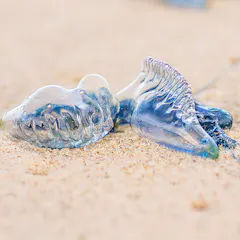
The direction a beach faces, relative to wind direction, largely determines how many bluebottles are pushed to shore.
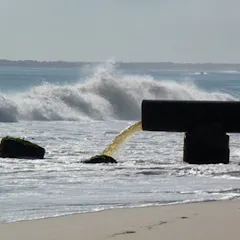
The amount of microplastics in the environment is being significantly underestimated, research shows.
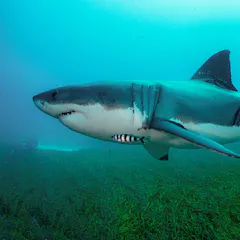
As authorities grapple with the best way to respond to the tragedy, it’s worth remembering all shark mitigation measures come with both merits and drawbacks – and none is a silver bullet.

The painful bites of female march flies can ruin your day at the beach. When we’re not there, they bite wallabies, birds, and even reptiles.
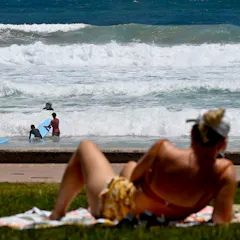
Australians tend to be fairly relaxed about the tsunami risk. But warnings from authorities to stay away from foreshore areas should not be ignored.
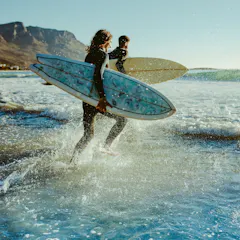
Surfing’s benefits to well-being aren’t often studied in economics terms. This is a major gap in our knowledge we’re now trying to fill.

Australia has thousands of beaches which differ greatly, from huge tides to high energy to recurring sinkholes.
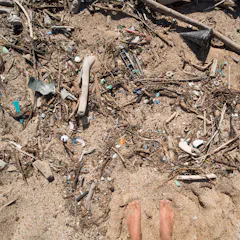
An estimated 8 million metric tons of plastic waste enters the ocean each year – equivalent to dumping in a garbage truckload of it every minute. A new report calls on the US to help stem the deluge.
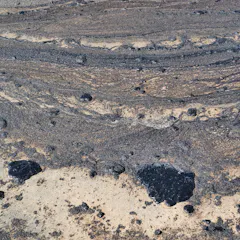
Offshore oil drilling has a long history in California, but is highly unpopular today. The latest major spill is likely to fuel efforts to wind down oil and gas production statewide.
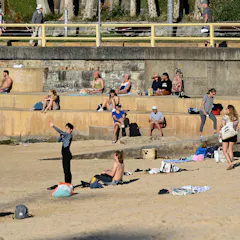
Many Sydneysiders have been heading to beaches in their local areas as the weather warms. So, if it’s allowed under the public health orders for your area, is it OK to go to the beach?
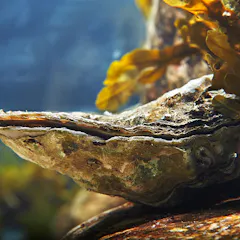
Nanoplastics and arsenic can affect some of the most basic functions of oysters.
Top contributors
-

Research Fellow in Public Health, The University of Queensland
-
Professor of Coastal Science, Florida International University
-
Scientia Senior Lecturer, UNSW
-
Associate Professor in Environmental Science, Western Sydney University
-
Associate Professor in Coastal and Marine Science, University of Newcastle
-
Professor in Department of Earth and Environmental Science, and Dean of Science, University of Waterloo
-
Senior Lecturer, School of Business, Western Sydney University
-
Adjunct Professor, Southern Cross University
-
Associate Research Professor and Director, Texas Sea Grant, Texas A&M University
-
Marine Biologist, South African National Parks (SANParks); Honorary Research Associate, South African Institute for Aquatic Biodiversity (SAIAB), South African Institute for Aquatic Biodiversity
-
Director, Ocean and Coastal Policy Center, Marine Science Institute, University of California, Santa Barbara
-
Senior Lecturer in Ocean and Earth Science, University of Southampton
-
Associate Professor in Physical Geography, University of the Sunshine Coast
-
Senior Principal Research Scientist, Environment, CSIRO
-
Professor, College of Science and Engineering, Flinders University