
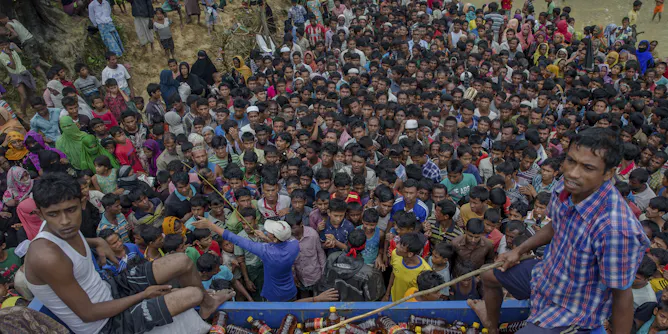
A scholar who spent time in refugee camps argues that Bangladesh’s culture as well as a painful history of a war in which 10 million sought refuge played a role in the country’s opening up of its borders.
Articles on Bangladesh
Displaying 81 - 100 of 177 articles
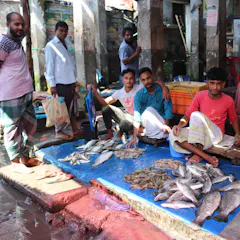
The urban poor in Bangladesh’s small cities already faced food insecurity before COVID-19 – but the lockdown made affording food much harder.
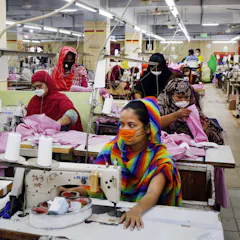
Coronavirus has revealed the extreme plight of Bangladeshi factory workers.
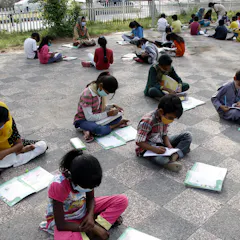
The need for social distancing due to coronavirus means now is the time for schools across the world to embrace outdoor learning.

Coronavirus has shifted the mood in society, and the fashion industry should strike while the iron is hot.

Cyclone Amphan was one of the worst cyclones to hit Bangladesh in modern times. But thanks to local action, many lives were saved.
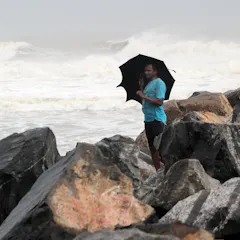
Massive cyclone that hit India and Bangladesh could have been so much worse.
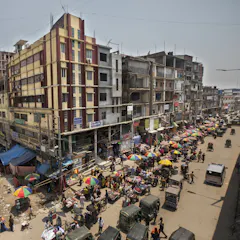
COVID-19 is spreading fast through not only the world’s richest cities but also its poorest, ravaging slum areas where risk factors like overcrowding and poverty accelerate disease transmission.
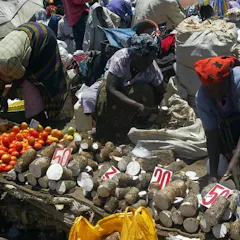
Safe rural migration programmes are not a substitute for formal social protection. But they could buy governments some time.
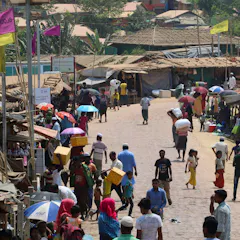
COVID-19 is spreading quickly in Bangladesh. An outbreak in the refugee camps that house some 1 million Rohingya Muslims in cramped, unsanitary quarters would be calamitous.
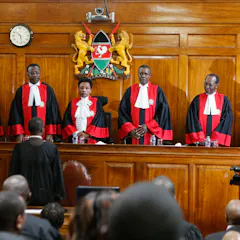
By pushing their usually valid complaints onto the streets and the courts, opposition leaders deny governments the popular goodwill and international credibility they need to govern effectively.
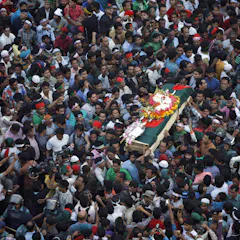
In recent years Bangladesh has seen an increase in attacks on religious minorities. A scholar explains how certain extreme views on how Islam is to be followed are taking center stage in the country.
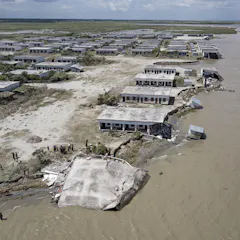
Bangladesh is on the front lines of climate change, but factors including money, gender and religion make some Bangladeshis much more vulnerable than others. Can it find inclusive ways to cope?
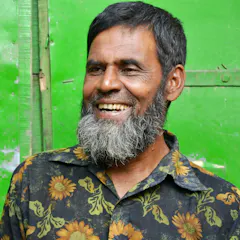
Directly linking climate change with aggression and mass migration risks dehumanising those vulnerable to environmental stresses. Mufazzar’s story does the opposite.
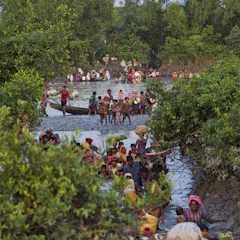
Dozens of Muslim-majority countries are asking the UN’s International Criminal Court to investigate and prosecute a 2017 massacre in Myanmar that killed an estimated 10,000 Rohingya Muslims.

The food we eat and the products we use should not contribute to human misery. While companies hold some blame, so do consumers who avoid dealing with the consequences of their purchasing decisions.
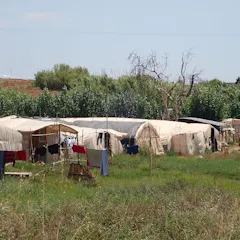
Greece is the 10th largest exporter of strawberries in the world, but evidence shows that success is due to captive migrant farm labour who work in precarious, unsafe and unhealthy conditions.
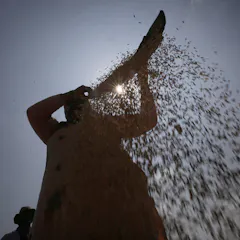
How will future generations of Indians view Kashmir’s contested history?
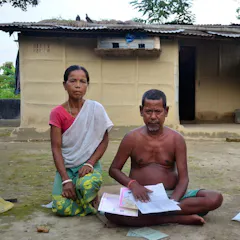
On August 31, the final list of the National Register of Citizens (NRC) for the state of Assam, along the India-Bangladesh border will decide upon the future of millions of people in the state.
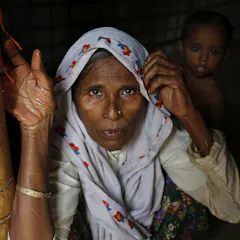
The current repatriation deal signed by Myanmar and Bangladesh fails to guarantee the safety and citizenship of the Rohingya people or address issues of justice for crimes perpetrated against them.
Top contributors
-

Director, Centre for Accountability and Global Development, University of Essex
-
Professor of Intersectional Justice, UCL
-
Professor of Social Policy, University of South Wales
-
Lecturer in Government, Jeff Bleich Centre for Democracy and Disruptive Technologies, Flinders University
-
Professor of Development Economics, Monash University
-
Adjunct Research Fellow, Humanitarian and Development Research Initiative, Western Sydney University
-
Senior Research Fellow and Lecturer in Environmental Management, University of Manchester
-
Assistant Professor, Michigan State University
-
Senior Professorial Lecturer of Global Governance, Politics and Security, American University School of International Service
-
Associate Professor in International & Community Development, Deakin University
-
Professor of Disasters and Health, UCL
-
Senior Research Fellow, Digital Media, Western Sydney University
-
Senior Lecturer in Politics and International Relations, University of Dundee
-
Senior Lecturer in Anthropology, University of Sussex
-
Lecturer, University of South Wales