
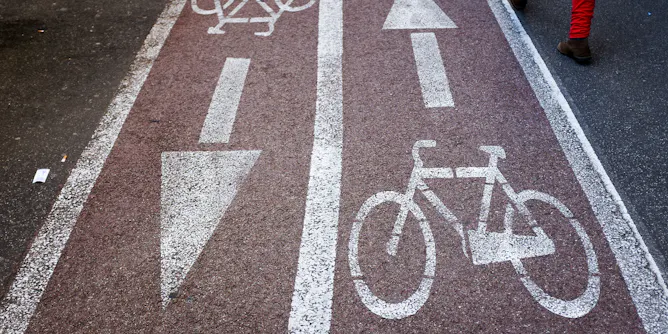
Successful policy interventions, especially those in the social realm influenced by the vagaries of human behaviour, don’t seem to travel well.
Articles on Bangladesh
Displaying 141 - 160 of 177 articles
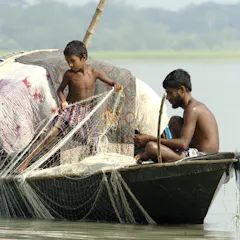
The focus of food production systems, including aquaculture, must move beyond maximising yields to consider nutritional quality too.
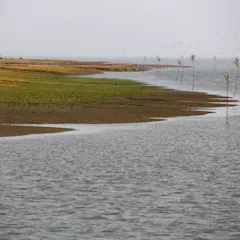
The idea of relocating thousands of Rohingya refugees to a remote flood-prone island would set a bad precedent for managing human rights crises.
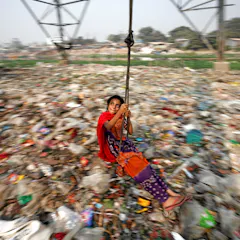
Bangladesh is a global poster child when it comes to improving women’s status in the developing and the Muslim worlds. But a recent amendment to the country’s marriage law threatens its progress.

Rohingya songs and drawings are a form of resistance against the persecutions they face in Myanmar and in Bangladesh.
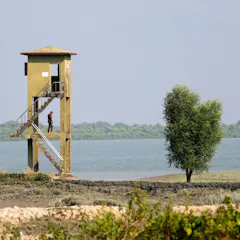
Abuses on Rohingyas have reached new height but neither Myanmar nor neighbouring Bangladesh are taking responsibilities to grant basic human rights to this population.
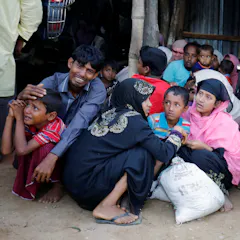
Talks among ASEAN leaders are often limited to political and economic issues, pushing problems with deep social and cultural roots like the persecution of ethnic Rohingya to the margins.
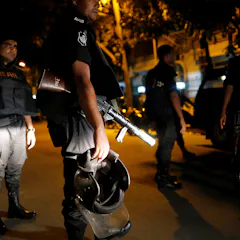
Countering violent extremism in Bangladesh will require a change in the political climate of the country so that young are exposed to diverse political avenues and have a real chance of getting a job.
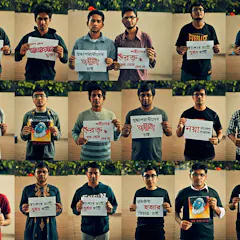
The deadly attack on Holey bakery in July 2016 and a recent spate of crimes against minorities show that Bangladesh’s commitment to secularism and pluralism are at stake.
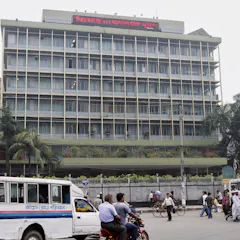
Research into banks’ charitable activities shows a strong interest in disclosing donations made the the ruling family’s causes.
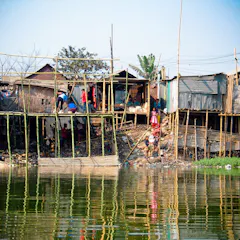
Climate change will certainly affect Bangladesh but claims of climate change refugees are premature.
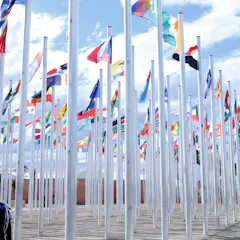
The Paris Agreement is in place, but there’s still much to lose for the least developed countries.
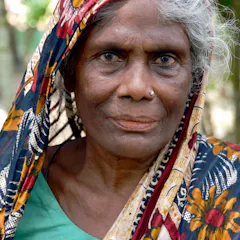
Meet Bhokal, who has already lost so much due to environmental disasters, and who needs the Paris agreement to be a success.
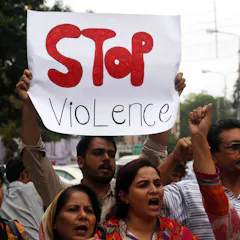
A new tool is tracking attacks on people for their religion, politics, caste, ethnicity, gender, class and sexual orientation.
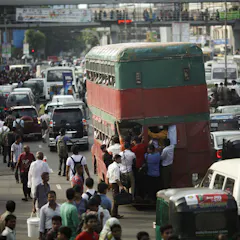
As cities trumpet their liveability, creativity and greenness, many informal settlement activities are often relegated to the shadows.

The Global South needs stronger commitments from rich countries to achieve long-term climate success.
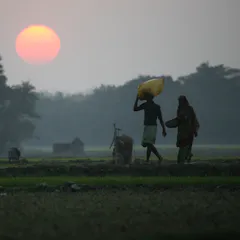
Nearly 5m tonnes of coal will soon be shipped through the Sundarbans each year.
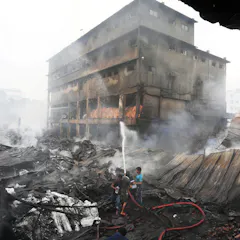
The people responsible for the country’s successes are the victims of its political failures.
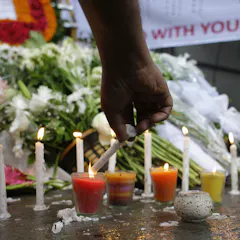
If the government is serious about tackling terrorism, politicisation and increased surveillance in private schools and universities will not be enough.
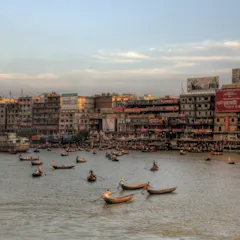
Bringing significant benefits to an emergent middle class, Dhaka’s cultural, economic, environmental and political landscapes are being rapidly but unevenly transformed.
Top contributors
-

Director, Centre for Accountability and Global Development, University of Essex
-
Professor of Intersectional Justice, UCL
-
Professor of Social Policy, University of South Wales
-
Lecturer in Government, Jeff Bleich Centre for Democracy and Disruptive Technologies, Flinders University
-
Professor of Development Economics, Monash University
-
Adjunct Research Fellow, Humanitarian and Development Research Initiative, Western Sydney University
-
Senior Research Fellow and Lecturer in Environmental Management, University of Manchester
-
Assistant Professor, Michigan State University
-
Senior Professorial Lecturer of Global Governance, Politics and Security, American University School of International Service
-
Associate Professor in International & Community Development, Deakin University
-
Professor of Disasters and Health, UCL
-
Senior Research Fellow, Digital Media, Western Sydney University
-
Senior Lecturer in Politics and International Relations, University of Dundee
-
Senior Lecturer in Anthropology, University of Sussex
-
Lecturer, University of South Wales