
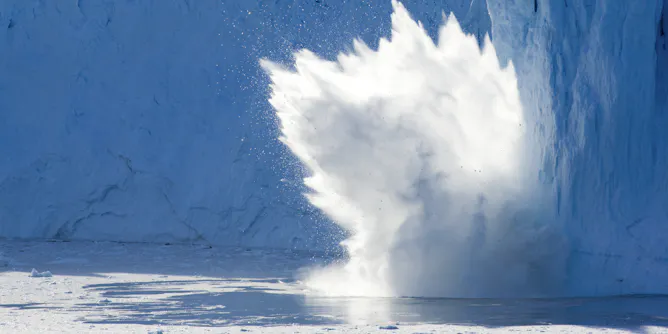
Scientists now have a better understanding of the risks ahead and a new early warning signal to watch for.
Articles on Atlantic Ocean
Displaying 21 - 40 of 72 articles
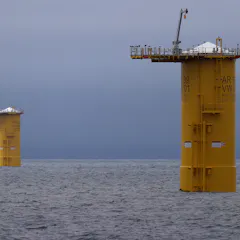
A recent study focusing on how offshore wind farms in Massachusetts waters could affect endangered right whales does not call for slowing the projects, but says monitoring will be critical.

Oceanographic systems vary over years, decades and centuries.
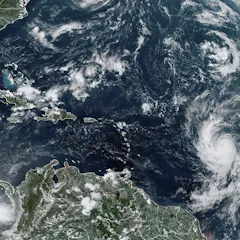
Can Hurricane Fiona give us a hint about what future climate change might bring to Eastern Canada? Unravelling this question could lie in understanding ancient storm records.
Recent headlines around the supposed impending collapse of the Atlantic currents remind us of the importance of avoiding sensationalism in facing global warming.
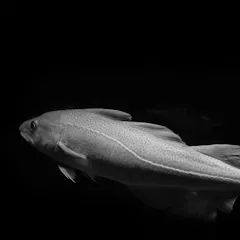
Having a flexible and adaptable management system is necessary to sustainably manage fisheries, especially in times of a rapidly changing climate.

A team of rescuers has located debris from the Titan, indicating the end of search-and-rescue efforts. Risky undertakings need to assess the cost and capacity of any potential rescue needs.
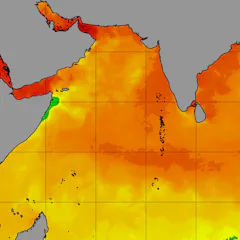
Drought in Europe, dwindling Arctic sea ice, a slow start to the Indian monsoon – unusually hot ocean temperatures can disrupt climate patterns around the world, as an ocean scientist explains.
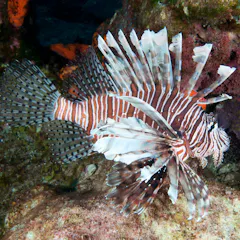
One of the most damaging invasive species in the oceans has breached a major barrier – the Amazon-Orinoco river plume – and is spreading along Brazil’s coast. Scientists are trying to catch up.
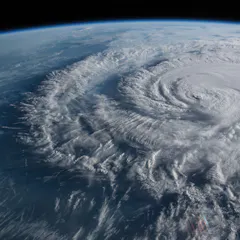
Current forecasts suggest a warm tropical Pacific will be interfering with what could otherwise be a ferocious Atlantic hurricane season.
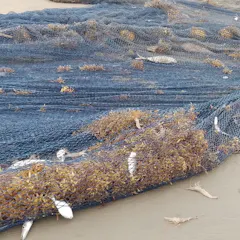
The seaweed invasion of parts of the Ghanaian shoreline is affecting coastal inhabitants.

By analyzing small samples of killer whale fat, scientists can learn about the diets of different killer whale populations. This has implications for our understanding of changing ecosystems.

The Met Office has predicted that England is to be affected by flooding this February.
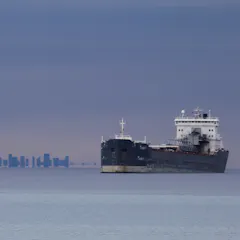
Ballast water release from ocean vessels has been a major source of invasive species in the Great Lakes for over 60 years.

Hurricanes don’t usually maintain high wind speeds as they make their way toward Atlantic Canada. But ocean warming may be linked to the increasing intensity of storms like Fiona.
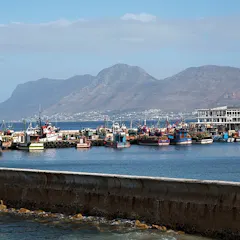
The trend globally is for countries to be explicit about their maritime interests, underpinned by a sound security strategy.
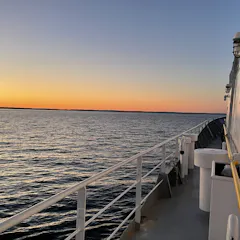
Climate change is causing the deep waters in parts of the St. Lawrence River to lose their oxygen, and it’s damaging the health of the ecosystem.
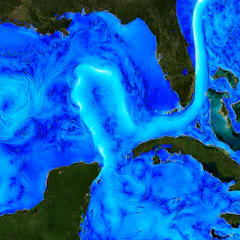
With La Niña helping clear the way for a busy hurricane season, this wide current of warm water could spell disaster for the northern Gulf Coast.
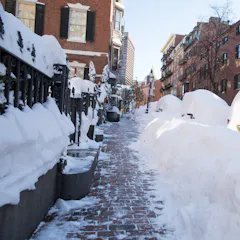
Winters are getting warmer, yet Bostonians were digging out from nearly 2 feet of snow from a historic blizzard in late January. Why is the Northeast seeing more big snowstorms like this?
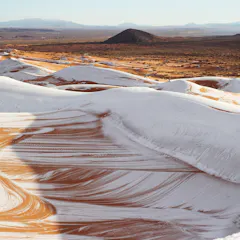
In order for snow to form, two distinctive weather properties are needed: cold temperatures and moist air. The Sahara can tick these boxes.
Top contributors
-

Senior Research, Euro-Mediterranean Center on Climate Change; Professor of Ocean and Climate Dynamics, Georgia Institute of Technology
-
Atmospheric Science Educator, Georgia Institute of Technology
-
Professor of Tourism Management and Economics, North-West University
-
Professor of Marine and Coastal Sciences, Rutgers University
-
Researcher, Institute for Climate and Atmospheric Science (ICAS), University of Leeds
-
Professor in sea level and flooding, University of Southampton
-
Professor of Marine Geology and Director of the Climate Change Consortium of Wales, Bangor University
-
Professor of Oceanography, Old Dominion University
-
Postdoctoral research fellow at Sorbonne University and University of Cape Town, University of Cape Town
-
Professor of Oceanography and Climate, University of Southampton
-
Professor, School of the Environment, The University of Queensland
-
Professor Emeritus of Fish Biology and Fisheries, University of Leicester
-
Associate Professor in Social and Maritime History, University of Reading
-
Assistant Professor of Earth, Ocean & Environment, University of South Carolina
-
Director of Research for the Center for the Blue Economy, Middlebury College