
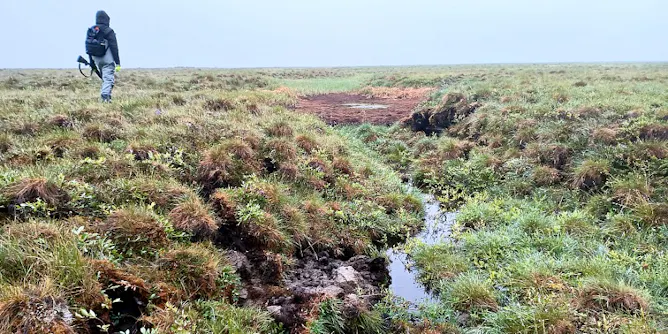
The abrupt disappearance of a lake is one clear sign that the ice below is melting, and a clue to wider permafrost changes.
Articles on Arctic warming
Displaying 1 - 20 of 22 articles
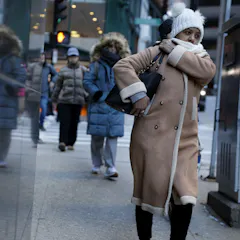
The atmosphere is a complicated place. Warm temperatures in one spot can contribute to brutally cold storms somewhere else.
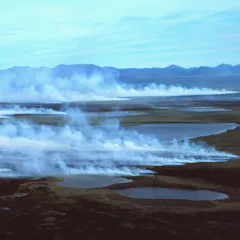
Our work shows they may be caused by spontaneous combustion triggered by sudden climate change.
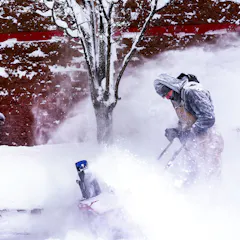
The world can expect fewer severe cold events as average temperatures rise, but people still need to be prepared for wintery blasts.

The early heat melted snow and warmed rivers, heating up the land and downstream ocean areas. The effects harmed salmon fisheries, melted sea ice and fueled widespread fires.
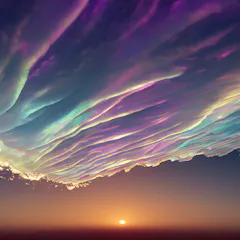
Back when there were Arctic alligators and turtles, ‘polar stratospheric clouds’ kept their world warm. Research suggests these clouds contribute to the ‘missing warming’ in climate models.

A short history of predicting an ice-free Arctic – and why you should listen to this one.
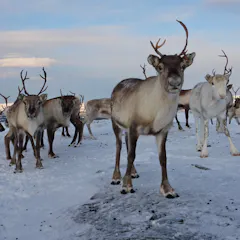
The annual report is also a reminder that what happens in the Arctic affects the rest of the world.
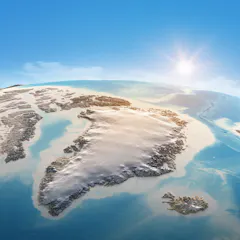
Here are two possible forms of regional geoengineering.
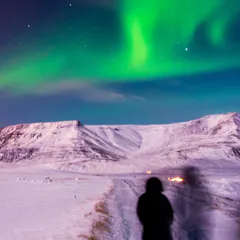
The Arctic Council was the world’s primary forum for cooperation among the eight Arctic nations and a channel for diplomacy – until Russia launched a war.
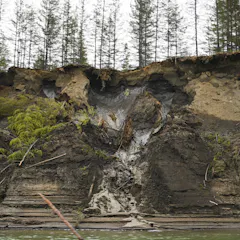
Ground is collapsing and massive lakes are draining in a matter of days. Thawing permafrost is having profound effects on the region and its infrastructure.
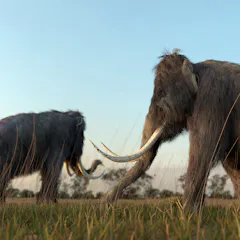
While the prospect of reviving extinct species has long been discussed, advances in genome editing have now brought such dreams close to reality.
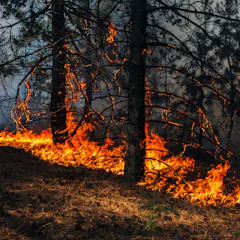
A future of heat and strife or humanity’s finest hour – our response to climate change today will define the 21st century.
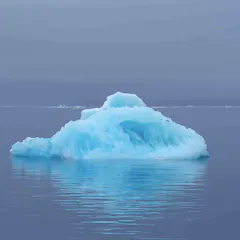
Extreme shrinkage of summer sea ice is just the latest evidence of rapid Arctic warming – and what happens in the Arctic doesn’t stay there.

The report by the World Meteorological Organisation shows that with large and rapid emissions cuts, we can still avoid the most severe climate change. But worryingly, we also have time to make it far worse.
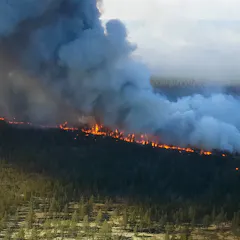
The high temperatures and wildfires of 2019 were thought to have heralded a freak summer for the Arctic. Then 2020 brought worse.
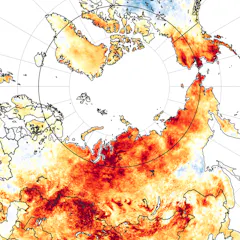
Models have predicted for some time that with every degree of global warming, the Arctic will see double or more.

The wet and low-lying East Siberian Arctic is likely to be a major methane source in the coming decades.
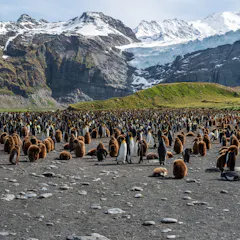
Polar regions may be becoming more profitable, but these “benefits” come with far more severe costs.
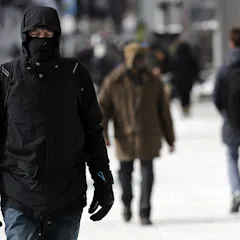
Life-threatening cold temperatures in the central US are caused by changes in wind circulation in the Arctic that bring cold air south. Climate change could make these events more frequent.
Top contributors
-

Senior Scientist, National Snow and Ice Data Center (NSIDC), Cooperative Institute for Research in Environmental Sciences (CIRES), University of Colorado Boulder
-
Professor of Climate Science, UMass Lowell
-
Deputy Lead Scientist, National Snow and Ice Data Center (NSIDC), Cooperative Institute for Research in Environmental Sciences (CIRES), University of Colorado Boulder
-
Professor of Glaciology and Earth Observation, University of Bristol
-
Alaska Climate Specialist, University of Alaska Fairbanks
-
Professor of Engineering Dynamics and Vibration, University of Cambridge
-
Professor (Chair) and Head of Applied Mathematics, University College Cork
-
Research Fellow in Biomedical Ethics, The University of Melbourne
-
Graduate Fellow with North American and Arctic Defense Security Network, PhD Candidate in Political Science, Colorado State University
-
Director, Centre for Climate Repair, University of Cambridge
-
Senior Lecturer in Atmospheric Science, Climate Change Research Centre, UNSW
-
Senior Lecturer, School of Mathematical Sciences, University College Cork
-
Professor and Director of the Climate Change Research Centre, UNSW, UNSW
-
Head of the Centre for Water, Environment, Sustainability and Public Health, University of Strathclyde
-
Lecturer in Meteorology, University of Reading