
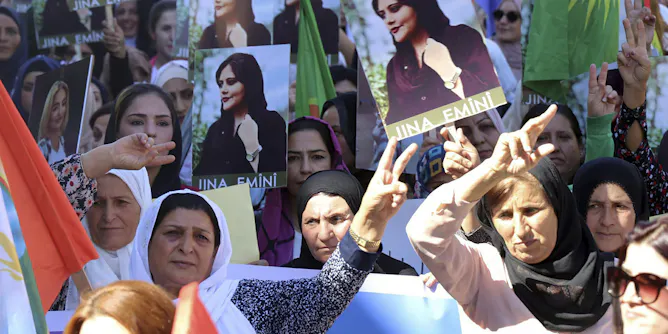
Iranian women have often used images of actions such as singing and dancing unveiled to show what freedom means to them and to protest the Islamic Republic’s gender oppression.
Articles on Arab Spring
Displaying 21 - 40 of 165 articles
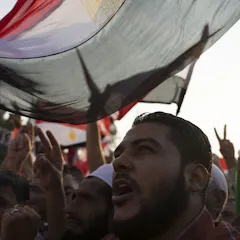
The Muslim Brotherhood once held the reins of power in Egypt. Now it faces internal splits, government repression and dwindling support.
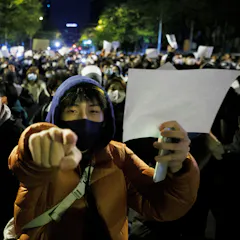
It started with the deaths of ten people in a locked-down apartment, but is not a widespread demonstration of unrest across CHina.
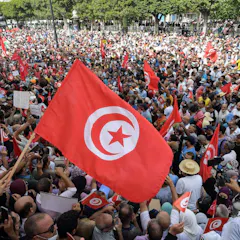
Tunisia’s democratic backslide demonstrates how autocrats can use constitutional cover to entrench authoritarianism.

The country is still a very different political space. It’s a noisy democracy with a free media, lots of dissenting voices, and insulting the government doesn’t carry any overt sanction.

Leaders typically spread power among their ‘rival allies’ to keep it and co-opt enough of those elites in exchange for political support.
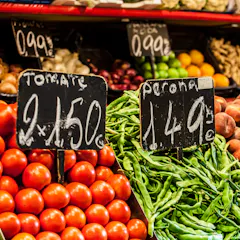
Extreme weather is already having an influence on global food prices.
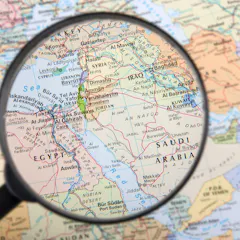
The events of the past decade in the Middle East have upended the states in the region. What will the future hold?
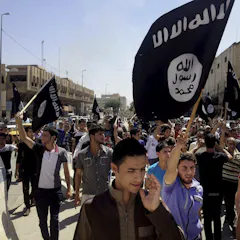
A second plot was planned on 9/11, but there were too few terrorists to carry it off. Twenty years later, al-Qaida and its offshoot the Islamic State group still have trouble attracting recruits.
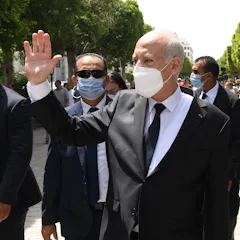
Viewing Tunisia as an Arab Spring success story was always too simplistic.
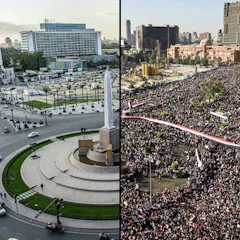
In the ten years since the Arab Spring, the countries affected have transformed completely. Here’s how.
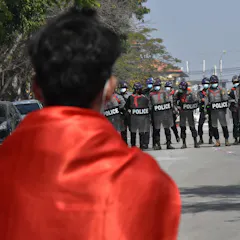
History tells us that the stability of a country’s security forces is key to the success or failure of a popular uprising.
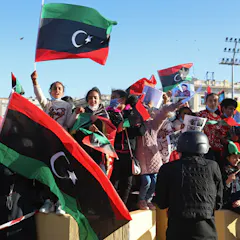
Ten years after the Arab Spring, hope has given way to turmoil as Libyans have watched duelling governments and armed groups fight over the country’s oil riches. Is a new chance for peace afoot?
A decade ago, the lack of a clear policy by the Obama administration let the region down. But might US have another opportunity in the Middle East?
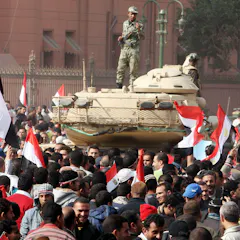
The underlying issues of inequality, corruption and poverty are still dogging the region, ten years after the protests.
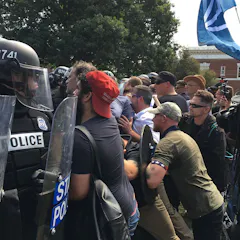
Despite moments of hope, worries about the present and fears that the future may be even worse have been rising for decades. What can geopolitics teach us about the global impact of fear?
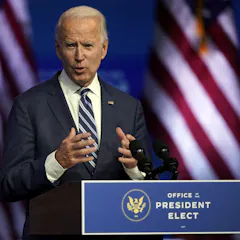
It’s been said that empathy is Joe Biden’s superpower. A therapeutic approach to foreign policy under Biden might go a long way in easing tensions around the world exacerbated by Donald Trump.
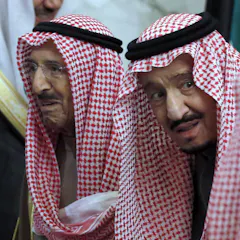
Gulf monarchies emerged from the Arab Spring relatively unscathed, while some Middle East republics were devastated by civil war. Here’s how they managed — and how education may have played a part.
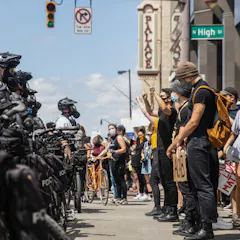
Protests don’t simply turn violent because people have “nothing to lose”. Police behaviour and group psychology also plays a part.
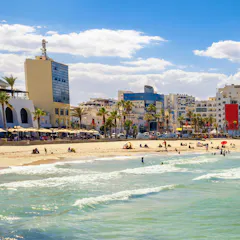
Those who conduct business in Tunisia consider it a low-risk security environment compared to some of its neighbours in North Africa and the Middle East.
Top contributors
-

Senior Lecturer in International Relations, University of Aberdeen
-
Director of the Centre for Global Development and Professor in the School of Education, University of Aberdeen
-
Professor of International Relations, Lancaster University
-
Senior Lecturer, School of Social Sciences, UNSW
-
ESRC PhD candidate, Lancaster University
-
Lecturer in Middle East Studies, Deakin University
-
Professor in the Department of Government, University of Essex
-
Assistant Professor of Politics, Pomona College
-
Professor of Middle Eastern Studies and Public Policy and Director of the Interdisciplinary Studies Institute, UMass Amherst
-
Associate Teaching Professor, School of Interdisciplinary Arts and Sciences, University of Washington, Bothell
-
Adjunct Professor, Geopolitics and International Political Economy, Georgetown University
-
Honorary Research Fellow, School of Social Sciences, University of Aberdeen
-
Professor of Politics, University of Sydney
-
Visiting professor, Georgetown University
-
PhD Candidate in Political Science, University of Oregon