
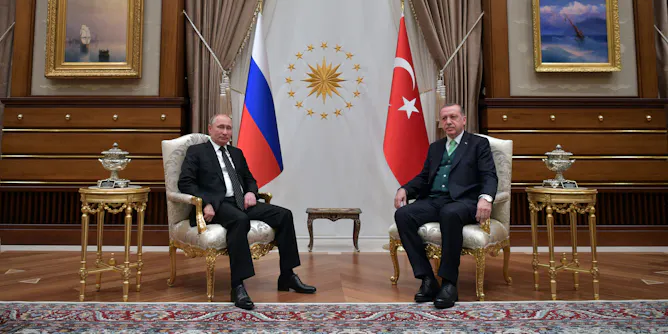
At first, the 2010s seemed full of hope for democracy. The picture today is rather more complicated.
Articles on Arab Spring
Displaying 61 - 80 of 165 articles
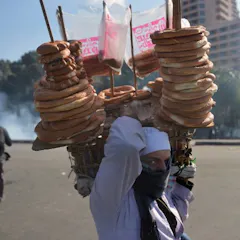
In Morocco, bread is not only a symbol for wider demands but also the material basis of affordable and just living conditions.
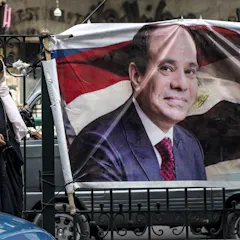
Egyptians’ revolutionary demands for ‘bread, freedom and social justice’ are a distant memory.
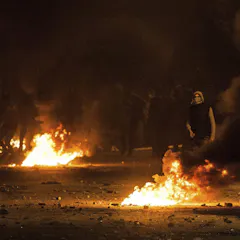
Decentralization in the Middle East and North Africa is supposed to lead to greater public representation in municipal politics. In fact, it is largely strengthening authoritarianism.
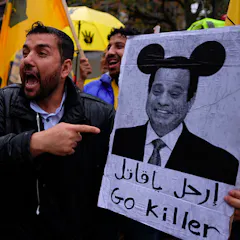
Public disaffection in Egypt and other Middle Eastern countries betrays deep-seated tensions beneath the surface.
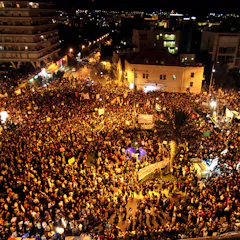
The events of summer 2011 proved that Israel incubates the same sort of socio-economic discontent that upended the wider Middle East.
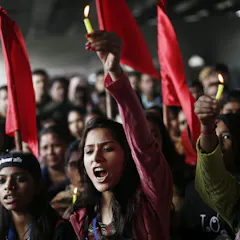
Millennial Indian women have been leading a new kind of feminism since the early 2000s.
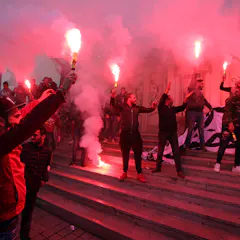
Seven years after Ben Ali was deposed, Tunisians feel little happier with their lot.

Activists often face intransigent regimes and ruthless warlords. But women can use traditional insights into femininity and motherhood for political mobilisation and resistance.
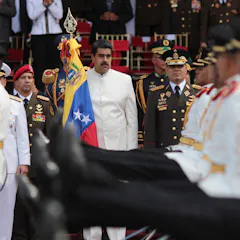
The loyalty of Venezuela’s soldiers is getting shaky. History shows from the Arab Spring to Latin American coups, when the military withdraws support for a leader, a fall from power is imminent.
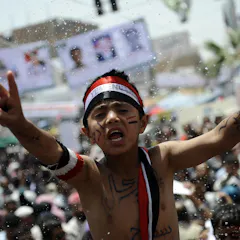
The concept of dignity is not universal. It means different things to different people and different cultures.
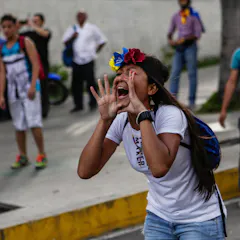
After a high point in 2011, it looked like a global wave of protest had crested. But another one is surging.
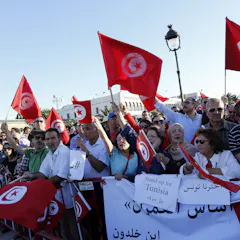
Protests in Tunisia and Morocco show underlying causes of the Arab uprisings remain intact.
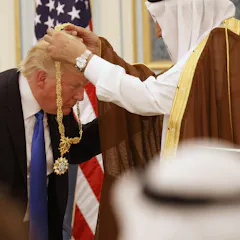
Shared economic and security interests have kept Saudi Arabia and the US close over the decades despite dramatic differences in the way the two countries are governed.
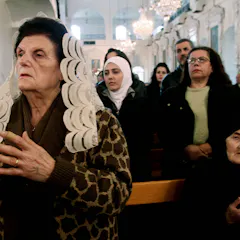
For many centuries, Syrian society has included people of many faiths – Sunni and Shi'i Muslims, Christians and Druze. This past is important to know to understand the present.
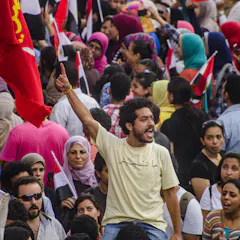
Despite a wave of hope sparked by the Arab Spring, women have found themselves marginalised once again by regimes with little interest in rights and equality
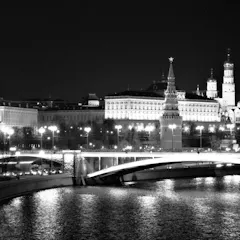
Radical political change is not something Putin wants to celebrate.
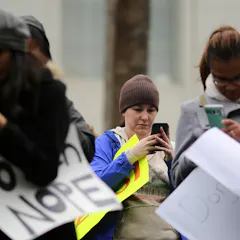
Can social media create opportunities to identify and challenge government pitfalls and problematic policies?
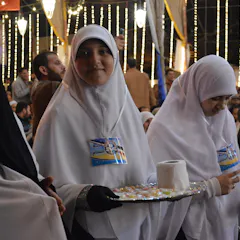
The Muslim Brotherhood exists in the form of many local organizations and well as an international organization. Research shows there isn’t a coherent Muslim Brotherhood ideology.
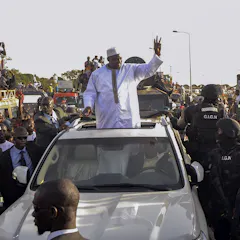
Although Ecowas and the AU made sure that Yahya Jammeh stepped down after losing the elections in The Gambia, caution is warranted in assuming this heralds a trend against African dictatorships.
Top contributors
-

Senior Lecturer in International Relations, University of Aberdeen
-
Director of the Centre for Global Development and Professor in the School of Education, University of Aberdeen
-
Professor of International Relations, Lancaster University
-
Senior Lecturer, School of Social Sciences, UNSW
-
ESRC PhD candidate, Lancaster University
-
Lecturer in Middle East Studies, Deakin University
-
Professor in the Department of Government, University of Essex
-
Assistant Professor of Politics, Pomona College
-
Professor of Middle Eastern Studies and Public Policy and Director of the Interdisciplinary Studies Institute, UMass Amherst
-
Associate Teaching Professor, School of Interdisciplinary Arts and Sciences, University of Washington, Bothell
-
Adjunct Professor, Geopolitics and International Political Economy, Georgetown University
-
Honorary Research Fellow, School of Social Sciences, University of Aberdeen
-
Professor of Politics, University of Sydney
-
Visiting professor, Georgetown University
-
PhD Candidate in Political Science, University of Oregon