
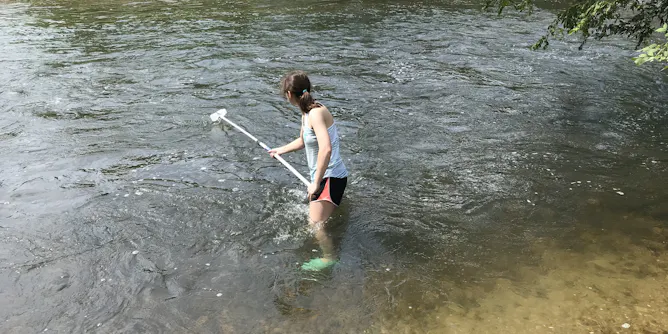
A fish-finding expedition not only detects unexpected species but also uncovers a living link to Missouri’s geological past.
Articles on Aquatic life
Displaying all articles
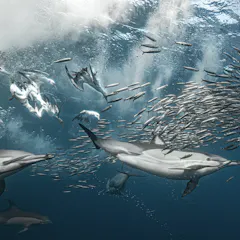
An organism can appear compliant under single chemical regulation while still carrying a potentially concerning mixture burden.
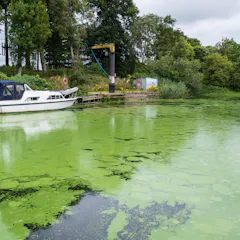
When sediment is stirred up, the effects ripple through the ecosystem.
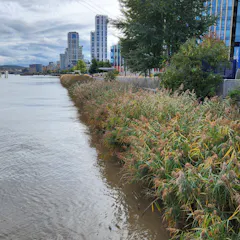
From concrete walls to living edges, the Thames is being reshaped to support fish, wildlife, and a healthier urban river.
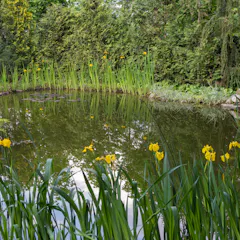
Across Britain, ponds are quietly vanishing. Reviving them is one of the simplest ways to boost biodiversity and climate resilience.

A new tool aims to help scientists decode what underwater river sounds really mean.

Over millions of years, a stable climate helped create this biodiversity hotspot. Climate change now threatens it.

Modern pharmaceuticals have saved millions of lives, however, there is growing concern that these same drugs may pose a real ecological concern for human and non-human life alike.
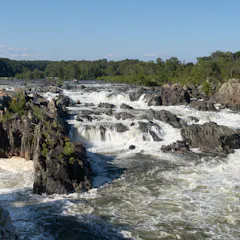
When water warms, it holds less oxygen, and this can harm aquatic life and degrade water quality. A new study finds that climate change is driving oxygen loss in hundreds of US and European rivers.
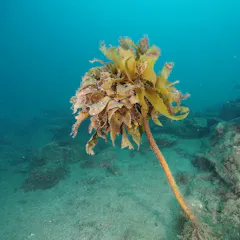
New findings suggest animal-mediated plant reproduction might have originated in the ocean.

Australia’s beloved billabongs and waterholes are in danger of filling up with eroded soil from farms, leaving little room for the aquatic animals that depend on these vital drought refuges.
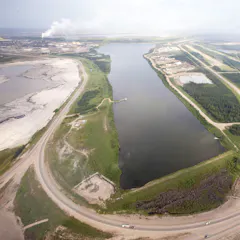
As toxic water continues to spill from tailings ponds across mining developments, decades of scientific research provides evidence of how wildlife will be affected.
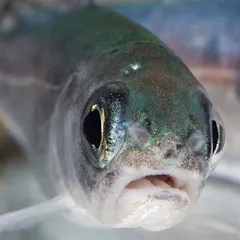
Neuroactive compounds in antidepressants enter our wastewater and affect how fish function. Identifying the potential damage to fish is paramount for protecting our aquatic ecosystems.
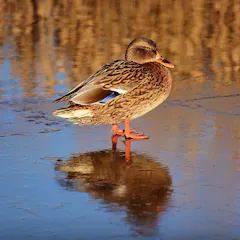
Some species beat the big freeze with natural antifreeze in their blood.

Rising concern about possible environmental damage from the active ingredients in sunscreens could have ripple effects on public health if it causes people to use less of them.
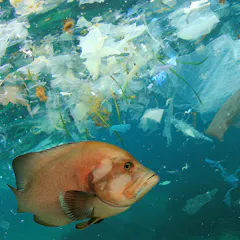
We need to advance our understanding of the effects of microplastics on aquatic ecosystems, especially on small animals at the base of food webs that might be ingesting more of these particles.

Salty water seeps into our soils and groundwater through surface runoff and storm-water pipes. The long-term storage of salt in the environment impacts aquatic life, infrastructure and drinking water.
Top contributors
-

PhD Candidate, Marine and Estuarine Science, UCL
-
Adjunct Senior Research Fellow in the Australian Rivers Institute, Griffith University
-
Professor/Professeure titulaire, Eau Terre Environnement Research Centre, Institut national de la recherche scientifique (INRS)
-
PhD Student, Department of Biology, University of Victoria
-
George A. Weiss University Professor and Director, UPenn Prevention Research Center, University of Pennsylvania
-
Post Doctoral Fellow, Centre for Sustainable Aquatic Ecosystems, Harry Butler Institute, Murdoch University, Murdoch University
-
Research Scientist, Southern Cross University
-
Assistant Professor, Department of Biology & School of Environmental Studies, Queen's University, Ontario
-
Associate Professor, Ecology, Northumbria University, Newcastle
-
Junior Research Associate, Experimental Ecology and Ecotoxicology Research Team, Queen's University, Ontario
-
Post-doctoral Fellow, Department of Biology, McMaster University
-
Postdoctoral fellow, Marine Ecology, University of Victoria
-
Lecturer in Molecular Ecology, Edith Cowan University
-
Professor of Biology and Director, Kewalo Marine Laboratory, University of Hawaii
-
Associate Professor of Environmental Resliience, Department of Animal, Rural and Environmental Sciences, Nottingham Trent University