

There are four practical policy shifts that the Nigerian government could take to improve the use of maternity services.
Articles on Antenatal care
Displaying 1 - 20 of 23 articles
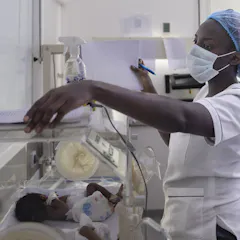
Understanding the prevalence and factors associated with preterm births is critical for effective interventions.

Adolescent girls living in low-income urban informal settlements face challenges that elevate their susceptibility to early childbearing.

Families in Ghana still pay for maternal health services despite the country’s policy of free care.

Cases of infectious syphilis have risen sharply in the last decade, including in women in their reproductive years. That can lead to stillbirth, miscarriage or disability.
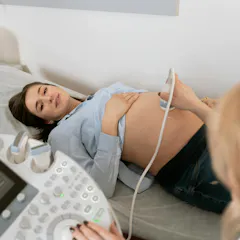
Your estimated due date isn’t always accurate but can impact the care you receive.

Planned early delivery is a key component of reducing child and maternal mortality.
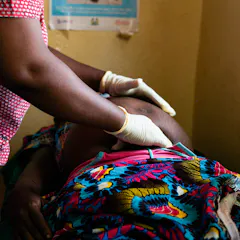
User fees is a major barrier to healthcare, including maternal and newborn care in Kenya.

Becoming a parent can be nerve-wracking – but there are many things you can do to feel more in control.
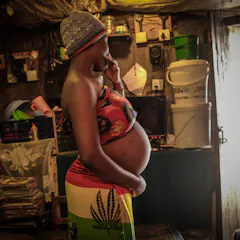
Despite the high incidence of adolescent pregnancy and the risks it poses, there isn’t much data on maternal mental health in this age group in sub-Saharan Africa.

First-hand family accounts and photographs trace the difficulties and traumas of giving birth and looking after a baby during a pandemic.
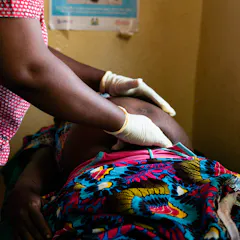
Fathers who attend antenatal care may be keen to support the well being of their partners and children, but are left unengaged and often disappointed.
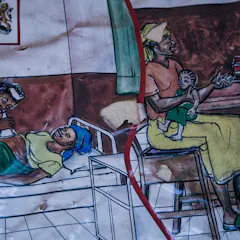
High quality antenatal care can improve maternal health in West and Central Africa by identifying and addressing underlying problems that can cause pregnancy complications.

Even though the spouse escort policy carries good intentions, we found during our study that it constituted a barrier to care in numerous ways.
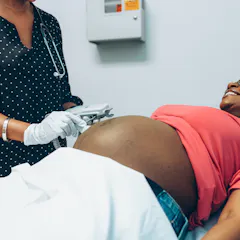
Measures put in place to curb the spread of COVID-19 may worsen the already poor access to quality maternal health services in parts of the continent.

South Africa has set ambitious targets to eliminate mother to child transmission of HIV completely. It will require innovative strategies and continuous quality improvement to achieve them.

Most women feel they are unable to ask health professionals questions. And only half were consistently asked if they had questions.

Providing affordable pregnancy tests to women in low-resource countries is a critical, yet under-appreciated, way to improve their health.

The precarious nature of housing and work for millennials is making motherhood more challenging.
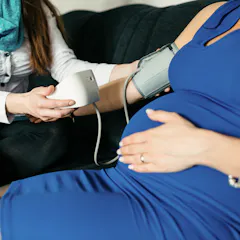
Teenagers, unmarried women and migrants are among those missing out on antenatal care in the first 14 weeks of pregnancy, according to new Australian research.
Top contributors
-

Communications Specialist, University of California, San Francisco
-
Senior lecturer, York St John University
-
Lecturer in Psychiatric Epidemiology, University of Bristol
-
Network and Research Manager: ARUA – UKRI GCRF FSNet Africa, University of Pretoria
-
Research Director, Health, National Centre for Social and Economic Modelling, University of Canberra
-
Professor in Food Security; Head of the Department of Agricultural Economics, Extension and Rural Development, University of Pretoria
-
Professor of Obstetrics & Gynaecology, Griffith University
-
Professor of Midwifery, Associate Dean Research and HDR, Midwifery Discipline Leader, Western Sydney University
-
Senior Policy and Advocacy Officer, African Population and Health Research Center
-
Aga Khan University Graduate School of Media and Communications (GSMC)
-
Researcher, Centre for Maternal, Fetal, Newborn and Child Health Care Strategies, University of Pretoria
-
Research Fellow, University of Bergen
-
Project officer, Aboriginal and Torres Strait Islander Health Program, Surveillance and Evaluation Research Program, Kirby Institute, UNSW
-
Epidemiologist, The Kirby Institute, UNSW
-
Professor of Health Equity, Stretton Health Equity, School of Public Health, Adelaide University