
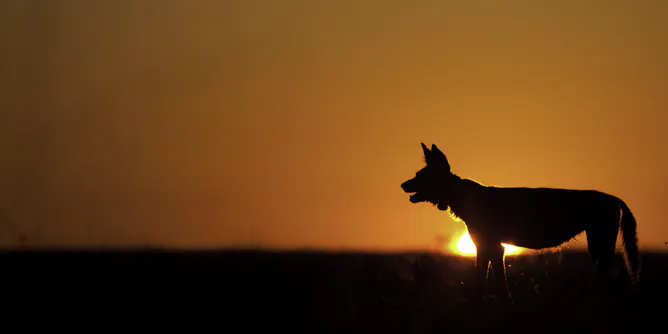
African wild dogs are used to evading hyenas and lions. Genetic research suggests they are using the same strengths to get around human development as well.
Articles on Animal behavior
Displaying 81 - 100 of 126 articles
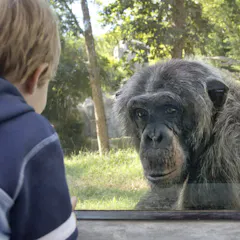
A fundamental change in how North American zoos and aquariums are accredited supports their animal conservation and species survival work.
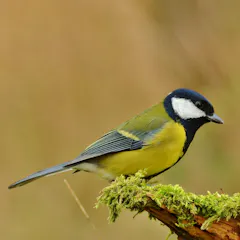
We discovered that the ability to be flexible and change behaviour in certain circumstances is just as important for birds as people.
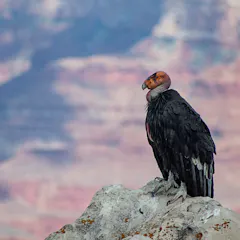
Researchers were surprised to find two female condors had managed to hatch chicks that had no fathers. But virgin birth does not seem to produce healthy birds that could strengthen the population.
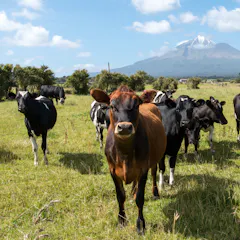
Capturing cow urine could allow us to reduce the amount of damaging nitrate and nitrous oxide that ends up in the environment.
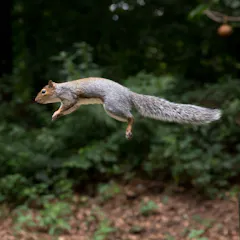
How do squirrels leap through trees without falling? It takes strength, flexibility and finely tuned cognitive skills.
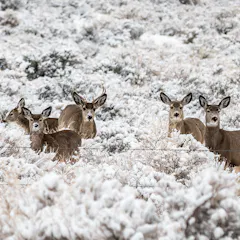
Outdoor recreation is booming across the US, but research shows that the presence of humans – or the trails they hike and ski on – can have harmful effects on wildlife at less-than-close range.

According to a veterinarian, the behavior some people call ‘kneading the dough’ or ‘making biscuits’ is a clue your cat feels comfortable around you.
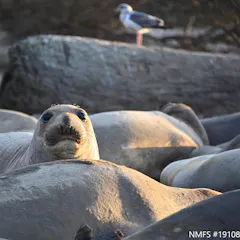
By measuring how and when elephant seals sleep, researchers were able to figure out how elephant seals change their risk-taking behavior as they gain weight.
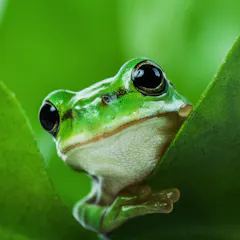
The noise from the lungs drowns out other species’ calls, letting the females hear potential mates.
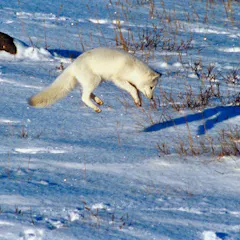
Arctic foxes have a few special talents that help them sneak up on unseen prey and pounce.

A new study found some dogs learn the name of a new object after hearing it only four times.
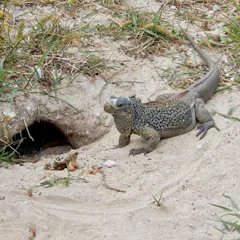
A trace fossil of an iguana burrow was discovered on San Salvador Island in the Bahamas. Estimated to be 115,000 years old, it is the first known fossil of its kind.
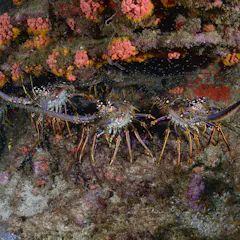
Using distance to avoid getting sick has deep evolutionary roots for humans and many other species.

Faced with uncertain and anxious times, brains send out instructions to start stockpiling supplies – whether you’re a person facing a pandemic, or a rodent prepping for a long winter.
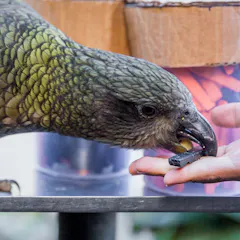
Kea were able to correctly guess the most probable scenarios, by evaluating various physical and social cues. Previously, only great apes and humans were known to be able to understand probability.
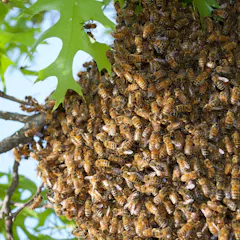
A swarm of honeybees can provide valuable lessons about how a group of many individuals can work together to accomplish a task, even with no one in charge. Roboticists are taking notes.

A quirk of psychology that affects the way people learn from others may have helped unlock the complicated technologies and rituals that human culture hinges on.
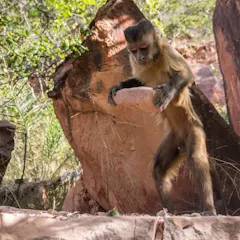
Capuchin monkeys in Brazil use big stones to crush the shells of nuts they want to eat. An experiment in the field investigated how these monkeys prepare to use new, unfamiliar tools.
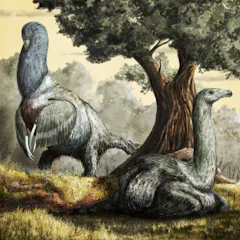
New research suggests some dinosaurs buried and protected eggs in groups.
Top contributors
-

Associate Professor, School of Animal and Veterinary Science, Adelaide University
-
Principal Lecturer in Wildlife Conservation, Nottingham Trent University
-
Professor Emeritus of Behavioral Pharmacology and Animal Behavior, Cummings School of Veterinary Medicine, Tufts University
-
Affiliate Faculty in Fish, Wildlife and Conservation Biology, Colorado State University
-
Research Fellow, School of Biological Sciences, Monash University
-
Staff Scientist, Smithsonian Tropical Research Institute, Smithsonian Institution
-
Senior Lecturer in Zoology, Bangor University
-
Senior Lecturer in Animal Science, Nottingham Trent University
-
Adjunct Assistant Professor, University of Wyoming
-
Postdoctoral research fellow, German Centre for Integrative Biodiversity Research
-
Emeritus Professor in Animal Behaviour, University of New England
-
Professor and Associate Head of Psychology, University of Tennessee
-
Professor of Ecology and Evolutionary Biology, Institute of the Environment and Sustainability, University of California, Los Angeles
-
Professor of Neuroscience, Cognition and Behavior, University of San Diego
-
Researcher, Animal Behaviour, Welfare and Anthrozoology Lab, Adelaide University