
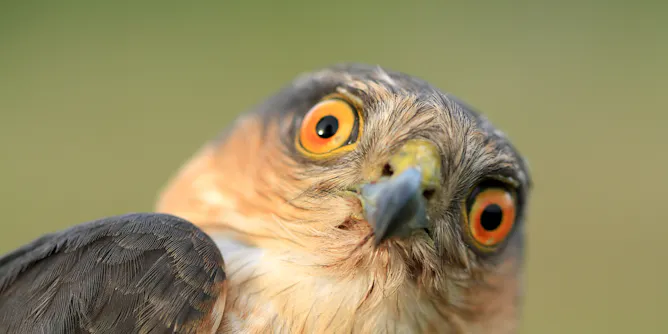
Some bird keepers have tried to drug their animals to stop them engaging in solo sex.
Articles on Animal behavior
Displaying 1 - 20 of 126 articles
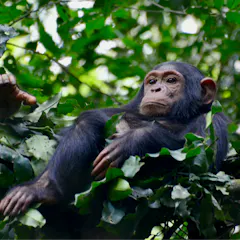
Chimps build a new nest every night – but how they choose what to build and where is surprisingly complicated.
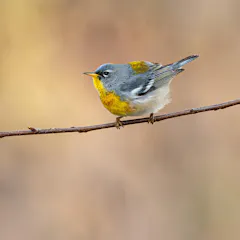
Males aren’t the only angry birds defending their territory. A clever test finds which songbirds step up to fight off intruders and the role monogamy plays.
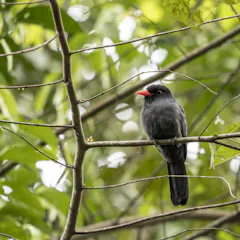
When a bird of prey comes calling, a multi-species wave of alarm goes rippling through the rainforest canopy.

Many aspects of animals that people find beautiful evolved to be attractive to the animals themselves. A new study hints at a common aspect of perception that dates back hundreds of millions of years.
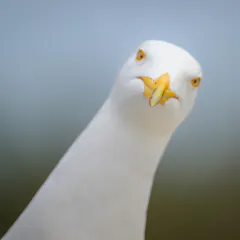
New research shows that displaying a pair of eyes on food packaging can be enough to stop some gulls pinching your food.

Being left- or right-handed – and the paw, eye, fin and wing equivalents – is a product of genes, development and the environment.
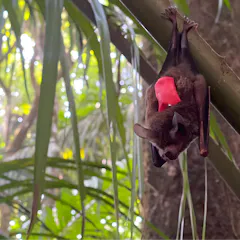
By listening in on their nightly hunts, scientists discovered that small, fringe-lipped bats are unexpectedly able to efficiently take down prey nearly their own size.
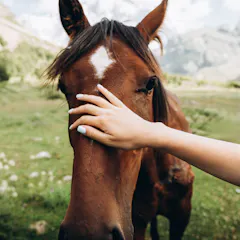
Science now suggests this may be closer to the truth than researchers originally thought
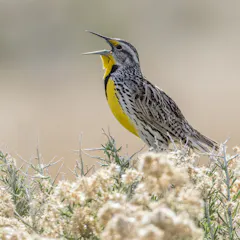
Listening to bird songs and calls can help identify species and connect with the sounds of nature. An ornithologist provides tips and tricks to bird by ear.
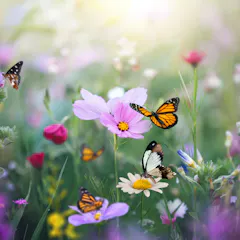
Uniquely colored flowers with big blooms might make for an aesthetically pleasing garden, but they can be unhelpful to pollinators. Careful consideration can help you plan a colorful and eco-friendly garden.
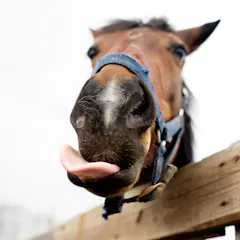
The study has created a catalogue of horse facial expressions to help people understand how to read these incredible animals.
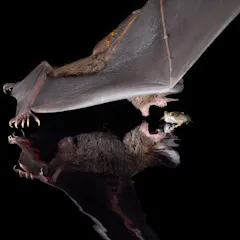
By listening to a frog call, adult bats can tell which prey are palatable and which are poisonous. Young bats must acquire this ability over time.

Exhaustion. Sleep deprivation. Feeling depressed and guilty. Lingering doubts and regret. If you’ve had a puppy, this may all sound grimly familiar.
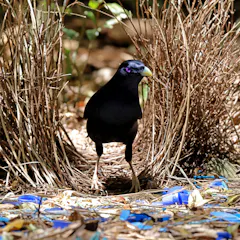
Without being able to get into the heads of animals, it’s hard to say for sure. But instances of pig painters, whale crooners and bird sculptors certainly make it seem plausible.
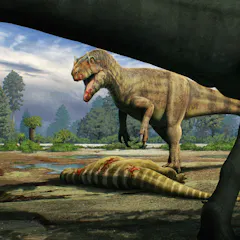
If we struggle to work out what the whole animal looked like most of the time, how can we begin to piece together their lives and how they behaved?
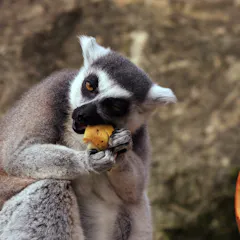
Animals can be born with genetic or developmental issues that make it hard for them to live normal lives. They also can develop mental health problems in response to conditions around them.
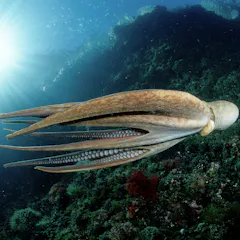
Animal welfare laws don’t protect invertebrates, but there’s evidence that some, such as octopuses, are as intelligent as many mammals – even if their cognition takes very different forms.
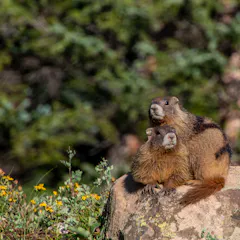
New research finds that marmots who experience adversity early in life have a lesser chance of survival.
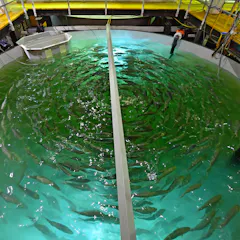
Many sea creatures lead complex, social lives in the wild and are likely to suffer in farmed conditions. But they aren’t mainstays of the aquaculture industry − yet.
Top contributors
-

Associate Professor, School of Animal and Veterinary Science, Adelaide University
-
Principal Lecturer in Wildlife Conservation, Nottingham Trent University
-
Professor Emeritus of Behavioral Pharmacology and Animal Behavior, Cummings School of Veterinary Medicine, Tufts University
-
Affiliate Faculty in Fish, Wildlife and Conservation Biology, Colorado State University
-
Research Fellow, School of Biological Sciences, Monash University
-
Staff Scientist, Smithsonian Tropical Research Institute, Smithsonian Institution
-
Senior Lecturer in Zoology, Bangor University
-
Senior Lecturer in Animal Science, Nottingham Trent University
-
Adjunct Assistant Professor, University of Wyoming
-
Postdoctoral research fellow, German Centre for Integrative Biodiversity Research
-
Emeritus Professor in Animal Behaviour, University of New England
-
Professor and Associate Head of Psychology, University of Tennessee
-
Professor of Ecology and Evolutionary Biology, Institute of the Environment and Sustainability, University of California, Los Angeles
-
Professor of Neuroscience, Cognition and Behavior, University of San Diego
-
Researcher, Animal Behaviour, Welfare and Anthrozoology Lab, Adelaide University