
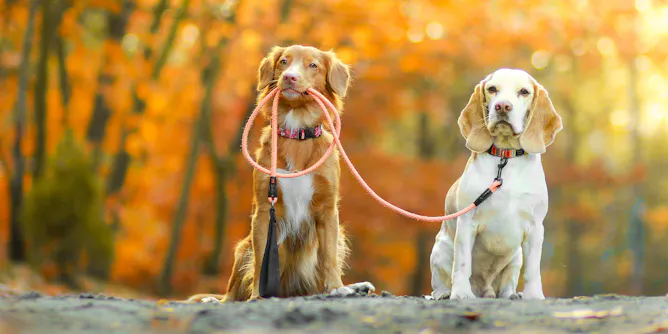
The old UK dog licence system wasn’t fit for purpose. But there is another way.
Articles on Animal behavior
Displaying 61 - 80 of 126 articles

The only other species known to do this are humans and chimpanzees.
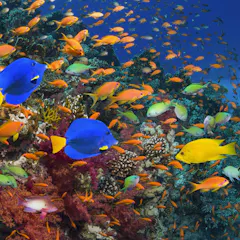
Scientists are learning that diversity has many perks – whether in multispecies groups of animals or human society.
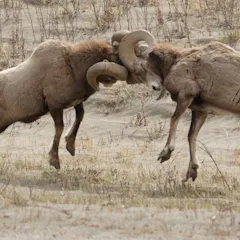
Life can be a struggle for power – not just for people but for nonhuman animals, too. An animal behaviorist explains how this quest can be more Shakespearean drama than boxing match.
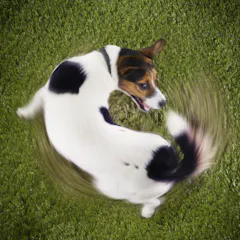
A proposed scientific name is frenetic random activity periods (FRAPs). In rabbits, these high activity periods are called ‘binkies’. But many cat and dog-owners simply call them ‘zoomies’.
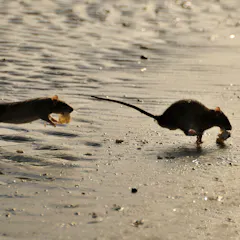
Rats are disrupting the flow of nutrients towards the sea on many tropical islands – this has consequences for fish behaviour and the wider ecosystem.

Artificial lighting from cities illuminates coastal waters and can change the physiology and behaviour of marine organisms.
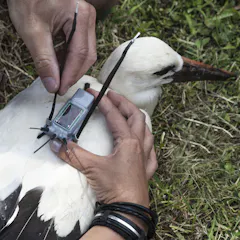
Scientists use biologging devices to track animal behaviour – here are four times where it has improved our understanding of nature.

A scholar of law and humanities compares bans on dogs with any pit bull genes to “one drop” laws that once classified people with even a single Black ancestor as Black.
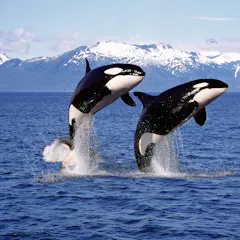
Friendships are formed all across the animal kingdom and the ways in which they resemble human ones may surprise you.

Plus how to train your cat to settle in its carrier in five easy steps.
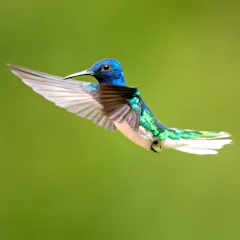
Narwhals, hummingbirds and the Asian sheepshead wrasse have opened scientists’ eyes to the complexity of nature.

Dog bites are a serious public health problem but we’re going the wrong way about tackling it.
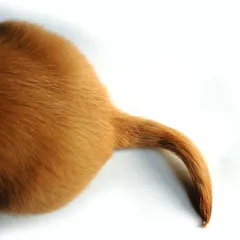
An anthropologist explains some of the many ways animals use their tails, from balancing as they walk to attracting a mate.

It is the oldest and most prolific cancer known in nature.

The recent goring of a tourist who approached within 10 feet of a bison in Yellowstone National Park is a reminder that wild animals can be dangerous and people should keep safe distances.

The miniature brains of honeybees were able to understand the concepts of odd and even, despite only having 960,000 neurons (compared to 86 billion in humans).

Researchers have discovered that great white sharks are more social than previously thought. Using specialized tags, they tracked six sharks and found that some stay close to each other when hunting.
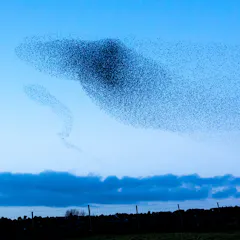
These coordinated movements of a flock of starlings follow no plan or leader. Scientists used to think the animals must communicate via ESP to create these fast-moving blobs.
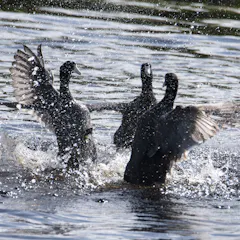
Birds will shriek and dive at each other over food, territory or mates, but only a small number of species sport actual weapons. The reason: Flying matters more for their survival than fighting.
Top contributors
-

Associate Professor, School of Animal and Veterinary Science, Adelaide University
-
Principal Lecturer in Wildlife Conservation, Nottingham Trent University
-
Professor Emeritus of Behavioral Pharmacology and Animal Behavior, Cummings School of Veterinary Medicine, Tufts University
-
Affiliate Faculty in Fish, Wildlife and Conservation Biology, Colorado State University
-
Research Fellow, School of Biological Sciences, Monash University
-
Staff Scientist, Smithsonian Tropical Research Institute, Smithsonian Institution
-
Senior Lecturer in Zoology, Bangor University
-
Senior Lecturer in Animal Science, Nottingham Trent University
-
Adjunct Assistant Professor, University of Wyoming
-
Postdoctoral research fellow, German Centre for Integrative Biodiversity Research
-
Emeritus Professor in Animal Behaviour, University of New England
-
Professor and Associate Head of Psychology, University of Tennessee
-
Professor of Ecology and Evolutionary Biology, Institute of the Environment and Sustainability, University of California, Los Angeles
-
Professor of Neuroscience, Cognition and Behavior, University of San Diego
-
Researcher, Animal Behaviour, Welfare and Anthrozoology Lab, Adelaide University