
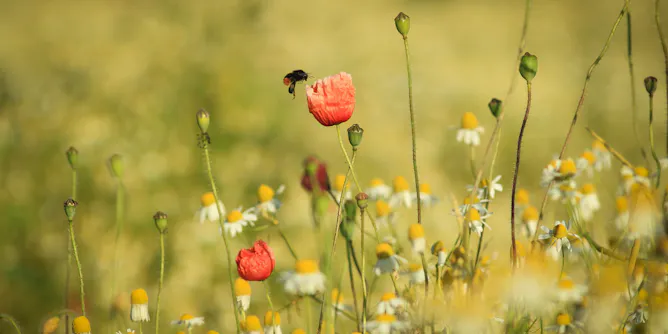
Context, perceptions and expectations affect the choices both bees and people make.
Articles on Animal behavior
Displaying 21 - 40 of 126 articles
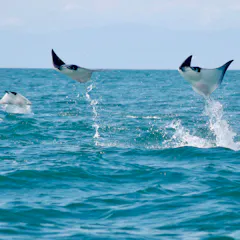
Breaching is one of the most spectacular behaviors among marine animals. A recent review shows that many shark and ray species breach, and identifies the most commonly hypothesized reasons.
About 80% of dogs and 40% of cats will fetch, a new study finds. Domesticating turned these carnivores’ hunting methods into a game.
Reduced to its essence, the process of natural selection would look a lot like play.

In some of the most remote places on Earth, tags attached to seals collect data at the cutting edge of ocean science.
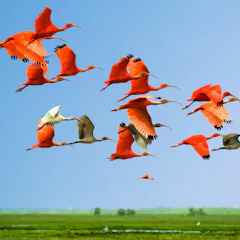
The story of a cutting edge science project, in which solar-powered trackers map the movements of creatures, brims with charming anecdotes, serial frustrations and ‘blue sky’ plans.

Humans aren’t the only animals that have names for each other − and studying animals that use names can teach researchers more about how human names evolved.
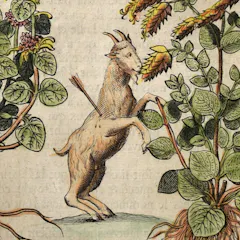
Humans have watched and learned from animals who treat their ills with bioactive plants. This animal wisdom has a scientific name: zoopharmacognosy.

When resources are tight, mothers bear the costs of playing with their offspring even as they avoid socializing with others.
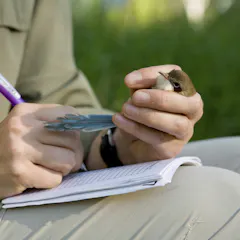
Like all people, the way scientists see the world is shaped by biases and expectations, which can affect how they record and report. Rigorous research methods can minimize this effect.
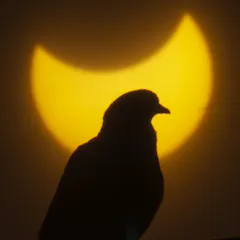
Since an eclipse only lasts a few minutes, you need more than just a handful of scientists running around collecting data on bird activity. That’s where a new app comes in.
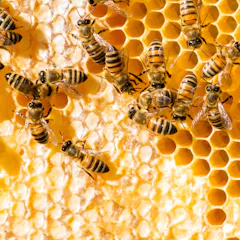
What makes us human? Greek and Roman thinkers were preoccupied with this question. And some of their observations of animals foreshadowed recent findings in the behavioural sciences.
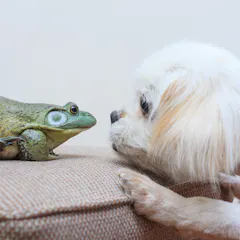
Questions about how to ethically train different kinds of pets depend on the nature of those animals’ inner lives and their abilities to learn.
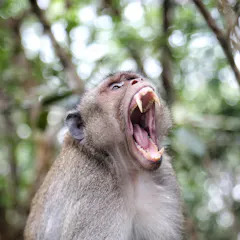
Tourists can do a number of things to avoid dangerous encounters with monkeys.
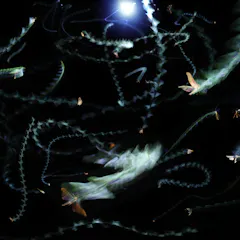
A new study shows how artificial light at night scrambles insects’ normal flight patterns, pulling them off course into orbit around the light.

There are simple explanations for what may seem like complex behaviours in dogs.
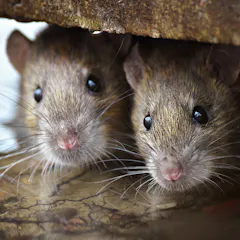
Rats are well known to cause problems for humans. But we need a new approach to our relationship with them.

Rapidly changing temperatures and sensory environments are challenging the nervous systems of many species. Animals will be forced to evolve to survive.
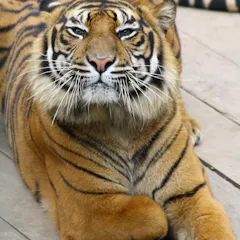
When wild animals survive the initial trauma, blood loss and infection risk without medical help, it’s astonishing that they can adapt to life with three limbs.
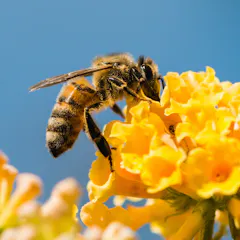
You’re a bee, and your favourite flower is out of nectar. What do you do?
Top contributors
-

Associate Professor, School of Animal and Veterinary Science, Adelaide University
-
Principal Lecturer in Wildlife Conservation, Nottingham Trent University
-
Professor Emeritus of Behavioral Pharmacology and Animal Behavior, Cummings School of Veterinary Medicine, Tufts University
-
Affiliate Faculty in Fish, Wildlife and Conservation Biology, Colorado State University
-
Research Fellow, School of Biological Sciences, Monash University
-
Staff Scientist, Smithsonian Tropical Research Institute, Smithsonian Institution
-
Senior Lecturer in Zoology, Bangor University
-
Senior Lecturer in Animal Science, Nottingham Trent University
-
Adjunct Assistant Professor, University of Wyoming
-
Postdoctoral research fellow, German Centre for Integrative Biodiversity Research
-
Emeritus Professor in Animal Behaviour, University of New England
-
Professor and Associate Head of Psychology, University of Tennessee
-
Professor of Ecology and Evolutionary Biology, Institute of the Environment and Sustainability, University of California, Los Angeles
-
Professor of Neuroscience, Cognition and Behavior, University of San Diego
-
Researcher, Animal Behaviour, Welfare and Anthrozoology Lab, Adelaide University