
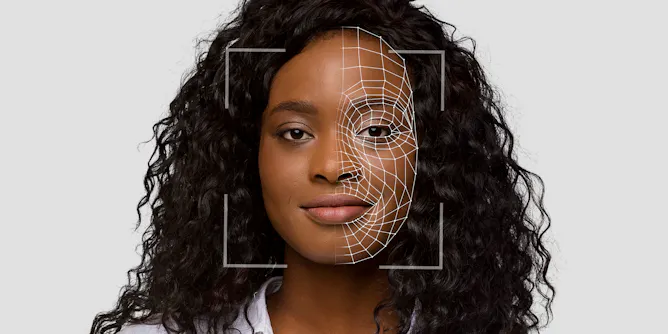
Data used to train AI systems often reflects the racism inherent in society.
Articles on Algorithmic bias
Displaying 21 - 40 of 83 articles

Reform for artificial intelligence is urgent. If we cut through the hype and self-interest, Australian law can promote responsible and safe AI.
The Federal Trade Commission’s investigation of ChatGPT maker OpenAI shows that the US government is beginning to get serious about regulating AI.
Large language models have been shown to ‘hallucinate’ entirely false information, but aren’t humans guilty of the same thing? So what’s the difference between both?

Biased algorithms in health care can lead to inaccurate diagnoses and delayed treatment. Deciding which variables to include to achieve fair health outcomes depends on how you approach fairness.

Wall Street’s history of embracing high-speed algorithmic trading suggests ChatGPT will pose similar – if bigger – risks to financial markets.
One researcher’s experience from a quarter-century ago shows why bias in AI remains a problem – and why the solution isn’t a simple technical fix.

AI algorithms reinforce existing biases. Before they are introduced as routine tools in clinical care, we must establish ethical guidelines to reduce the risk of harm.

Powerful new AI systems could amplify fraud and misinformation, leading to widespread calls for government regulation. But doing so is easier said than done and could have unintended consequences.

What data privacy risk does TikTok pose, and what could the Chinese government do with data it collects? And is it even possible to ban an app?
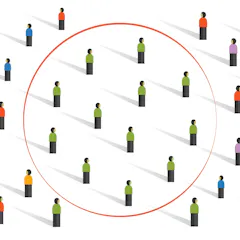
The political content in our personal feeds not only represents the world and politics to us. It creates new, sometimes “alternative”, realities.

Searching the web with ChatGPT is like talking to an expert – if you’re OK getting a mix of fact and fiction. But even if it were error-free, searching this way comes with hidden costs.
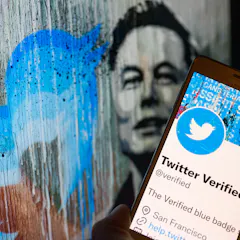
The intersection of content management, misinformation, aggregated data about human behavior and crowdsourcing shows how fragile Twitter is and what would be lost with the platform’s demise.

Having the ability to decide either to do something or not, and to act accordingly, is a basic definition of freedom. Smart buildings challenge this freedom.

The use of unreliable, discriminatory automated recruitment tools is on the rise – and they’re completely unregulated.

A wealth of research on social media shows that COVID-19 misinformation is damaging to public health.
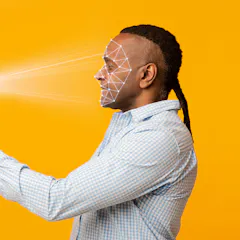
Many AI algorithms, like facial recognition software, have been shown to be discriminatory to people of color, especially those who are Black.
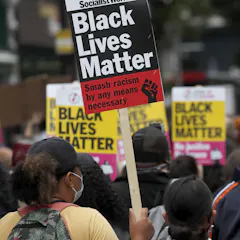
Digital activists are targeted for their work on intersectional issues. But they have developed strategies to deal with online and offline hate.
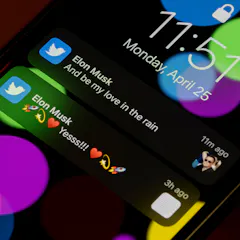
There’s a tension between facilitating free and fair debate on social media, and businesses’ bottom line. And it must be resolved with the public interest in mind.

Google search algorithms often pull up misleading descriptors for controversial people, and results can differ across languages. Understanding how these algorithms function can address misinformation.
Top contributors
-

Professor of Information Systems, Michigan State University
-
Professor of Information Science, University of Washington
-
Professor of Informatics and Computer Science, Indiana University
-
Professor of English, Macalester College
-
Senior lecturer in Law, Brunel University of London
-
Assistant Professor of Communication, University of Arizona
-
Adjunct Associate Professor, School of Social Sciences, Linguistics, The University of Western Australia
-
Postdoctoral Researcher in Data Science, University of Oxford
-
Kyle Webster has just completed an internship in the Office of the Prime Minister’s Chief Science Advisor, focussing on Artificial Intelligence. , University of Auckland, Waipapa Taumata Rau
-
Senior Lecturer in Philosophy, University of the Witwatersrand
-
Associate Professor of Industrial & Manufacturing Engineering and Computer Science & Engineering, Penn State
-
Senior Research Fellow, Applied Ethics Center, UMass Boston
-
Ph.D. Student in Linguistics & Germanic, Slavic, Asian and African Languages, Michigan State University
-
Professor, Real Estate, Université du Québec à Montréal (UQAM)
-
Professor of Information Technology and Organisation, University of Sydney