
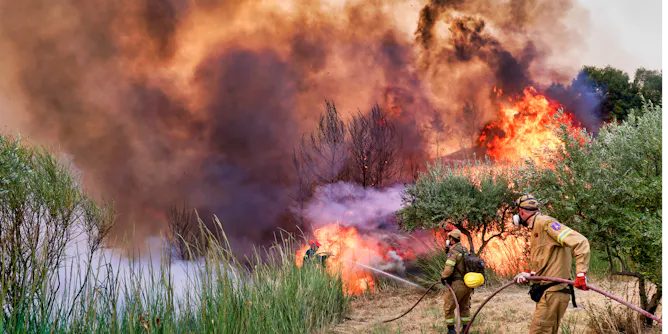
Atmospheric dust storms often follow wildfires and have serious impacts on human health and ecology.
Articles on Algal bloom
Displaying 21 - 31 of 31 articles
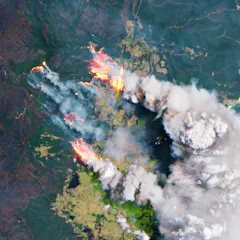
This enormous, unprecedented algal bloom could have profound implications for carbon dioxide levels in the atmosphere and for the marine ecosystem.
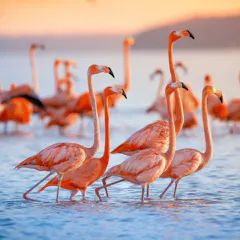
The lives of one in ten of Earth’s species are connected to lakes and their tributaries.
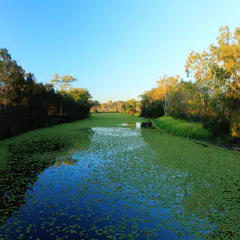
A toxic chemical produced by algae and linked to motor neuron disease has been detected in NSW rivers. Its presence - long suspected but now confirmed - could be linked to a disease hotspot in the Riverina.
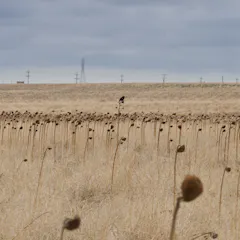
We think of Canada as a water-rich country, but we are not immune to water shortages or disasters. With some advance planning, Canada can avoid a water catastrophe.

The possible culprits are: a sudden algae bloom; a change in pool alkalinity; or a chemical reaction in the water. How do these cause a change in the colour of the water?

Toxic algae blooms like the intense one now fouling Florida’s waterways harm wildlife and people in various ways. They’re also on the rise.

They give us part of the air we breathe but microscopic phytoplankton can also be toxic. They are also on the move thanks to climate change so a new Australian database hopes to monitor any changes.

Toxic algal blooms were unheard of in Australia’s major waterways before 1991. Now the Murray River has been struck by four major events in less than a decade, with more likely in the future.
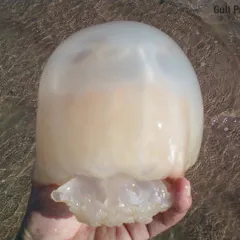
In a changing climate, ocean populations sometimes rise and fall in unpredictable waves. Scientists, managers and fishers must make economically and ecologically sound decisions based on long-term outlooks.
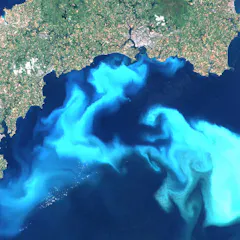
Algae isn’t just found in your garden pond or local river. Sometimes it explodes into vast “blooms” far out to sea, that can be the size of a small country. Such algal blooms can match even a rainforest…
Top contributors
-

Postdoctoral researcher, marine ecology, Adelaide University
-
Chancellor's Postdoctoral Research Fellow, School of Life Sciences, University of Technology Sydney
-
Associate Professor and Marine Ecologist, Adelaide University
-
Professor; Faculty of Science, University of Technology Sydney
-
Professor, Sustainable Marine Futures, Environment Institute, Adelaide University
-
Adjunct professor, University of Tasmania
-
PhD Candidate, University of Technology Sydney
-
Assistant Professor, School of Energy, Geoscience, Infrastructure and Society // CEO MarFishEco Fisheries Consultant Ltd, Heriot-Watt University
-
Research Associate, Faculty of Science, University of Technology Sydney
-
Associate professor, University of Sydney
-
Oceanógrafo, Barcelona Supercomputing Center-Centro Nacional de Supercomputación (BSC-CNS)
-
Associate Professor, School of Chemistry and Molecular Biosciences, The University of Queensland
-
Senior Scientist, Department of Plant Sciences, Weizmann Institute of Science
-
Professor, Institute for Marine and Antarctic Studies, University of Tasmania
-
Professor, Department of Earth and Planetary Sciences, Weizmann Institute of Science