
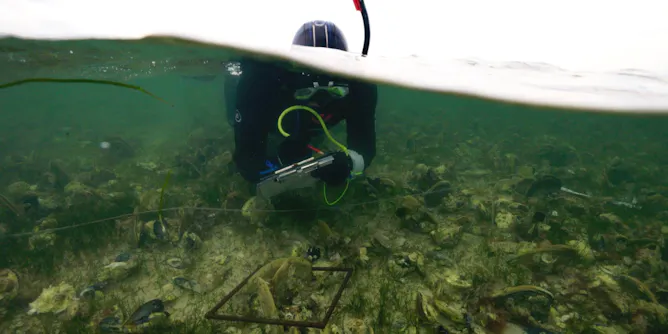
The persistent harmful algal bloom in South Australia is an opportunity to experiment with solutions, but the best approach is helping nature to help itself.
Articles on Harmful algal bloom
Displaying all articles

The SA government has convened an emergency meeting today to discuss taking cuttlefish eggs from the wild, due to the impending threat of the algal bloom which could wipe them out forever.
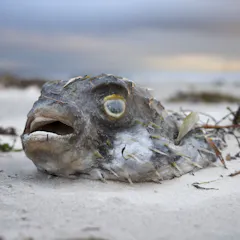
Preliminary results from computer modelling suggests the harmful algal bloom that has been killing marine life will return with a vengeance after winter and spread.
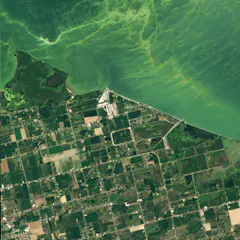
The blooms have become an annual problem in the Great Lakes. DNA studies show what’s growing there and why it’s dangerous.

The algal bloom in SA is a warning to coastal communities, as well as tourism, seafood and aquaculture industries. It’s a sign of what’s to come as the oceans warm.
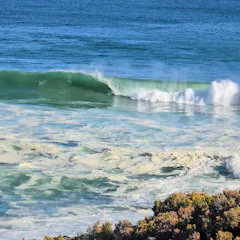
A harmful algal bloom of Karenia mikimotoi made dozens of surfers sick and killed seadragons, fish and octopuses on two South Australian beaches.

Blue, green orange, brown − water comes in many colors, depending on what’s in it.

Manatees along Florida’s coast are eating less seagrass and more algae than they did a few decades ago. This dietary shift could pose a new threat to the survival of the beloved species.
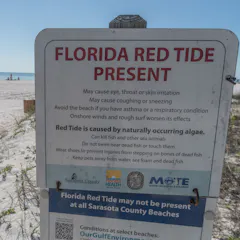
The tiny organisms that cause harmful blooms of algae can have a big impact on your trip to the shore. A toxicologist explains what causes these events and how to keep people and pets safe.
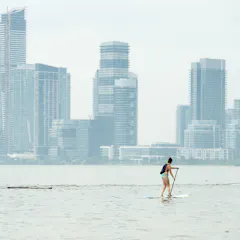
Shoreline communities are already faltering under the weight of billions of dollars in damages — and worrying that climate change will continue to make things even worse.

A networked array of sensors could warn drinking water utilities in real time of harmful algal blooms and prevent public health crises.
Top contributors
-

Director and Professor, Great Lakes Institute for Environmental Research, University of Windsor
-
Professor Emeritus of Chemical and Biological Engineering, Biomedical Engineering, and Public Health, Colorado State University
-
Assistant Professor, Faculty of Law, University of Windsor
-
Visiting Scholar, Great Lakes Institute for Environmental Research, University of Windsor
-
Research Scientist, Florida International University
-
Assistant Professor of Engineering, Wake Forest University
-
Chancellor's Postdoctoral Research Fellow, School of Life Sciences, University of Technology Sydney
-
Professor; Faculty of Science, University of Technology Sydney
-
PhD Candidate, School of Public Health, Adelaide University
-
Professor of Biology, University of Michigan
-
Adjunct professor, University of Tasmania
-
Associate Professor and Marine Ecologist, Adelaide University
-
Postdoctoral researcher, marine ecology, Adelaide University
-
Distinguished Research Professor and Director, Great Lakes Center for Fresh Waters and Human Health, Bowling Green State University
-
Professor, Sustainable Marine Futures, Environment Institute, Adelaide University