
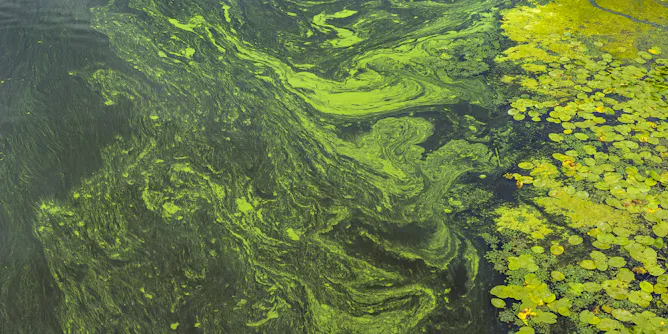
Two million people drink water from the Waikato. But the river is degrading as pollution and invasive clams spread faster than monitoring protocols can detect.
Articles on Toxic algal blooms
Displaying all articles
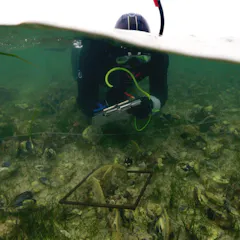
The persistent harmful algal bloom in South Australia is an opportunity to experiment with solutions, but the best approach is helping nature to help itself.

The SA government has convened an emergency meeting today to discuss taking cuttlefish eggs from the wild, due to the impending threat of the algal bloom which could wipe them out forever.
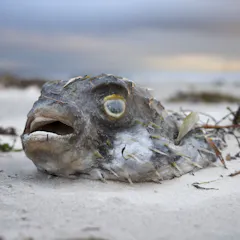
Preliminary results from computer modelling suggests the harmful algal bloom that has been killing marine life will return with a vengeance after winter and spread.

The algal bloom in SA is a warning to coastal communities, as well as tourism, seafood and aquaculture industries. It’s a sign of what’s to come as the oceans warm.
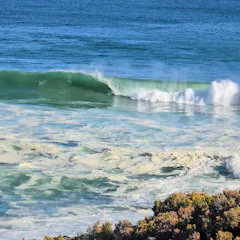
A harmful algal bloom of Karenia mikimotoi made dozens of surfers sick and killed seadragons, fish and octopuses on two South Australian beaches.
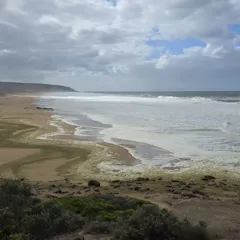
Sea foam is a health hazard. These bacterial smoothies can contain more harmful pathogens than a sewage treatment plant – and you wouldn’t go swimming in sewage.

Algal blooms are typically associated with summer weather but warmer winters caused by climate change are resulting in blooms appearing more frequently, and for longer periods.
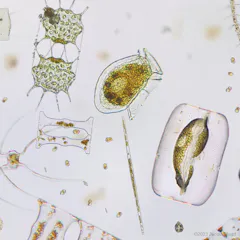
As the ocean warms, toxic algal blooms are on the rise in the waters off New Zealand, causing the highest number of shellfish harvest closures in a decade.
Top contributors
-

Scientist in Shellfish and Algal Biology, Cawthron Institute
-
Scientist in Algal Ecology, Cawthron Institute
-
Knowledge Mobilization Specialist, Water Institute, University of Waterloo
-
Professor and Tier I Canada Research Chair of Global Water Sustainability and Ecohydrology, University of Waterloo
-
Associate Professor in Microbiology, University of the Sunshine Coast
-
Professor; Faculty of Science, University of Technology Sydney
-
Chancellor's Postdoctoral Research Fellow, School of Life Sciences, University of Technology Sydney
-
PhD Candidate, School of Public Health, Adelaide University
-
Adjunct professor, University of Tasmania
-
Associate Professor and Marine Ecologist, Adelaide University
-
Professor, Sustainable Marine Futures, Environment Institute, Adelaide University
-
Postdoctoral researcher, marine ecology, Adelaide University
-
Adjunct Associate Professor in Freshwater Biogeochemistry, Lincoln University, New Zealand