
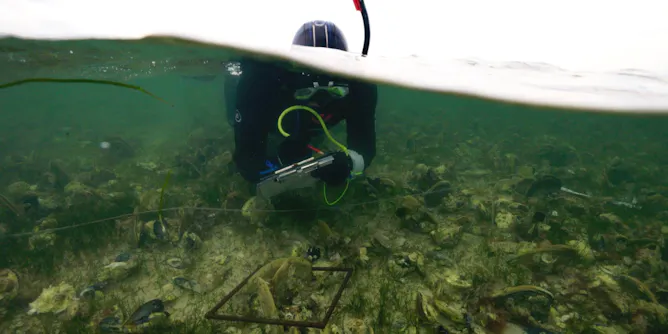
The persistent harmful algal bloom in South Australia is an opportunity to experiment with solutions, but the best approach is helping nature to help itself.
Articles on Algal blooms
Displaying all articles

The SA government has convened an emergency meeting today to discuss taking cuttlefish eggs from the wild, due to the impending threat of the algal bloom which could wipe them out forever.
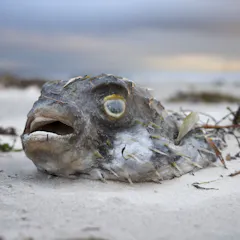
Preliminary results from computer modelling suggests the harmful algal bloom that has been killing marine life will return with a vengeance after winter and spread.

The algal bloom in SA is a warning to coastal communities, as well as tourism, seafood and aquaculture industries. It’s a sign of what’s to come as the oceans warm.
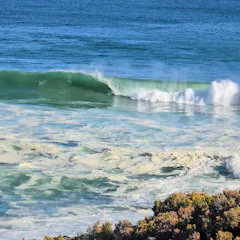
A harmful algal bloom of Karenia mikimotoi made dozens of surfers sick and killed seadragons, fish and octopuses on two South Australian beaches.
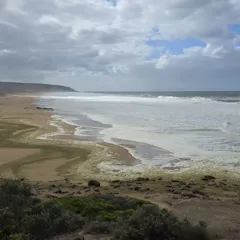
Sea foam is a health hazard. These bacterial smoothies can contain more harmful pathogens than a sewage treatment plant – and you wouldn’t go swimming in sewage.
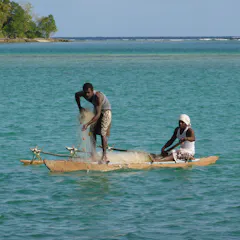
Ambae islanders combine their ecological observations with scientific data to develop an early-warning system to predict where and when fish become contaminated.

Algal blooms are typically associated with summer weather but warmer winters caused by climate change are resulting in blooms appearing more frequently, and for longer periods.

The spectacular landscapes and pristine waters of the north shore of Lake Superior, which once provided inspiration for the Group of Seven, are now vulnerable to algal blooms.
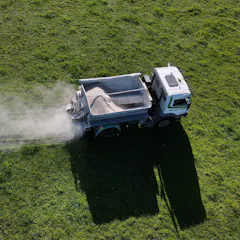
Only about 61% of dairy farm operators had reported their use of synthetic nitrogen a year after reporting rules came into force.
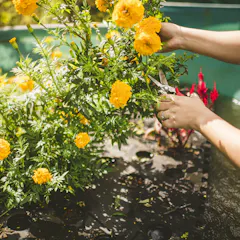
Phosphorus and nitrogen contribute to water pollution and cause harmful algal blooms. New research shows how mats of floating flower beds can take advantage of these nutrients while cleaning the water.
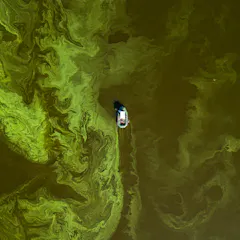
Windermere has seen extensive algal blooms, attracting attention over its ecological consequences. But this is nothing new.
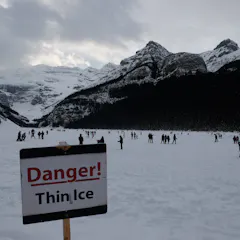
Lakes in the northern hemisphere are rapidly losing their ice cover due to rising greenhouse gas emissions. The only way to preserve lake ice is to limit GHG emissions and slow down climate change.
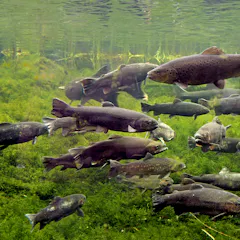
The growing frequency of climate extremes affected human health and caused wide-scale damages to the ecosystems that people depend upon, including agriculture, fisheries and freshwater.
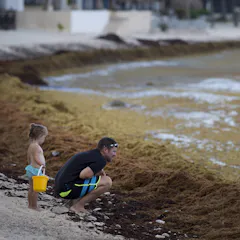
The consequences of a massively connected globe are real — and not limited to disease pandemics.

When we build marinas, ports, jetties and coastal defences we introduce hard structures that weren’t there before, and which reduce the amount of sunlight hitting the water.

The possible culprits are: a sudden algae bloom; a change in pool alkalinity; or a chemical reaction in the water. How do these cause a change in the colour of the water?

Toxic algae blooms like the intense one now fouling Florida’s waterways harm wildlife and people in various ways. They’re also on the rise.
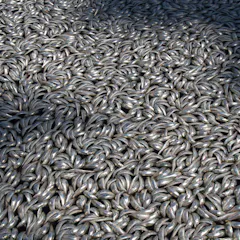
The oxygen is being sucked out of the ocean, and while much of it is happening far below the surface, it will still affect us above.

Low oxygen levels in the oceans can dramatically change the community of organisms that live there – but new techniques to re-introduce oxygen have given a breath of life to a Swedish fjord.
Top contributors
-

Professor and York University Research Chair in Global Change Biology; Director of the United Nations Institute for Training and Research Global Water Academy, York University, Canada
-
Reader and NERC Independent Research Fellow, Bangor University
-
Associate Professor of Biological Oceanography, University of South Florida
-
Professor, Marine Evolutionary Ecology, Monash University
-
Distinguished University Professor and Canada Research Chair in Environmental Change, Queen's University, Ontario
-
Professor and Head, School of Biological Sciences, Monash University
-
ARC DECRA Fellow, RMIT University
-
Full Professor, Biology, University of Guelph
-
Administration Manager, Monash University
-
Morgan Foundation Senior Research Fellow in Freshwater Ecology and Environmental Science, Te Herenga Waka — Victoria University of Wellington
-
Prize Fellow in Water Engineering, Architecture and Civil Engineering Department, University of Bath
-
Professor of Agroecology, Florida International University
-
Post Doctoral Associate in the Institute of Environment, Florida International University
-
Visiting Scholar, Te Herenga Waka — Victoria University of Wellington
-
Associate Professor, University of Southern Denmark