
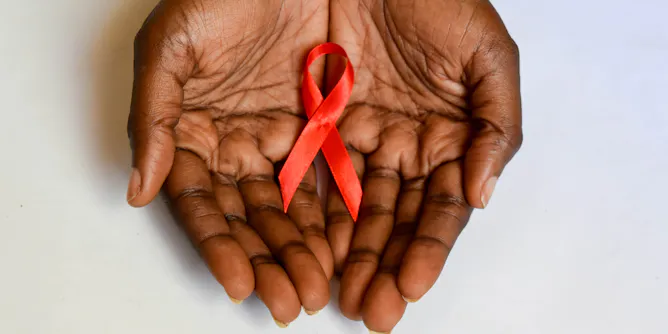
Cryptococcal ceningitis is one of the main causes of death of people with HIV. The tests and medicines to diagnose and treat it exist but remain inaccessible to most. A global strategy is needed.
Articles on #Aids40years
Displaying all articles
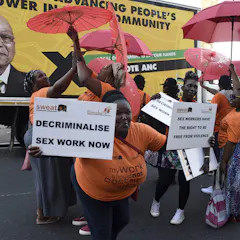
Narrow, unimaginative public health responses inhibit reducing HIV, exploitation and marginalisation within sex work.
The evidence shows that keeping girls in school not only reduces HIV risk, but also delays marriage and pregnancy, and improves mental health.
The HIV/AIDS response played out over a much longer trajectory than COVID-19. But it is, in some respects, a shining example of what can be achieved when countries and people work together.
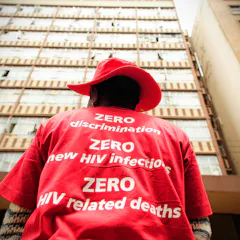
If the world is single-minded and focuses purely on combating one pandemic, forgetting others, the effects of other morbidity and mortality on healthcare systems will be seen for a long time to come.

One of the main challenges remains that diagnostics and drugs for people suffering from advanced HIV aren’t readily available. This group of people is vulnerable to deadly opportunistic infections.
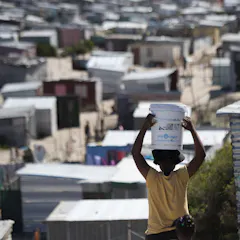
COVID-19 has stretched South Africa’s public health services to capacity. In response, the services have increased their capacity through innovation.
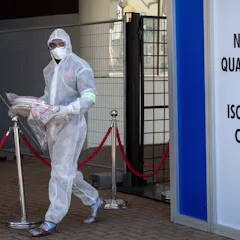
The redirection of resources to COVID-19 has enormous consequences for the provision of healthcare services for other diseases, in particular, HIV programmes.
Top contributors
-

Honorary Research Associate, Centre for Infectious Disease Epidemiology and Research, University of Cape Town
-
Post-doctoral reseacher, University of KwaZulu-Natal
-
Distinguished Professor, Infectious Disease and Oncology Research Institute, Faculty of Heath Sciences, University of the Witwatersrand, Executive Director Perinatal HIV Research Unit, Chief Scientific Officer, South African Medical Research Council
-
Professor of medicine and deputy director of the Desmond Tutu HIV Centre at the Institute of Infectious Disease and Molecular Medicine, University of Cape Town
-
Epidemiologist, University of Cape Town
-
Senior Research Associate in Sexual and Reproductive health, Manchester Metropolitan University
-
Associate Professor in the department of Global Health and Development , London School of Hygiene & Tropical Medicine
-
Head: Treatment Research in HIV and TB, Centre for the AIDS Program of Research in South Africa (CAPRISA)
-
Professor of Anthropology and Health, London School of Hygiene & Tropical Medicine
-
Research fellow, African Centre for Migration & Society, University of the Witwatersrand
-
Research Director at The Health Economics and HIV and AIDS Research Division (HEARD), University of KwaZulu-Natal
-
Perinatal HIV Research Unit, University of the Witwatersrand
-
Associate Professor and Director of the Centre for Infectious Diseases Epidemiology and Research, University of Cape Town
-
Deputy Director, Centre for the AIDS Program of Research in South Africa (CAPRISA)
-
Centre for the AIDS Program of Research in South Africa (CAPRISA)