
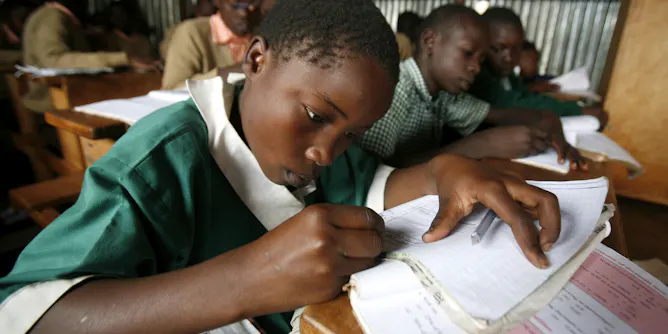
Do boys and girls from diverse cultural settings experience their transitions into adolescence? Their cultural differences don’t make a difference, but their genders do.
Articles on AIDS
Displaying 101 - 120 of 134 articles
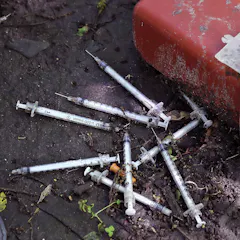
HIV, STIs and other dangerous infections are feeding off of the opioid epidemic, creating an even more complicated threat to public health.
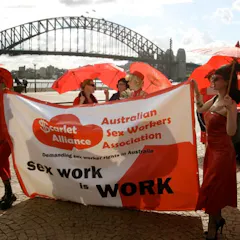
Full decriminalisation of sex work is advocated by many health and human rights organisations around the world. Sex workers in New South Wales kick-started the process 40 years ago.
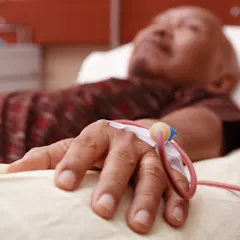
Why is it only some viruses are transmissible by blood, and how does the virus actually move from person to person?
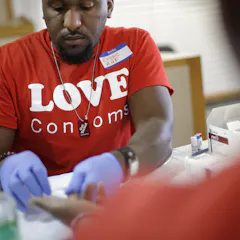
The number of new HIV-positive cases has sharply declined – in most parts of the country. Nonurban areas, particularly in the South, are showing sharp increases. Why?

Cultural portrayals of HIV and AIDS tend to be stuck in the past.

AIDS and HIV are still major health threats, fueled by poverty and discrimination as much as by the virus responsible for the infection.

As many as two-thirds of new infections of HIV are transmitted from main partners. Here’s why teaching couples to manage HIV in their relationships can make a difference.

When it comes to sexual health, public information has tended to focus on the young. Time for a change.
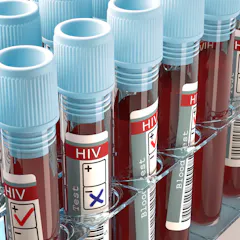
HIV diagnosis is devastating for patients and their families. But the infection is no longer a death sentence, and should not be prosecuted as such say experts.
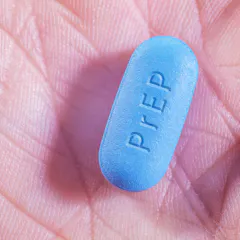
Efficacy is estimated to be as high as 99% in men who have sex with men who take Truvada daily.
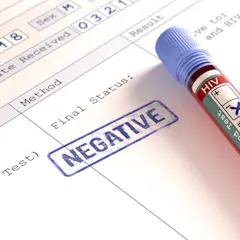
Curing HIV – or at least achieving long-term remission – is possible, under the right circumstances.

There are good reasons for drawing attention to “the end of AIDS” in Australia. But this needs to be read with caution.

A new animal study has shown injections of antibodies might protect against HIV infection, albeit for only a limited time.
After 35 years, AIDS has changed the way the globe thinks about health, culture, and politics.
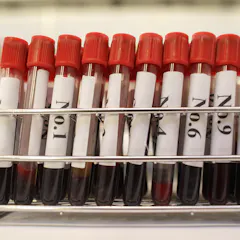
Despite the breakthroughs in HIV and AIDS research, without an effective vaccine, the world will not get to zero new infections and deaths.
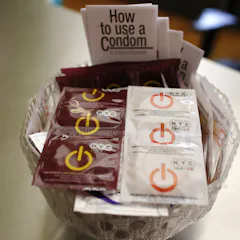
Used properly and consistently, condoms are the most effective, affordable, and low-tech way to prevent HIV. But unfortunately, condoms are not an easy option for everyone – particularly women.

HIV is still a major public health issue among the most at-risk groups, and efforts to tackle it need to get smarter.
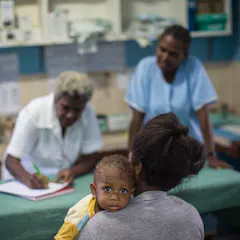
Health has secured its place as one of the 17 Sustainable Development Goals. But without clear mechanisms to report, finance or engage other sectors, could more end up as less?

Despite health promotion campaigns and a concerted effort to make antiretroviral therapy more accessible, the number of new HIV cases in Australia has remained stable over the last three years.
Top contributors
-

Professor of medicine and deputy director of the Desmond Tutu HIV Centre at the Institute of Infectious Disease and Molecular Medicine, University of Cape Town
-
Professor of Global Health and Director, O'Neill Institute, Georgetown University
-
Principal Research Fellow, Australian Research Centre in Sex, Health and Society, La Trobe University
-
Melbourne Laureate Professor, University of Melbourne; Director, The Peter Doherty Institute for Infection and Immunity
-
Director for basic and translational science, Africa Health Research Institute (AHRI)
-
Research Director at The Health Economics and HIV and AIDS Research Division (HEARD), University of KwaZulu-Natal
-
Associate Professor, Monash University
-
Professor of Gender Studies, Chair in Sex Media and Sex Cultures, Linköping University
-
Adjunct Associate Professor of Epidemiology, Columbia University
-
Associate Professor, Public Health Ethics, School of Population Health, UNSW
-
Assistant Professor of Nursing, University of Michigan
-
Professor, School of English and Theatre Studies, University of Guelph
-
Scientia Professor of Medicine and Director, Kirby Institute, UNSW
-
Associate Professor and Canada Research Chair in Global Perspectives in HIV and Sexual and Reproductive Health, Simon Fraser University
-
Senior Research and Teaching Fellow, School of Health, Te Herenga Waka — Victoria University of Wellington