
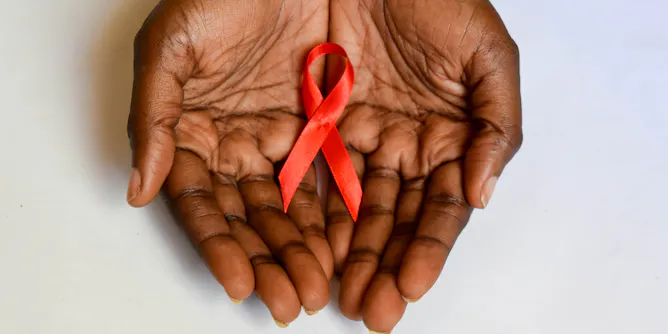
Most of the reasons people don’t take their medication aren’t related to the antiretrovirals themselves, but rather social and systemic issues.
Articles on AIDS
Displaying 81 - 100 of 134 articles
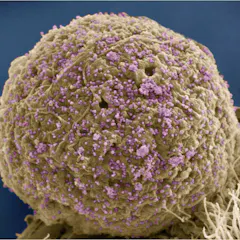
Headlines around the world declared that a second person was cured of their HIV. But while the results are encouraging, we’re a long way from a cure.
World AIDS Day is Dec. 1. With many advances in preventing and treating the disease, the disease has fallen from top of mind for many. An epidemiologist explains why that could be dangerous.

The tombstone, revolver and grim reaper imagery of the 1980s and early 1990s have cast a long shadow.

The leading causes of death in sub-Saharan Africa for adults 15 to 49 years were AIDS, tuberculosis, malaria, maternal disorders, and road injuries.

The stigma attached to HIV and AIDS, particularly in hip hop culture, is rife. The disease is represented poorly and often factually incorrect through lyrics.

Introducing viral load testing at health facilities can help South Africa reach the United Nations target to end AIDS.

Recently PrEP, an effective drug against HIV, was in the news with some concerns that gay men are no longer using condoms. But is the issue about condoms or control?

Travel allows us to see the world – and bring foreign diseases home. Here’s why spreading disease is easier than ever.
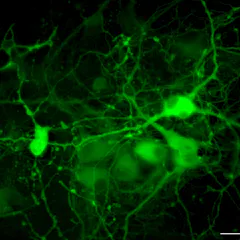
While drugs have been developed to treat HIV and AIDS, the virus can still lie dormant in the brain, increasing the risk for brain disease such as Parkinson’s and Alzheimer’s diseases.

Given the progress gay rights have made over the last 40 years, we might believe we live in queer friendly North America and that homophobia is dead. But it’s not. It is just in disguise.
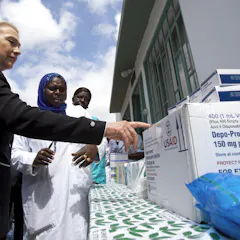
Using ‘humanized mice,’ researchers found more evidence that a widely used contraceptive may make women more susceptible to HIV infection.

Quit smoking, quit drinking – so many good resolutions for the New Year. But can the overabundance of messages on healthy living become counter-productive?
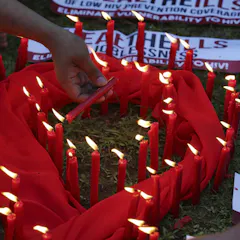
World AIDS Day is an opportunity to discuss how current medical inadmissibility rules for newcomers are out of touch with Canadian values and need to be reformed.

Three new HIV vaccine concepts which rely on high-tech designer proteins are being trialled to see if they can stop the virus.

HIV has no boundaries. Men and women in almost every country are affected. Yet strides have been made, so much so that many are able to think of living with AIDS rather than dying from it.
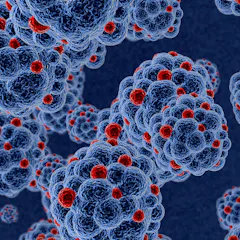
Understanding where there are high numbers of new HIV infections is important to establishing whether interventions are working or not.

Prime Minister Justin Trudeau plans to make a formal apology to LGBTQ2 communities for past state-sanctioned discrimination against them in Canada. But the apology must be more than just words.
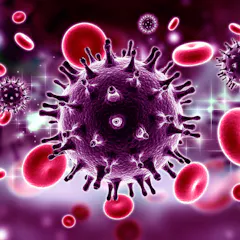
To get an effective vaccine for HIV/AIDS, scientists need to understand exactly how the virus works and immune system responds to it. African scientists have come one step closer.
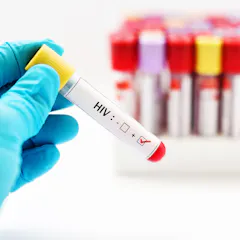
Rowe’s was a particularly harrowing case. But it raises important questions about broader attitudes to the virus.
Top contributors
-

Professor of medicine and deputy director of the Desmond Tutu HIV Centre at the Institute of Infectious Disease and Molecular Medicine, University of Cape Town
-
Professor of Global Health and Director, O'Neill Institute, Georgetown University
-
Principal Research Fellow, Australian Research Centre in Sex, Health and Society, La Trobe University
-
Melbourne Laureate Professor, University of Melbourne; Director, The Peter Doherty Institute for Infection and Immunity
-
Director for basic and translational science, Africa Health Research Institute (AHRI)
-
Research Director at The Health Economics and HIV and AIDS Research Division (HEARD), University of KwaZulu-Natal
-
Associate Professor, Monash University
-
Professor of Gender Studies, Chair in Sex Media and Sex Cultures, Linköping University
-
Adjunct Associate Professor of Epidemiology, Columbia University
-
Associate Professor, Public Health Ethics, School of Population Health, UNSW
-
Assistant Professor of Nursing, University of Michigan
-
Professor, School of English and Theatre Studies, University of Guelph
-
Scientia Professor of Medicine and Director, Kirby Institute, UNSW
-
Associate Professor and Canada Research Chair in Global Perspectives in HIV and Sexual and Reproductive Health, Simon Fraser University
-
Senior Research and Teaching Fellow, School of Health, Te Herenga Waka — Victoria University of Wellington