

With a potential ban of state regulation of AI soundly defeated, states are continuing to take the lead on protecting people from the technology’s potential harms – for now.
Articles on AI regulation
Displaying 21 - 40 of 67 articles

AI companies have plans for Australia’s economy, education system and infrastructure. They may not be in our best interest.

Democrats and Republicans alike have concerns about AI and want to see the rapidly developing technology regulated to protect the public.

Most New Zealanders are worried about AI, but the government’s new strategy has little to reassure them. Emulating the EUs approach to managing risk might help.
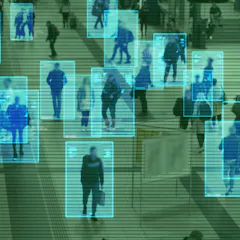
Rapid expansion raises concerns about who benefits and who bears the risks.
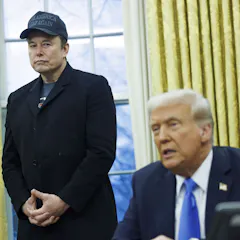
The new administration’s priorities are ‘dominance’ and economic return, but the EU balances these goals against consumer safety and privacy.
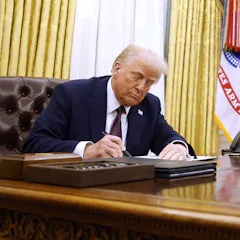
AI innovation and governance can coexist. The key is combining public-private partnerships, market audits and accountability.

AI systems that can autonomously make decisions on our behalf will be a huge time saver – but we must deploy them with care.

The Trump administration has different interests and priorities than those of the Biden administration for regulating technology. For some issues like AI regulation, big changes are on tap.

AI systems can appear to be black boxes – often, even experts don’t know how systems reach their conclusions. The nascent field of “explainable AI” aims to address this problem.

The damage AI algorithms cause is not easily remedied. Breaking algorithmic harms into four categories results in pieces that better align with the law and points the way to better regulation.

How people feel about AI’s involvement in social interactions as depicted in science fiction can help shape policy governing AI in public spaces, including AI for environmental learning.

Big tech and its high-tech products and services play an outsized role in the economy and society. The Trump and Biden-Harris records point to how the next administration might regulate technology.

Unlike other big tech companies, OpenAI is the for-profit subsidiary of a nonprofit overseen by the nonprofit’s board of directors. Many media outlets report that this arrangement could soon change.

If we want better oversight and accountability about how AI affects all our lives, we don’t have to start from scratch.

A growing number of people (mostly men) find AI relationship apps addictive and alluring. So what are the likely effects of this technology on us as human beings?

The federal government is encouraging more people to use artificial intelligence. But this blind hype dismisses the harms caused by the new technology.

A new safety standard and proposed guardrails for high-risk AI are a good start toward clearing up confusion around the latest technology.
The media landscape is rapidly changing – and everyone needs to know how to participate in it.
The Canadian government’s proposed legislation to regulate artificial intelligence doesn’t address the government’s own applications. More oversight and consultations are needed to protect Canadians.
Top contributors
-

Professor of Information Systems, Michigan State University
-
Professor of AI, Research Group Leader, UNSW
-
Professorial Fellow, University of Canberra
-
Professor in Business Information Systems, University of Sydney
-
Law Lecturer, Queensland University of Technology
-
Professor of Law, University of Sydney
-
Industry Professor of Emerging Technology and Co-Director, Human Technology Institute, University of Technology Sydney
-
Professor in Information Systems, The University of Queensland
-
Assistant Professor of Law, American University
-
Senior Research Fellow, Sydney Law School, University of Sydney
-
Associate Professor of Social Work and Chair, Indigenous Research Ethics Advisory Panel, Australian Catholic University
-
Associate Professor of Law, Member of Deakin Cyber and the Centre for Law as Protection, Deakin University, Deakin University
-
Professor of Community Information, University of Michigan
-
Director, Centre of Human Anatomy Education, Monash University
-
Associate Professor, Faculty of Law, Monash University