

Research on language processing fluency can help us become aware of our psychological tendencies, and how to use them more productively with gen AI chatbots.
Articles on AI misinformation
Displaying all articles
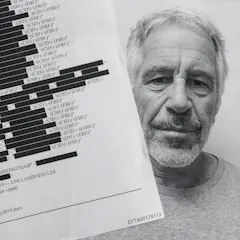
Online sleuths are on a mission to decode the massive Epstein file dump. The resulting chaos shows there’s a fine line between genuine clues and conspiracy.
We are entering an era where seeing is no longer believing.
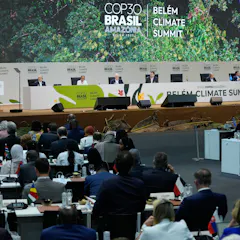
COP30 is the first conference where AI has been formally integrated as a central theme in the conference agenda.

Red-teaming is a simulation technique that is used by cybersecurity experts to anticipate and remedy flaws and weaknesses in digital systems.

Students learn skills to help them distinguish fact from fiction in the world of AI.
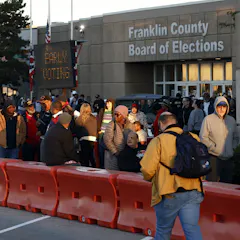
Like it or not, AI is now part and parcel of elections, from helping with mundane campaign functions to enabling politicians to speak to constituents in multiple languages at once.
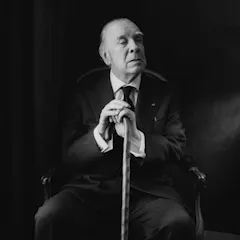
Borges imagined an endless library that contained every possible permutation of letters. The truth is out there, but it’s embedded among hordes of lies and gibberish.
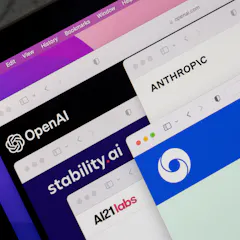
The media landscape is rapidly changing – and everyone needs to know how to participate in it.
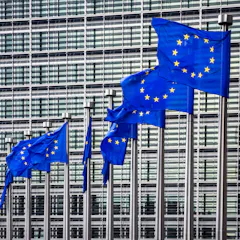
A risk-based approach to regulating AI can help minimise the dangers of the new technology

Library scientists offer tips and tricks to figure out if a particular online news article is reliable or fake.
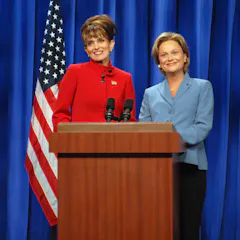
While labelling satire seems like a fine idea in theory, in reality it probably wouldn’t work. It also takes away from my right (and yours) to be fooled.
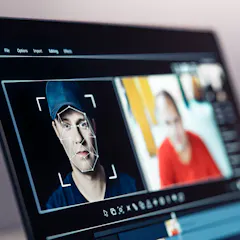
As technology has advanced, AI-generated deepfakes have become more convincing.

Youth in a study went from being passive deepfake bystanders to developing a sense of responsibility and readiness to help prevent deepfakes’ spread.
We asked people why they shared misinformation and a lot of people do it with good intentions.
Top contributors
-

Associate professor in English and sociolinguistics, Malmö University
-
Lecturer in Psychology, University of Westminster
-
Librarian and Associate Professor, Boise State University
-
Associate Professor, Educational Technology, Université Laval
-
Professor of Psychology, University of Westminster
-
Professor of English, Flinders University
-
Assistant Professor, School of Communications, Dublin City University
-
Library professor
-
Librarian and Associate Professor, Boise State University
-
Reader, Social Sciences, University of Westminster
-
Associate Professor in Law, Macquarie University
-
Professor in Digital Media, Western Sydney University
-
Professor, Digital Media Research Centre, Queensland University of Technology
-
Postdoctoral research fellow, Western Sydney University
-
Director, News & Media Research Centre, University of Canberra