

There are major systemic problems associated with peer review that are negatively affecting scientific credibility.
Articles on Academic journals
Displaying 41 - 60 of 76 articles

The scientific impact of a research paper increases with every additional commenter who provides feedback – particularly if the comment came from a well-connected academic.
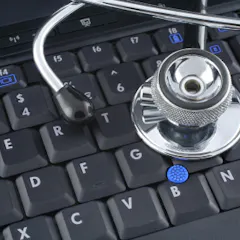
Medical entries on Wikipedia are widely consulted across the world. Doctors and medical researchers need to make efforts to ensure the content on the online collaborative encyclopedia is accurate.

When several South African universities merged, it was hoped this would improve access and equality. It had the opposite effect.

Knowledge is power. If you own it, you can control those without it. Since so much knowledge about Africa doesn’t sit on the continent, it’s apparent that Africa lacks power in this regard.
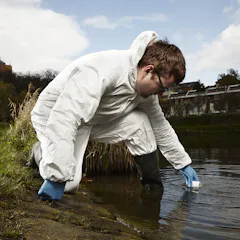
Some water researchers are ignoring the evidence offered by sampling if it doesn’t fit their preconceived notions. But science should always be honest and open.
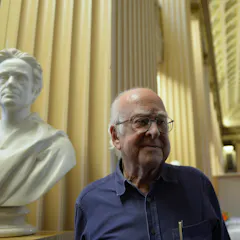
The unavoidable regime of publication pervades contemporary academic life across the world. While presented as a virtuous thing, it can actually suffocate the academic profession.
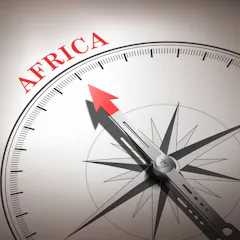
African Studies remains a colonised space rife with misrepresentation, homogenisation and essentialising about Africa.

The academic medical community largely views Wikipedia with suspicion. But some traditional journals are starting to take the site more seriously – and some journals work very closely with it.
Sci-Hub, a free online repository of academic articles, is the subject of a battle at the heart of open access.
Very few academics do a great deal to share their often important and relevant research with the general public. What’s holding them back?
Prime Minister Turnbull has signalled a desire to move away from a ‘publish or perish’ academic culture toward one that prioritises public impact and engagement. It’s a challenge scholars should embrace.
African research is largely invisible, kept in the shadows by publishing barriers and structural obstacles. A platform built in Brazil and rolled out across the developing world could be the solution.
African academics and universities have been caught in the predatory journal web. It’s time for the continent’s universities to start taking this threat to their integrity seriously.
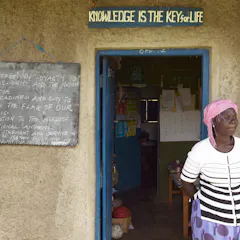
A lack of access to quality, peer-reviewed information can actually contribute to societal and educational inequality. How can Open Access help?

We have the technology and the will to expand open access to publicly funded research, but large vested interests are still putting up stiff resistance.
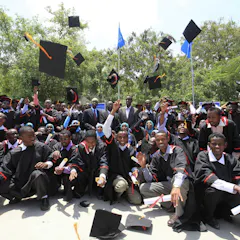
The news that African universities will soon be ranked has generated a great deal of hype. But the initiative seems likely to be doomed from the start.

Much of what’s being said in support of open access publishing misses one key point: that is there is always a value chain and costs are incurred. Someone somewhere is paying for open access.
South Africa does some amazing research but cannot share it globally because of restrictive copyright laws or unreasonable policies and embargo periods set by publishers that limit their audience.

Academics’ own propensity for plagiarism may be contributing to high levels of student plagiarism.
Top contributors
-

Professor of Computer Science, Université Grenoble Alpes (UGA)
-
Professor of Computer Science, Institut de Recherche en Informatique de Toulouse
-
Contributing editor, Retraction Watch
-
Senior Research Fellow, Max Planck Institute for Innovation and Competition
-
Previous Vice President of the Academy of Science of South Africa and DSI-NRF SARChI chair in Fungal Genomics, Professor in Genetics, University of Pretoria, University of Pretoria
-
University Librarian and Vice Provost for Digital Scholarship, University of California, Davis
-
Professor of Management, University of Johannesburg
-
Professor of Higher Education, Rhodes University, South Africa, Rhodes University
-
Matthew Flinders Professor of Global Ecology and Node Leader in the ARC Centre of Excellence for Indigenous and Environmental Histories and Futures, Flinders University
-
Senior Research Fellow, Centre for the Advancement of Scholarship, University of Pretoria., University of Pretoria
-
Professor of Zoology and Senior Research Fellow, Centre for the Advancement of Scholarship, University of Pretoria
-
Professor of Philosophy of Science, Durham University
-
Professor of Physics, University of Johannesburg
-
Professor of Southeast Asian Studies, Australian National University
-
Lecturer in Library Science, City St George's, University of London