
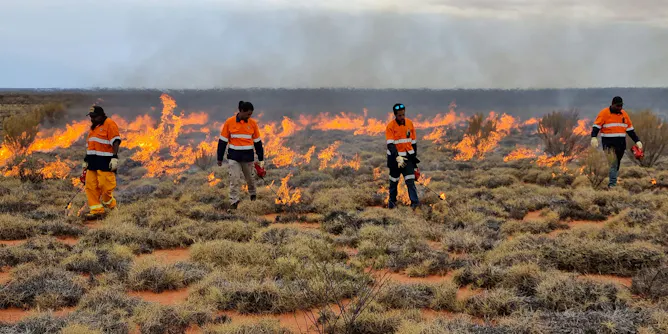
Australia has just listed Indigenous knowledge among its science priorities – after First Nations knowledge has long gone uncredited in Western ‘discoveries’, such as life-changing drugs.
Articles on Aboriginal knowledge
Displaying all articles
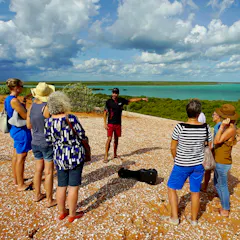
The theme for National Reconciliation Week 2021 is ‘More than a word: reconciliation takes action’. Engaging with Aboriginal knowledges is a way to pursue reconciliation as more than a buzzword.
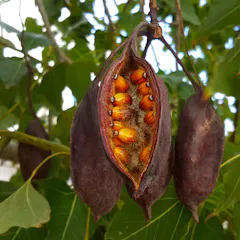
‘As I learn more about First Peoples’ plant knowledge, I’m also better understanding the broader Australian community’s failure to recognise the depth and breadth of our expertise.’
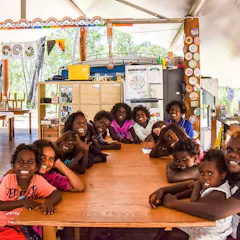
We now have a proven model for supporting self-determined building on Aboriginal homelands. The next question is how can its reach be extended?
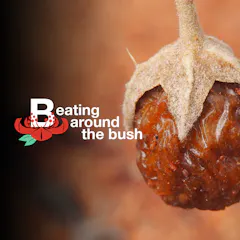
Tasting like a smoky sundried tomato, the desert raisin has been a staple for Australian desert communities for thousands of years.
Mukurtu: an online dilly bag for keeping Indigenous digital archives safe
The Conversation71.5 MB (download)
Mukurtu - Warumungu word meaning 'dilly bag' or a safe keeping place for sacred materials - is an online system helping Indigenous people conserve photos, songs and other digital archives.

The program we’ve developed led to a 96% completion rate for one group of Aboriginal TAFE students.
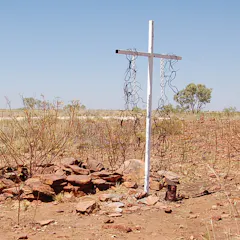
The local Aboriginal people told stories and painted images of a massacre of their ancestors in the early 20th century, but there was no other evidence that the incident took place. Until now.

A beautiful interactive SBS online documentary puts the spotlight on Marra, an Indigenous language spoken fluently by just three people.
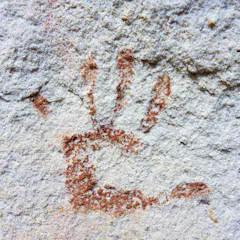
Australia’s Indigenous people had many methods for counting, and they didn’t use just numbers.
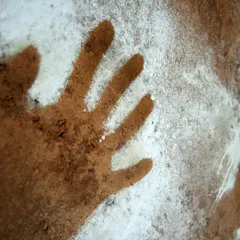
There is plenty of evidence to show Australia’s Indigenous people had ways of counting big numbers, yet the myth persists they couldn’t count more than a handful of things. Why?
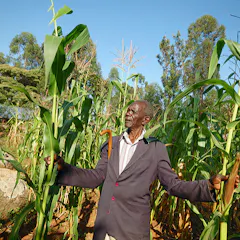
Decolonisation of the curriculum doesn’t have to mean the destruction of Western knowledge, but it’s decentring. Such knowledge should become one way of knowing rather than the only way.

Aboriginal people have been using the stars to help remember routes between distant locations, and these routes are still alive in our highway networks today.
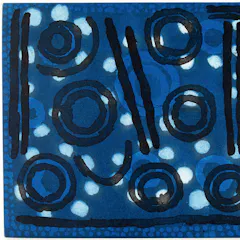
Who owns a Dreamtime story? The Warlpiri, like all Indigenous groups, use a complex system of kinship that regulates which people can depict, sing, dance or talk about which Dreamings.

Across Indigenous Australia, innovation is occurring locally, under the radar of government policies and support. We can look to this innovation and stop fixating on finding the elusive policy solution.
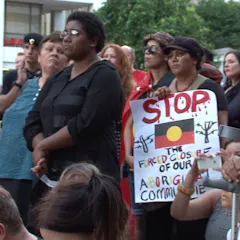
How to communicate across centuries of misunderstanding and dispossession.

We can learn much about meteor strikes in ancient Australia by examining the oral traditions of indigenous people.

Just one generation ago Australian schoolkids were taught that Aboriginal people couldn’t count beyond five, wandered the desert scavenging for food, had no civilisation, couldn’t navigate and peacefully…
Top contributors
-

Honorary Fellow, Space and Astronomy, CSIRO; Western Sydney University
-
Advisor, Author and Researcher, The University of Queensland
-
Distinguished Professor of Curriculum Studies, Stellenbosch University
-
Professor of Public Policy, Northumbria University, Newcastle
-
Adjunct associate, Australian National University
-
Adjunct Associate Professor, The University of Queensland
-
Professor of Linguistics, Yale University
-
Honorary Senior Lecturer, Australian National University
-
Adjunct fellow, Western Sydney University
-
Research Scientist in Archaeology, South Australian Museum
-
Associate Professor, School of Physics, The University of Melbourne
-
Research Fellow, The University of Melbourne
-
Professor, Charles Darwin University
-
Senior Researcher, Jumbunna Institute for Indigenous Education & Research, University of Technology Sydney
-
Research associate, Charles Darwin University