
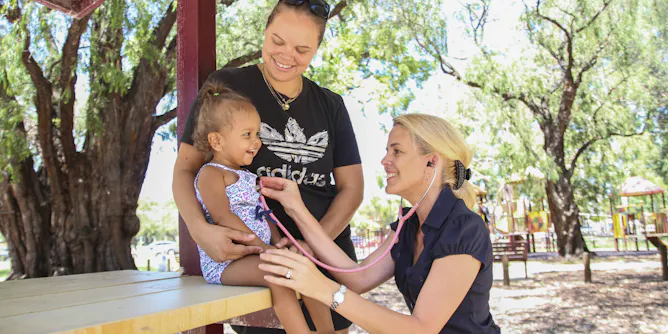
Lung infections are the most common reason for Aboriginal children to be hospitalised. But many cases can be prevented by seeking treatment for wet coughs that last for four weeks or more.
Articles on Aboriginal health
Displaying 41 - 60 of 74 articles

The government now has a dedicated NDIS minister. Here are the four key areas of the scheme that need attention.

The absence of Indigenous Australians in rehabilitation services has created the belief they don’t want therapy. The reality is they want services which better meet their cultural needs.
Aboriginal mothers in prison feel intergenerational trauma and the forced removal of their children are the most significant factors impacting their health and well-being.

When the remains of Aboriginal people who died more than a century ago were found, the local Aboriginal community wanted to know more about these past lives.
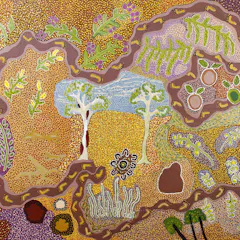
At least half the food eaten by the first Australians came from plants. And in terms of medicines, many different parts of plants were used.
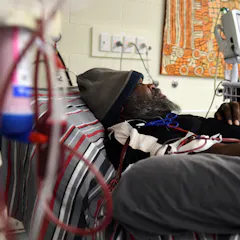
Like all good health care, improving health in remote settings requires an evidence base. But forcing all research questions into the randomised controlled trial model is not the answer.
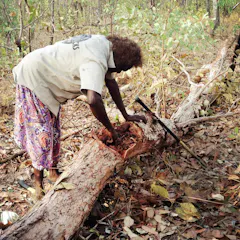
Some 20% of Aboriginal Australians suffer long term musculoskeletal pain and to date it has received little attention or recognition.

Ms Dhu’s is not the first report into mistreatment of an Aboriginal person in custody or a medical setting, nor is it likely to be the last.

New reports show a widespread lack of care for the cultural needs of many of the 19,000 Aboriginal and Torres Strait Islander children in child protection and out-of-home care.
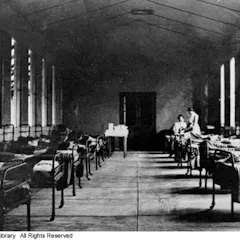
The lock hospitals inflicted incalculable traumas on Aboriginal people, wrenching them away from families and country.
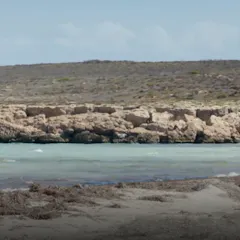
Hundreds of Aboriginal people were incarcerated on Dorre and Bernier islands for “venereal disease” between 1908 and 1919. The lock hospitals were penal rather than therapeutic institutions.

Chair of the Prime Minister’s Indigenous Advisory Council, Warren Mundine, told Q&A that $30 billion is spent every year on 500,000 Indigenous people in Australia. Is that right?
A new report highlights how little we know about what works and what doesn’t when it comes to publicly-funded Indigenous programs. It’s a similar story in other policy areas – but we can do better.
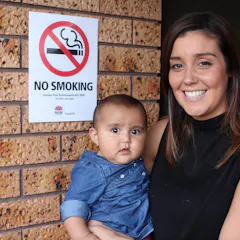
Almost half of pregnant Indigenous women smoke compared to one in eight in the non-Indigenous population. This means 7,000-9,000 Indigenous babies every year are exposed to smoking in the womb.

Where birthing on country is not offered, women leave their families weeks before birth. Or she can choose to give birth in her community without skilled birth attendants, which is risky.

Mainstream family violence services must also become culturally sensitive and responsive so they too can provide services to Indigenous community members.
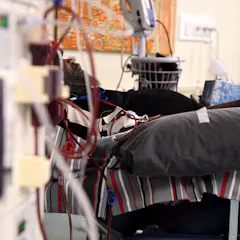
How can primary health networks work closely with Aboriginal services to ensure health care is appropriate and culturally competent?

After years of neglect and a notable absence in last week’s Closing the Gap report, nutrition is finally being recognised as integral to closing the gap on Indigenous disadvantage.
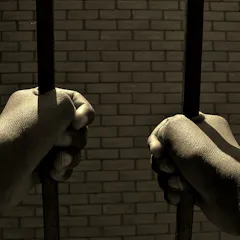
Aboriginal people with mental and cognitive disability are managed mostly by police, courts, prison and hospitals. It’s costing us millions, when kinder and cheaper alternatives exist.
Top contributors
-

Professor, Public Service Research, UNSW
-
Associate Professor, UNSW
-
Professor Emerita of Criminology, UNSW
-
Senior Lecturer in Social Work and Policy Studies, University of Sydney
-
Director of POCHE Centre for Indigenous Health, The University of Queensland
-
Chancellor, University of Canberra
-
Professor, Critical Indigenous Studies and Director of The Centre for Global Indigenous Futures, Macquarie University
-
Ellison Professor of Aboriginal Research, The Kids Research Institute Australia
-
Melissa Sweet is a Friend of The Conversation.
Independent journalist and health writer; Adjunct Senior Lecturer, Sydney School of Public Health, University of Sydney; Founder of Croakey.org. PhD candidate, University of Canberra
-
Senior Lecturer, Centre for Nursing and Midwifery Research, James Cook University
-
Director, Arney Chong Consulting and Positive Futures Research, Adelaide University
-
Professor of Communication and Media Studies, Director, News and Media Research Centre, University of Canberra
-
PhD Candidate in Social Work and Criminology, UNSW
-
Associate Research Professor, Adelaide University
-
Professor of Indigenous Genomics, Australian National University