
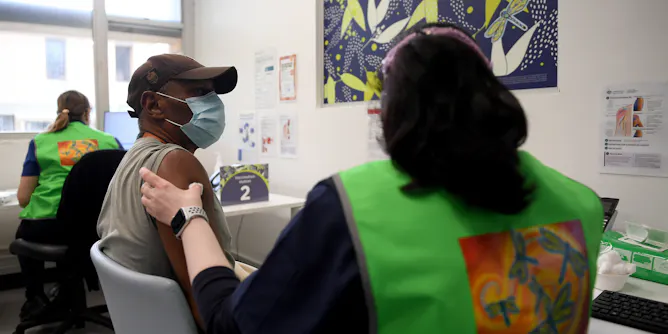
A new study has found First Nations people in rural NSW experienced more anxiety and fear about COVID than non-Indigenous people. How did government messaging contribute to this?
Articles on Aboriginal health
Displaying 21 - 40 of 74 articles
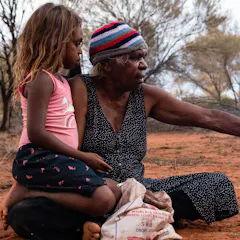
NT residents receive approximately 30% less Medicare funding per capita than the national average. The gap is worse for First Nations Australians in the NT.
The federal government’s pre-election budget has addressed only some of the key issues Indigenous people face. More investment is still required if the government is serious about Closing the Gap.
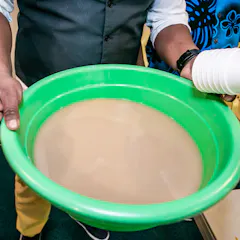
Kava is not commonly used in Australia. But that will change and we need to keep an eye on what happens next.
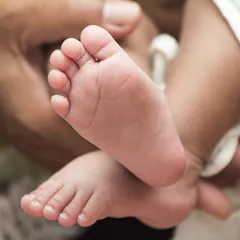
Birthing on Country services acknowledge First Nation peoples’ continued ownership of land and unique birthing practices.
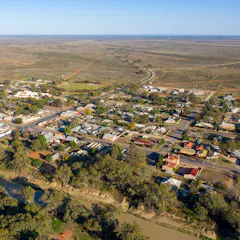
The COVID-19 crisis in Wilcannia demonstrates how entrenched neglect has led to a community devastated by the global pandemic.
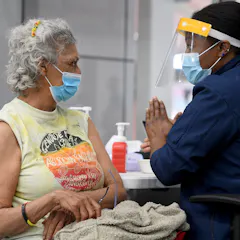
Many Aboriginal community controlled health services are already running urgent vaccination campaigns within their existing resources, but more needs to be done.
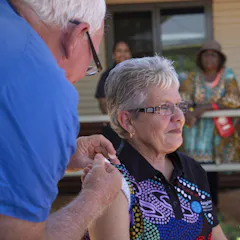
It’s simply not “safe” for many Australians to come out of Scott Morrison’s proverbial cave until vaccination rates increase.
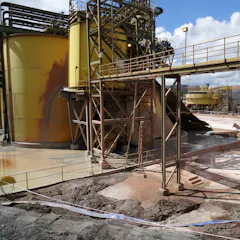
We owe it to Aboriginal people living near uranium mines to learn more about what’s making them sick.
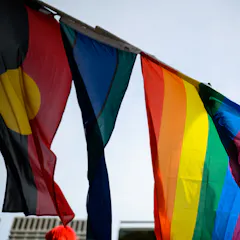
A Western Australian study, one of the first of its kind, reveals the complex experiences of those living at the intersection of being Indigenous and part of the LGBTIQ+ community.
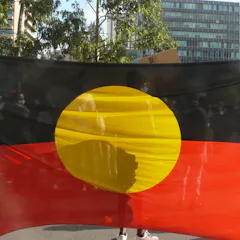
George Floyd’s death and the US Black Lives Matter movement sparked extensive media attention. Why aren’t Australian Indigenous deaths in custody getting the same amount of media coverage?
As a Koori bloke who lives with disability, I believe the proposed framework is disrespectful and discriminatory towards Aboriginal and Torres Strait Islander people.
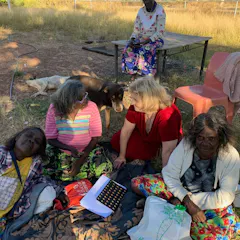
Researchers report on how COVID-19 is affecting isolated Indigenous communities. Their voices bridge the urban divide, reveal challenges and describe some unexpected bonuses.
Large households, poor health literacy, not enough soap and vaccines, scepticism of mainstream services. These are some of the reasons urban Aboriginal people face increased risks.
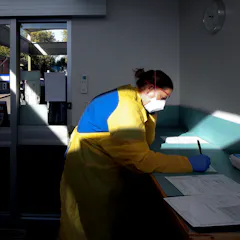
Aboriginal people are at greater risk of severe illness from COVID-19 than non-Aboriginal people. But plans to protect remote communities and keep the virus out are progressing too slowly.
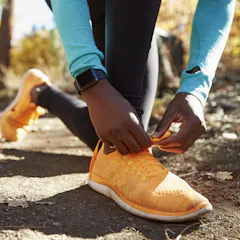
Just one in four Indigenous women play sport or are physically active, with many citing racism, cost and gendered expectations as barriers.

A safe home, a working fridge and access to transport are all needed before western medicine has a chance of working in the long term. But a new way of providing care can help.
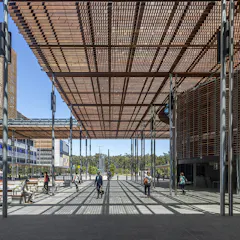
Many Indigenous people tell us they find hospitals stressful, uncomfortable and alienating. Here’s how good design can help.
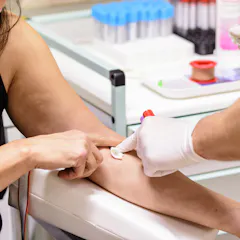
Babies in Australia have been vaccinated against hepatitis B since May 2000, but 240,000 Australians still live with the disease.
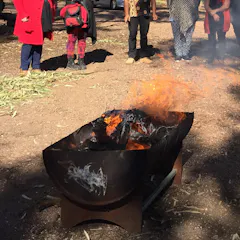
Many Aboriginal survivors of sexual abuse find mainstream counselling inappropriate. But there is a way to help them heal that respects a collective culture, with strong community ties.
Top contributors
-

Professor, Public Service Research, UNSW
-
Associate Professor, UNSW
-
Professor Emerita of Criminology, UNSW
-
Senior Lecturer in Social Work and Policy Studies, University of Sydney
-
Director of POCHE Centre for Indigenous Health, The University of Queensland
-
Chancellor, University of Canberra
-
Professor, Critical Indigenous Studies and Director of The Centre for Global Indigenous Futures, Macquarie University
-
Ellison Professor of Aboriginal Research, The Kids Research Institute Australia
-
Melissa Sweet is a Friend of The Conversation.
Independent journalist and health writer; Adjunct Senior Lecturer, Sydney School of Public Health, University of Sydney; Founder of Croakey.org. PhD candidate, University of Canberra
-
Senior Lecturer, Centre for Nursing and Midwifery Research, James Cook University
-
Director, Arney Chong Consulting and Positive Futures Research, Adelaide University
-
Professor of Communication and Media Studies, Director, News and Media Research Centre, University of Canberra
-
PhD Candidate in Social Work and Criminology, UNSW
-
Associate Research Professor, Adelaide University
-
Professor of Indigenous Genomics, Australian National University