

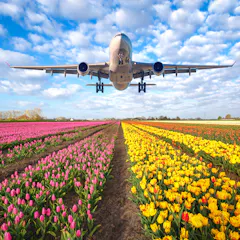
Reducing jet fuel consumption by 2.5% each year could halt aviation’s growing influence on climate change.
Articles on 1.5 degrees
Displaying 41 - 60 of 76 articles
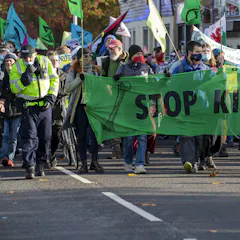
Week one in Glasgow has delivered more climate action than the world promised in Paris six years ago. But progress still falls well short of what’s required to limit warming to 1.5°C.

The clock tracks global emissions and temperature data, and uses the most recent five-year emissions trend to estimate how much time is left until global warming reaches the 1.5 C threshold.

Most concerning is the long-term upward trends of CO₂ emissions form burning fossil fuels, which are far from trending towards net-zero by 2050.
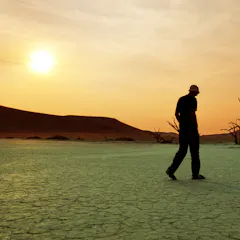
Many scientists now think 3°C of warming is likely.
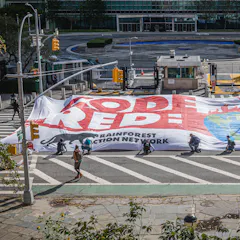
Pacific nations look to New Zealand for climate leadership. It has enshrined carbon neutrality by 2050 and a 1.5°C target in law, but, so far, emissions have continued to rise.

China and the US could supercharge global climate action. But if they fail to cooperate, there will be dire consequences for all.
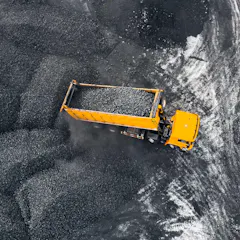
Our new study reveals how tight the world’s remaining carbon budget is.

IPCC authors go beyond the headlines to explain how 1.5°C warming is measured – and why there’s still reason to hope, and act, if Earth exceeds that limit.
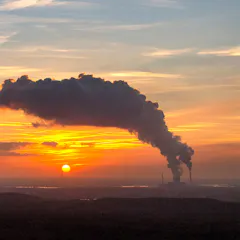
Our team of 40 researchers combined natural and social sciences to assess the plausible limits of future climate change.
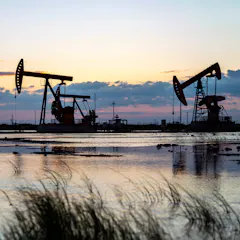
The seismic changes to energy supply and demand during the pandemic could be just the beginning.
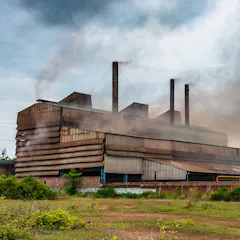
Countries cannot be expected to all tread the same path to net zero emissions.
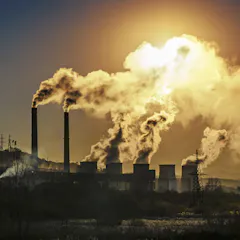
Humanity can still limit global warming to 1.5°C this century. But political action will determine whether it actually does. Conflating the two questions amounts to dangerous, misplaced punditry.

Discord and doubt are the last things the world needs at this critical moment.
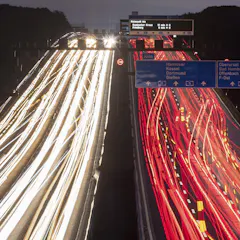
Several countries have made pledges to reduce their greenhouse gas emissions to zero by mid-century. But new research finds the remaining carbon budget will be depleted before we get there.

Climate models are likely underestimating the true severity of future warming in urban areas.

Our new study shows that cutting emissions now will bring benefits sooner than expected.
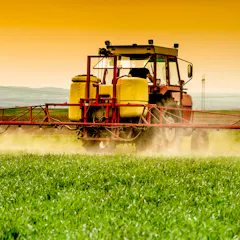
Modern agriculture releases lots of different greenhouse gas emissions, each with complex effects on the global climate.

Clouds can act as both blanket and parasol – warming our atmosphere at the same time as cooling it. But which effect will dominate?
Our new research uncovered stark carbon inequality across the EU.
Top contributors
-

Professor of Physical Climate Change; Director of the Priestley Centre for Climate Futures, University of Leeds
-
Adjunct Professor of Energy, Murdoch University
-
Chief Research Scientist, CSIRO Environment; Executive Director, Global Carbon Project, CSIRO
-
Professor of Energy Systems, UCL
-
Senior Researcher, Center for International Climate and Environment Research - Oslo
-
ARC Future Fellow and Associate Professor in Climate Science, ARC Centre of Excellence for 21st Century Weather, The University of Melbourne
-
Professor and Climate Scientist, Department of Geography, Planning and Environment, Concordia University
-
Professor of Earth System Science, UCL
-
Director of Research and Lecturer - Grantham Institute Climate Change & the Environment, Imperial College London
-
Professor of Infrastructure Engineering and International Development, UCL
-
Researcher in Earth System Resilience, University of Sussex
-
Lecturer in International Development, UCL
-
climate campaigner
-
Research Group Leader, International Institute for Applied Systems Analysis (IIASA)
-
Senior Research Associate in Energy, UCL