
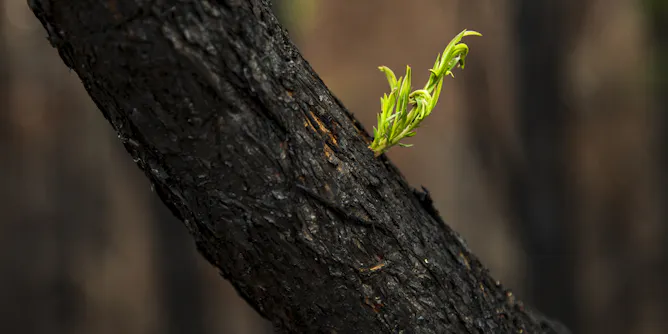
Global warming is set to surpass the 1.5°C limit if governments worldwide fail to act.
Articles on 1.5 degrees
Displaying 1 - 20 of 76 articles
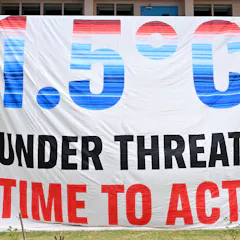
Exceeding 1.5 C of global warming is a giant warning flag telling us not to give up, but to redouble our efforts to slam on the brakes on climate change.
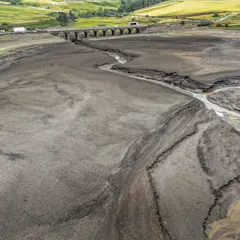
It’s no longer possible to hold climate change to 1.5°C. But it’s not game over – it’s game on.
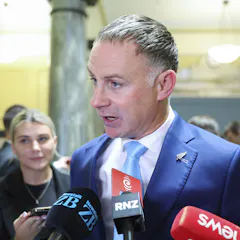
New Zealand justifies its weakened climate policies as necessary to boost the economy, but it may come at a cost to international trade.
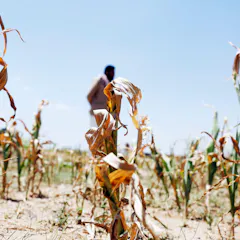
A new report predicts that Earth will break another annual heat record in next five years.

Even allowing warming to exceed 1.5°C for a few decades could trigger irreversible damage.
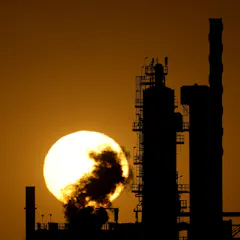
Earth is crossing the 1.5°C limit outlined in the Paris Agreement, beyond which scientists predict catastrophic harm to systems supporting life on our planet.
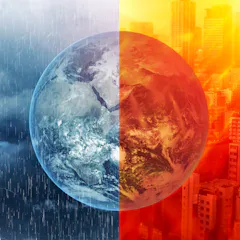
2024 was first calendar year with warming above 1.5°C with unprecedented extremes putting humans and ecosystems at risk
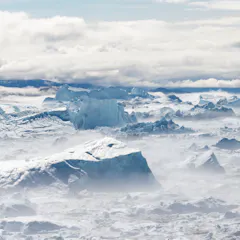
Investing in carbon removal, on top of the most ambitious emissions cuts possible, is a no-regrets strategy.
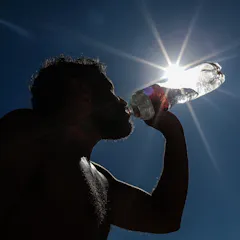
On a regional scale, global warming exceeded the Paris agreement’s upper climate target in the northern hemisphere.

From bleached corals to deadly heatwaves.
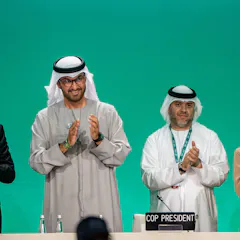
Weak language at COP28 is at complete odds with the officially-recognised science.
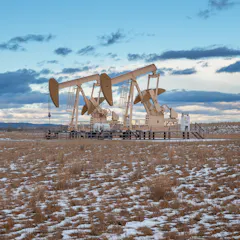
The distinction between ‘abated’ and ‘unabated’ fossil fuels is crucial, yet remains ambiguous.
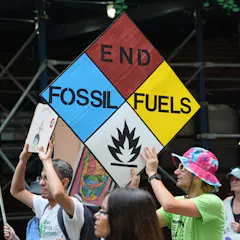
To avert climate breakdown, most of the world’s coal, oil and gas must stay underground.
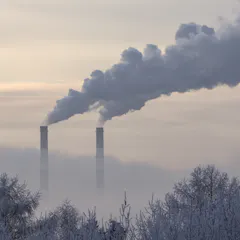
For a two-in-three chance of staying within 1.5°C, the budget shrinks to one-and-a-half years.

Holding climate change to 1.5 might be possible – but in the best case, we’ll blow past the limit first and then backpedal.

July was the hottest month on record – and took us past 1.5 degrees. But one month isn’t the same as failing to meet our Paris Agreement goals
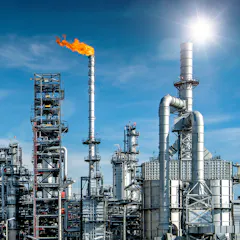
The 142 fossil fuel producers collectively exceeded the limits on coal, gas and oil production required to achieve the Paris Agreement goals by between 63% and 70%.

The Pacific Ocean is entering the hot phase of its temperature cycle, an event that will turbo-charge global warming.
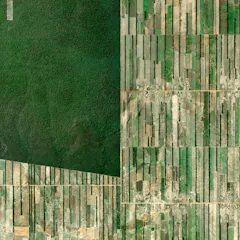
Surging deforestation in Bolivia means the country now ranks as one of the highest carbon emitters in the world.
Top contributors
-

Professor of Physical Climate Change; Director of the Priestley Centre for Climate Futures, University of Leeds
-
Adjunct Professor of Energy, Murdoch University
-
Chief Research Scientist, CSIRO Environment; Executive Director, Global Carbon Project, CSIRO
-
Professor of Energy Systems, UCL
-
Senior Researcher, Center for International Climate and Environment Research - Oslo
-
ARC Future Fellow and Associate Professor in Climate Science, ARC Centre of Excellence for 21st Century Weather, The University of Melbourne
-
Professor and Climate Scientist, Department of Geography, Planning and Environment, Concordia University
-
Professor of Earth System Science, UCL
-
Director of Research and Lecturer - Grantham Institute Climate Change & the Environment, Imperial College London
-
Professor of Infrastructure Engineering and International Development, UCL
-
Researcher in Earth System Resilience, University of Sussex
-
Lecturer in International Development, UCL
-
climate campaigner
-
Research Group Leader, International Institute for Applied Systems Analysis (IIASA)
-
Senior Research Associate in Energy, UCL