
‘Pics or it didn’t happen’ is no longer a reliable test for what’s real.
- Associate Professor of Visual Communication & Digital Media, RMIT University

Fact-checking can take hours or days while fakes can be created in seconds. So, what do we do?
The age of AI is leading to barriers being put up across the open web. This could be the fix.
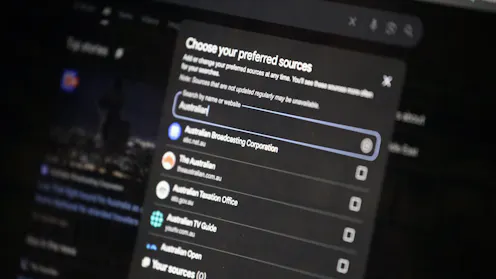
More control is a good thing – but be wary of privacy risks and ensure your media ‘diet’ is still balanced.
There have been six key shifts – and no doubt more is to come.
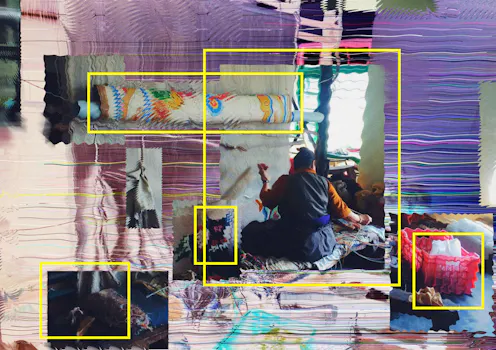
Right now it’s something of an arms race as new technologies are developed – and detectors struggle to keep up.
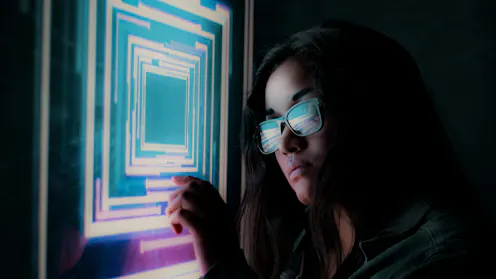
Research asking AI models to describe and generate pictures reveals they see a bright, sensational world of generic images.
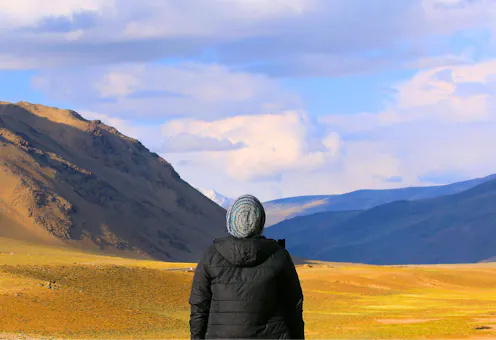
Generative AI changes how we see – and how we decide what’s real.
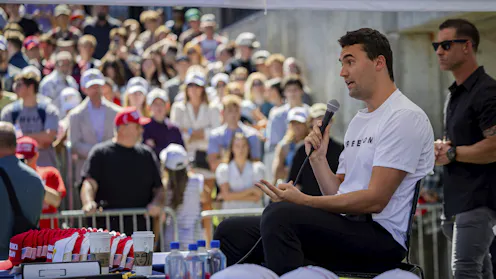
Social media is awash with videos of Charlie Kirk’s assassination, highlighting the failures of platforms to protect users.
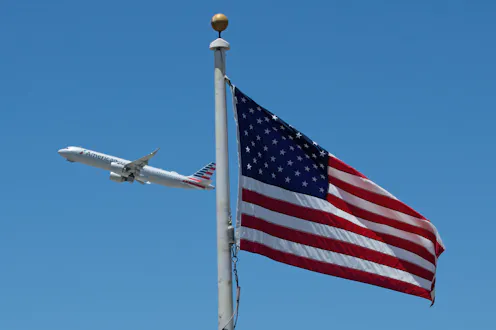
Your social media is no longer a personal space. It may be used by governments to determine whether you fit with their values.
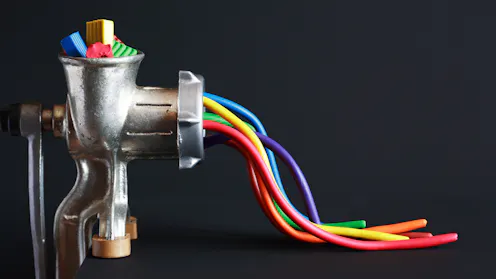
AI search summaries are reshaping the search engine ecosystem we’ve grown accustomed to over two decades.
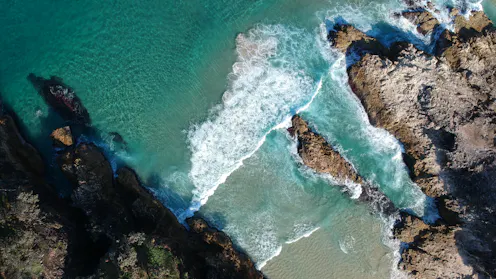
If you’re a sucker for a black and white filter, think again, as new research shows colour images are preferred by most viewers.
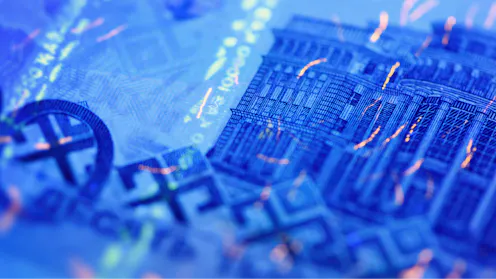
AI watermarks are supposed to help us tell if content is real or generated. But they dramatically vary in effectiveness.
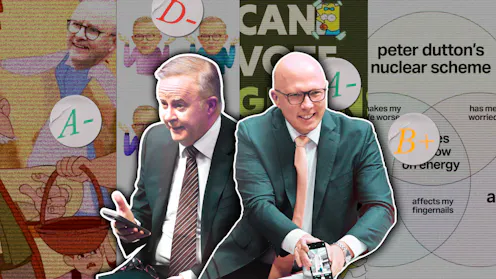
Memes are the currency of the election campaign online. Here’s a report card on the Labor, Liberal and Greens efforts, from the good to the tone-deaf.
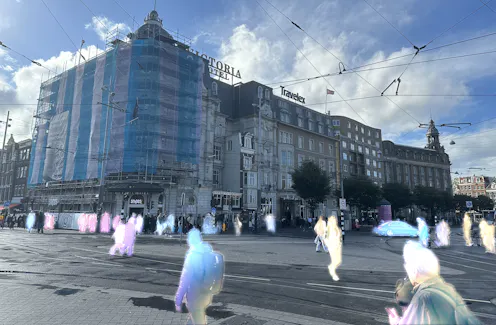
Editing any photo, anywhere, is cheaper and easier than ever. What does that mean for having ‘visual proof’ of something?
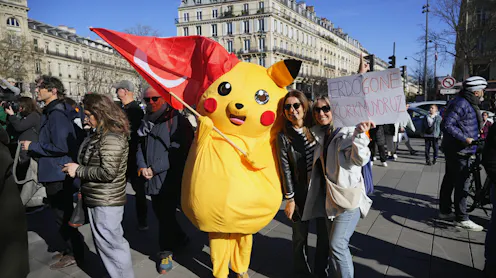
As the tide of AI ‘slop’ rises, it’s more important than ever to hone your reality-checking skills.
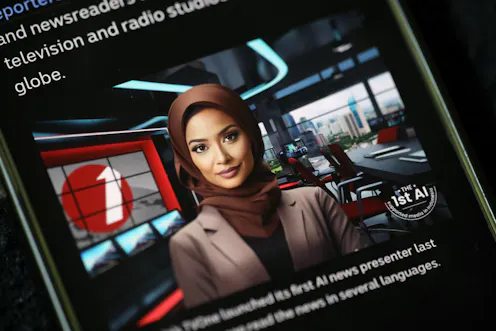
A new report on journalism in seven countries shows AI might have a place in the newsroom – but everyone should proceed with caution.
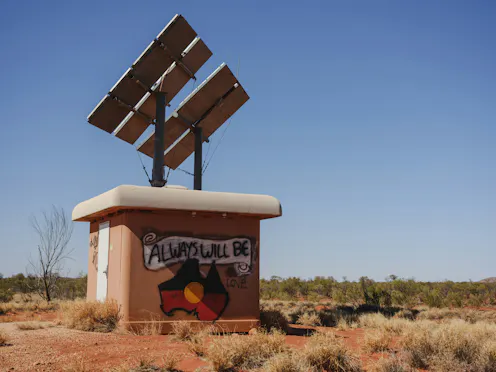
As one workshop participant, a journalism educator, put it: ‘We’re still telling the same stories, it’s like a circle, and we don’t seem to be able to break free from it. Nothing seems to change.’
Media outlets like The Australian and The Daily Telegraph will now share their content with the makers of ChatGPT. It raises many questions about the future of journalism and how people access news.
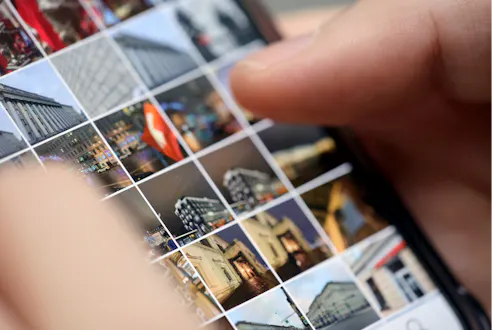
I identified six dimensions which will impact the quality of photographs. Here’s what I learnt – and what you can apply to your own photos.
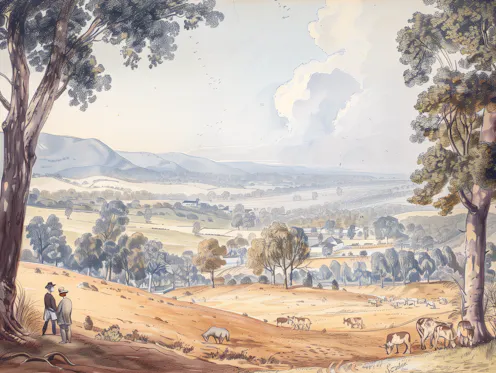
There’s no escaping generative AI as it infiltrates our workplaces and daily lives. Learning what these tools can do will help you understand their full impact.
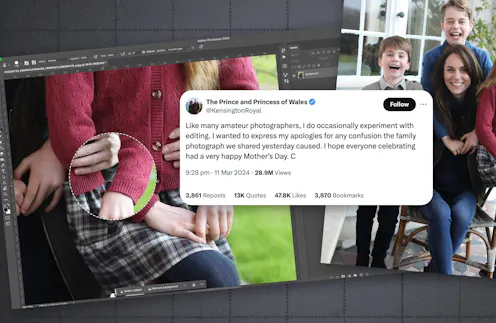
The Princess of Wales is caught in a social media storm after the release of a clearly edited photo. But image editing is increasingly common, and your phone can even do it without you knowing.
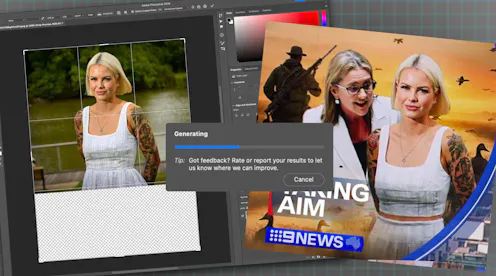
Generative AI is everywhere, including licensed software tools that news media use for their work. Everyone needs to learn more about these features, their risks and benefits.
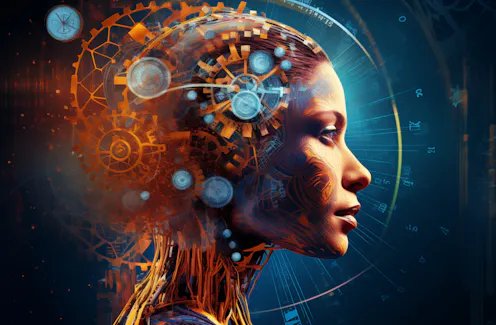
Generative AI has changed the ways we work, study and even pray. Here are some highlights of an astonishing year of change – and what we can expect next.

As AI developers indiscriminately suck up online content to train their models, artists are seeking ways to fight back.
Contact T.J. for
- General
- Media request
- Consulting / Advising
- Research collaboration
- Research supervision
- Location: Melbourne, Australia
- Website
- BlueSky: @tjthomson.bsky.social
- LinkedIn: drtjthomson
- X (formerly Twitter): @drtjthomson
- Article Feed
- ORCID
- Joined
