
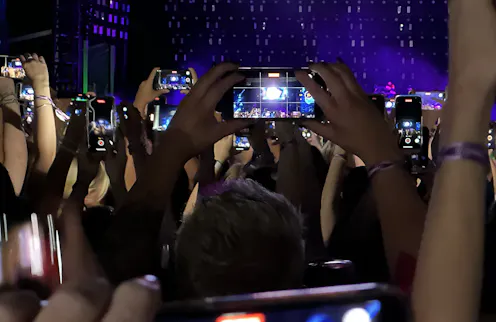
Camera rolls reveal how photography is transforming in the smartphone era.
- Associate Professor of Visual Communication & Digital Media, RMIT University

Regardless of the input, AI image generators will have a tendency to return certain kinds of results. This is where the potential for bias arises.
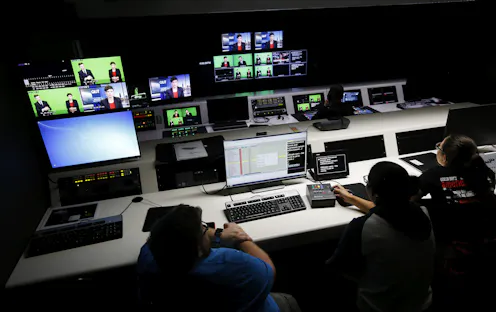
Australian media have and do unfairly report on Indigenous affairs and toxic environments are leading to fewer First Nations journalists. Should universities put cultural safety in journalism courses?
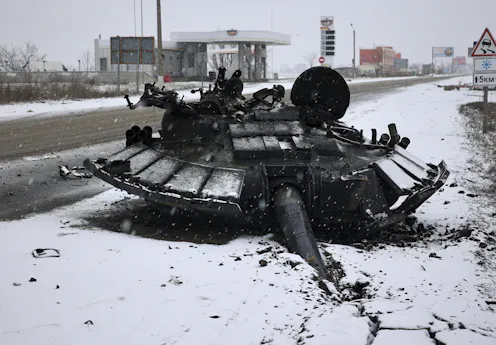
Footage claiming to document the situation in Ukraine may not necessarily be genuine. Here’s how to treat viral footage with the right level of scepticism before sharing it on social media.

We live in a world of spoken, visual and written communication, but the third mode continues to dominate teaching and assessment in university communication courses.
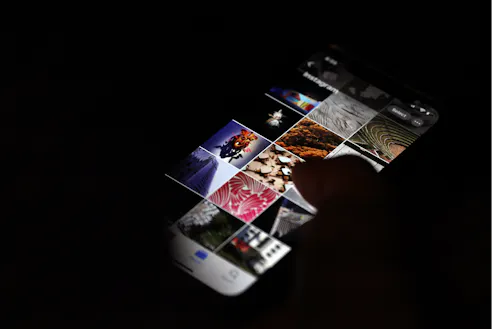
Researchers found women and men use their camera rolls differently - and our visual values have changed.

In an age of democracy via social media, platforms are struggling to combat visual mis/disinformation such as ‘spliced’ images and deepfakes. Digital media literacy has never been so important.

When journalists don’t interact with the public, they risk relying on existing narratives and experiences to inform their coverage.
Contact T.J. for
- General
- Media request
- Consulting / Advising
- Research collaboration
- Research supervision
- Location: Melbourne, Australia
- Website
- BlueSky: @tjthomson.bsky.social
- LinkedIn: drtjthomson
- X (formerly Twitter): @drtjthomson
- Article Feed
- ORCID
-
- Joined
