

Australia’s weather extremes are increasingly arriving back-to-back in a ‘weather whiplash’.
- ARC Future Fellow and Associate Professor in Climate Science, ARC Centre of Excellence for 21st Century Weather, The University of Melbourne

Menghindari skenario terburuk iklim bukanlah kesalahan ilmu pengetahuan seperti tuduhan skeptis Donald Trump, melainkan bukti keberhasilan aksi iklim.

Removing the worst-case climate future for Earth isn’t failed science, as climate sceptic Donald Trump claims. It’s a sign climate action has made a difference.

The latest State of the Climate report paints a grim picture of global warming. But by reducing our emissions and fossil fuel use, we can still slow it down.
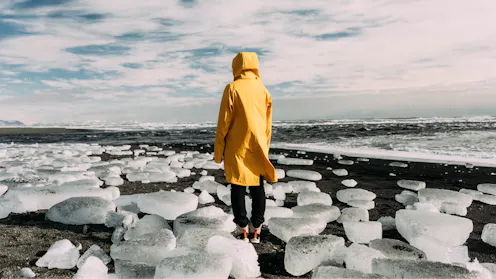
Cimate scientists are more certain than ever that humans are changing the climate – but there are signs of hope on the horizon.

The results challenge claims that the climate risks posed by an individual fossil fuel project are negligible or cannot be quantified.

What do the next few months hold, weather-wise? For clues, we can look to the oceans around Australia.

In some areas of NSW, more than 200 mm of rain has fallen in 24 hours. At the same time, dry conditions have gripped much of the continent.
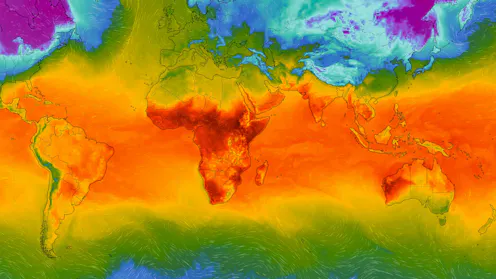
Atteindre zéro émission de carbone d’ici 2050 freinera le réchauffement, mais certaines régions connaîtront encore des chaleurs extrêmes

Cutting carbon dioxide emissions to zero by 2050 will reduce global warming, but climate modelling shows that some regions may still experience extreme heat.

Why is it so warm across southern Australia this autumn? Where’s the rain? ‘Blocking’ high pressure systems are to blame, but the real culprit is climate change.
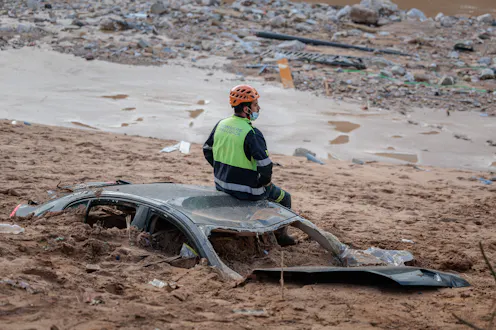
The atmosphere now has the highest carbon dioxide levels in the last 800,000 years – and global heat records have toppled yet again. Coincidence? Of course not
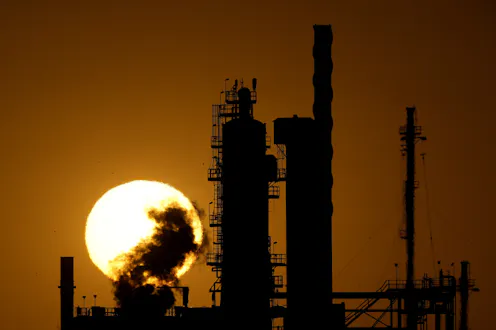
Bumi telah melewati batas 1,5°C yang digariskan dalam Perjanjian Paris, di mana para ilmuwan memperkirakan akan terjadi kerusakan besar pada sistem pendukung kehidupan planet kita.

A Terra está ultrapassando o limite de 1,5°C estabelecido no Acordo de Paris, além do qual os cientistas preveem danos catastróficos aos sistemas que sustentam a vida em nosso planeta.
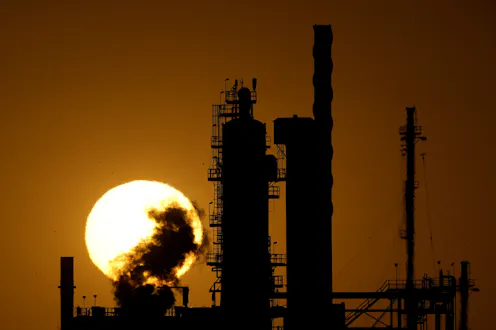
Earth is crossing the 1.5°C limit outlined in the Paris Agreement, beyond which scientists predict catastrophic harm to systems supporting life on our planet.
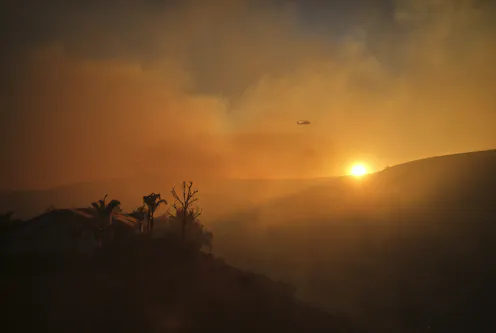
This record-breaking heat is primarily driven by humanity’s burning of fossil fuels. The warming won’t stop until we reach net-zero emissions.

Reports of a rare summer La Niña are premature. It is also foolish to look at such climate drivers in isolation. But seasonal forecasting is becoming more complicated as the planet warms.

Get set for a hotter and wetter summer this season in Australia. The long-range forecast from the Bureau of Meteorology today points to above average rainfall, especially in December, and warmth.

Alarmingly, Earth’s climate will change for many centuries to come. But we must still push to reach net-zero emissions as quickly as possible.
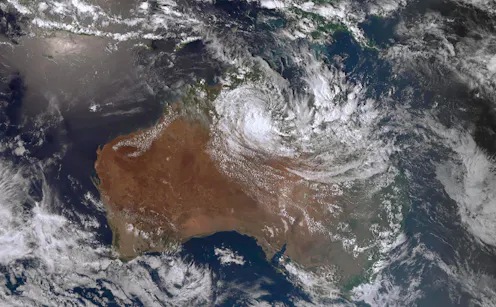
Planet-scale oscillations in the atmosphere can wreak havoc with rainfall in Australia’s north, according to new research.
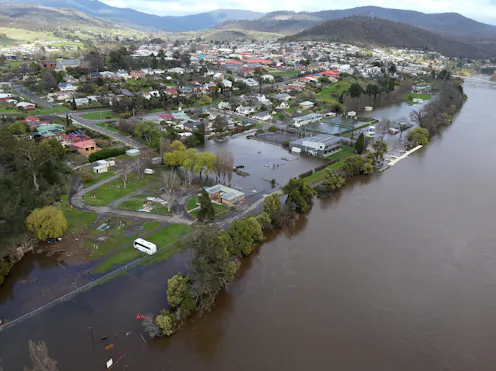
Australia is facing climate hazards on all fronts this spring and summer. Climate scientist Andrew King walks us through the Bureau of Meteorology’s new national outlook.
Record-breaking winter warmth has been felt across large parts of Australia, with more to come in coming days. A climate scientist explains what’s going on.

Determining the global average temperature on any given day is complex. It involves thousands of observations, high-tech equipment and sophisticated computer models.

It has been particularly cold this week, with a record low temperature recorded in Tasmania. Such records are increasingly rare as average temperatures continue to rise.

Weather forecasting is improving at a great rate, even though climate change could be making it tougher.
Contact Andrew for
- General
- Media request
- Speaking request
- Consulting / Advising
- Research collaboration
- Research supervision
- Location: Melbourne, Australia
- Website
- X (formerly Twitter): @AndrewKingClim
- Article Feed
- ORCID
- Joined
