
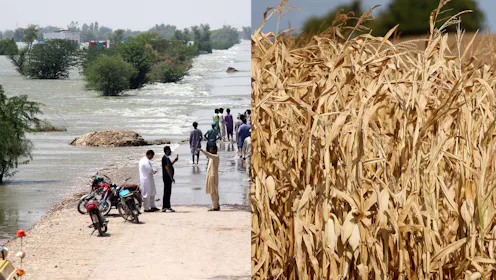
The flooding in Pakistan is the latest in a sequence of exceptional disasters in the Northern Hemisphere. How much is climate change to blame?
- ARC Future Fellow and Associate Professor in Climate Science, ARC Centre of Excellence for 21st Century Weather, The University of Melbourne
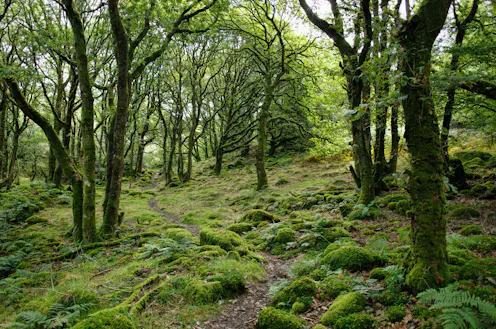
Our ability to cool the planet takes humanity into uncharted territory. In a new paper published today, researchers discuss the big unknowns in a post net-zero world.
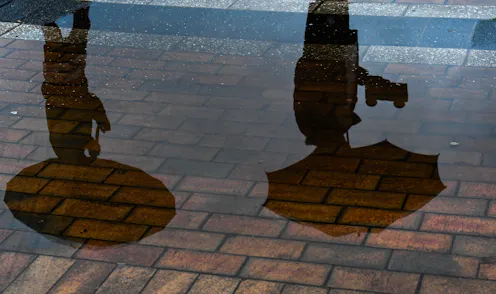
Will spring bring an end to the cold and the rain?
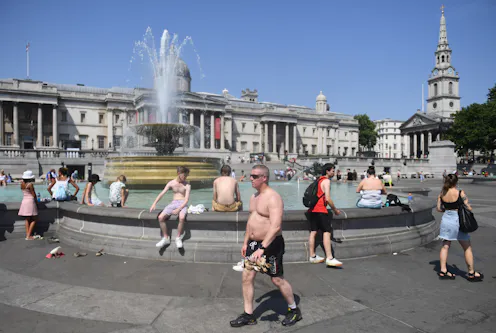
Summer heat may be far from people’s minds here in Australia. But Europe’s ordeal is yet another sign changes in Earth’s climate have already reached dangerous levels.
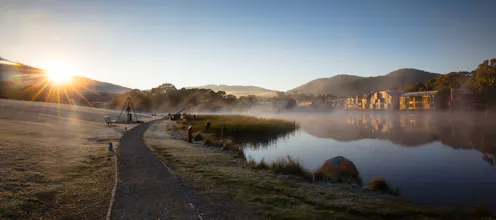
These temperatures are well below average, even for the middle of winter.
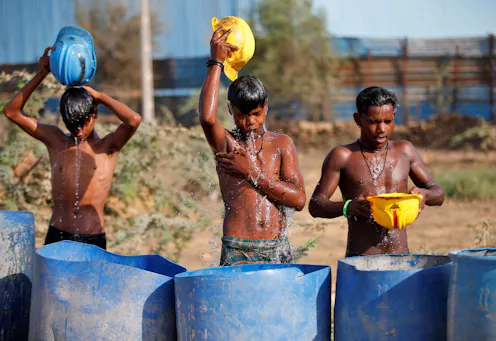
And after India banned wheat exports in May due to the high temperatures, we find out how vulnerable crops are to extreme heat. Listen to The Conversation Weekly podcast.
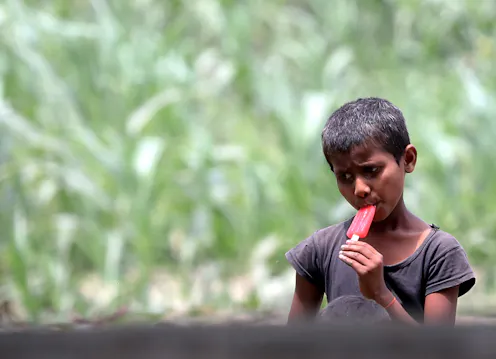
This long, uncharacteristically early heatwave has hit hundreds of millions of people in one of the world’s most densely populated and vulnerable regions.
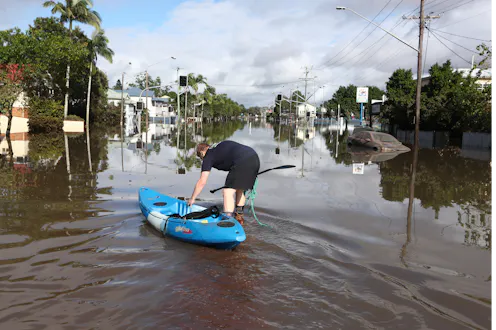
How does this compare to Australia’s previous floods? And can we expect more frequent floods at this scale under climate change? The answers aren’t straightforward.
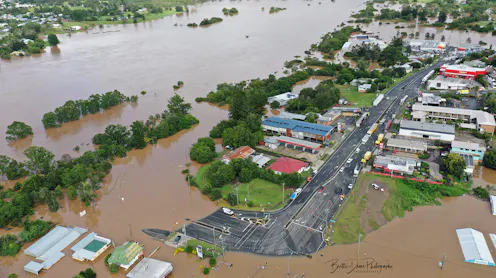
A weather system called ‘atmospheric rivers’ is causing this inundation. In March last year, an atmospheric river brought 800kg of water vapour over Sydney every second.
2021 was the sixth hottest year on record, despite the cooling effect of back-to-back La Niñas. Let’s reflect on the year that was, and what we can expect for this year and beyond.
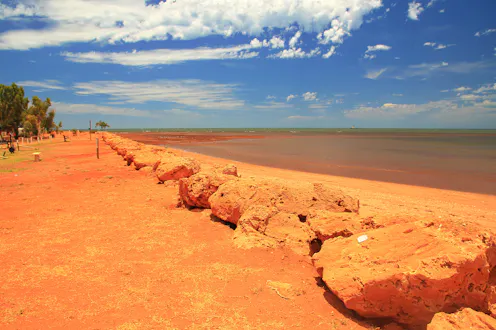
Extreme heat over 50°C is likely to become more common, giving us yet another reason for Australia to act fast on climate change.

We need new experiments to model Earth’s climate if global warming is stabilised at 1.5°C. A new paper explains why.
The UN’s new Emissions Gap Report shows we’re on track to overshoot the Paris target of 1.5°C. If we don’t close this emissions gap, what will Australia, and the rest of world, be forced to endure?
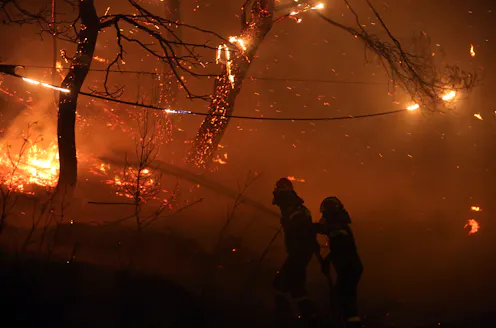
Academic research can shed light on crucial questions about what life on Earth will be like under the most plausible emissions scenarios. And a warning: the answers are confronting.

An article in the eminent US magazine Science has triggered debate over whether scientists should use climate models. Here’s what you should know about climate models ahead of today’s IPCC report.
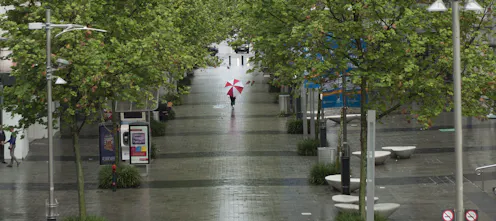
Last week the Bureau of Meteorology declared a negative Indian Ocean Dipole — a natural climate phenomenon set to bring wet weather. Let’s look at what you can expect, and the role of climate change.
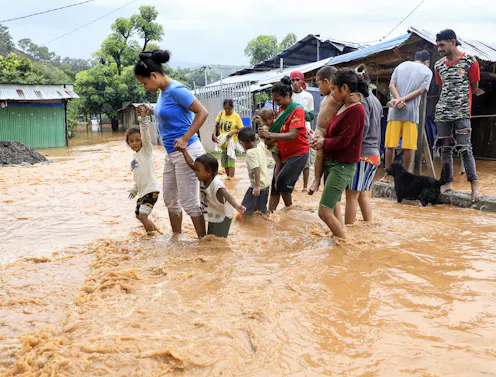
In flood-ravaged Dili, COVID-19 restrictions were abandoned as the disaster unfolded. But it means an already escalating pandemic situation may spiral out of control.
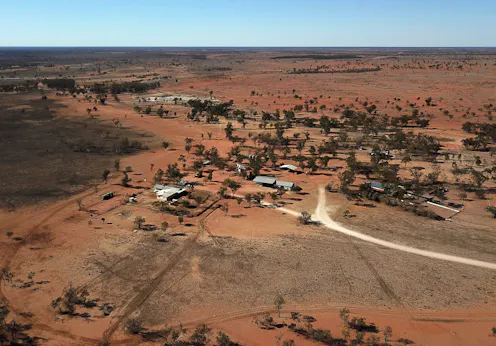
The absence of climate drivers – specifically, the Indian Ocean Dipole and La Niña – explains why Australia has gone so long without heavy rains.
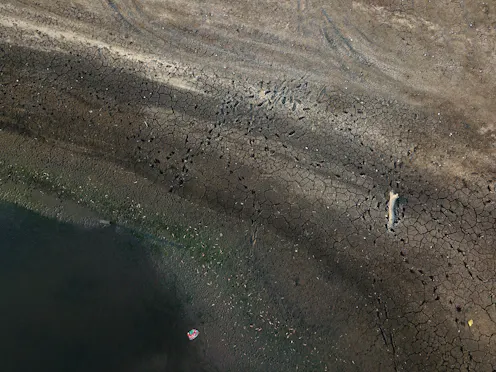
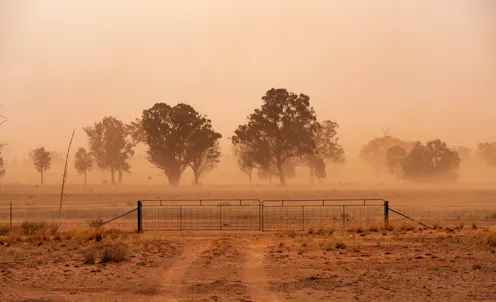
Drought has both natural and human causes, but deep cuts in our greenhouse gas emissions are urgently needed, regardless.

Cold fronts swept south-eastern Australia, bringing snow and freezing temperatures. While snow is expected to decrease with climate change, cold snaps are likely to keep coming.
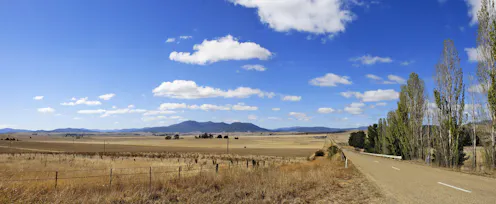
Hitting the Paris targets will go a long way to securing Melbourne’s water supply against future pressure.
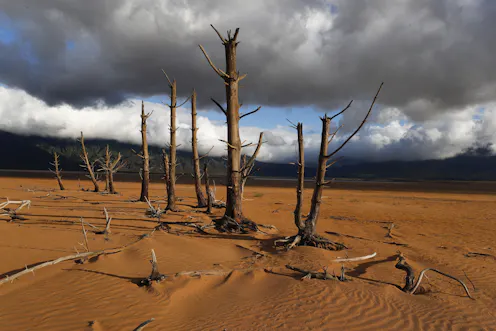
Australia’s subtropical regions are drying, but if we can slow the global temperature rise then rainfall should increase again.
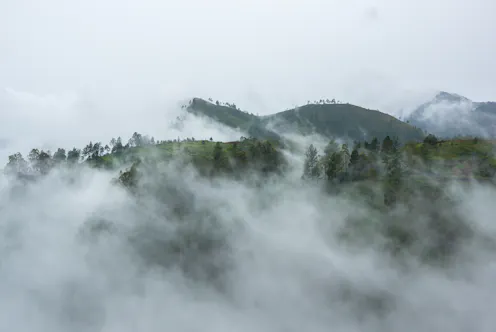
Despite its global importance, the rainy ‘Maritime Continent’ around Indonesia is hard to capture using global climate models. But fear not - new research shows how to improve our forecasts.
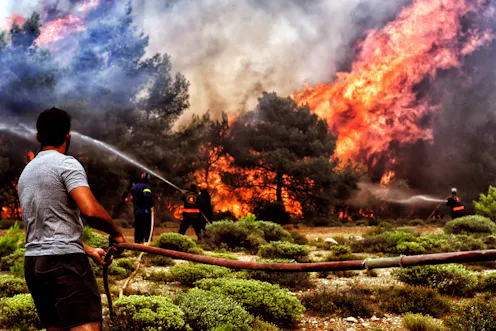
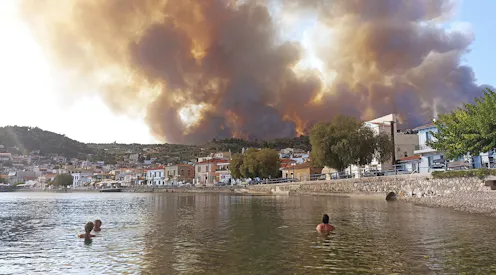
From Greece, to the UK, to Japan and even Sweden, a slew of places in the Northern Hemisphere are suffering extreme heat. And the chances of extreme heat records tumbling are growing all the time.
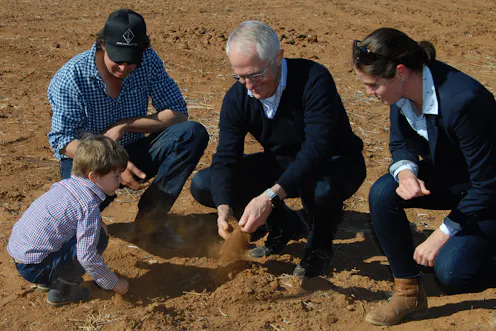
Southern Australia’s debate may be exacerbated by climate change, but it’s not that simple.
Contact Andrew for
- General
- Media request
- Speaking request
- Consulting / Advising
- Research collaboration
- Research supervision
- Location: Melbourne, Australia
- Website
- X (formerly Twitter): @AndrewKingClim
- Article Feed
- ORCID
-
- Joined
