
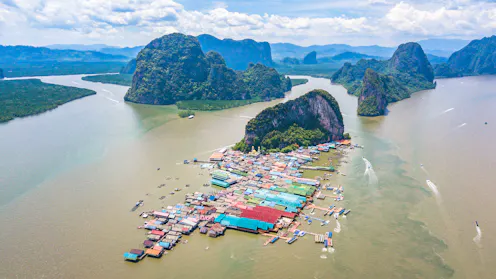
Global warming will be most noticeable where the weather doesn’t normally vary much, such as the tropics. But these places are also home to many of the world’s poorest and least culpable nations.
- ARC Future Fellow and Associate Professor in Climate Science, ARC Centre of Excellence for 21st Century Weather, The University of Melbourne
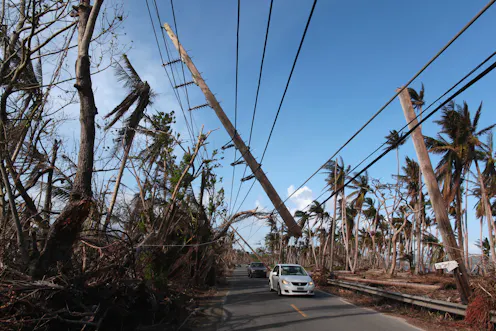
2017 brought wild, wacky and even deadly weather. Australia was hit by heatwaves and torrential rains, plus some surprisingly cool spells. Hurricanes hit America, and a killer monsoon lashed Asia.

We already know that climate change makes heatwaves hotter and longer. But a new series of research papers asks whether there is also a climate fingerprint on frosty spells and bouts of wet weather.
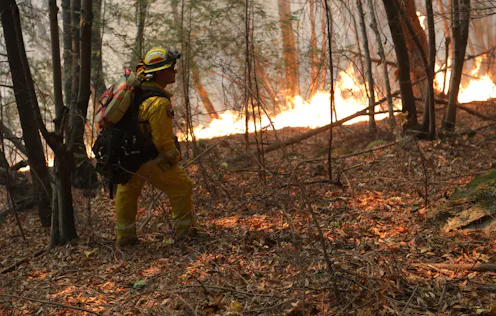
This year is poised to go down as the hottest non-El Niño year ever recorded, with record low polar ice and extreme weather that left many regions battling bushfires and hurricanes.
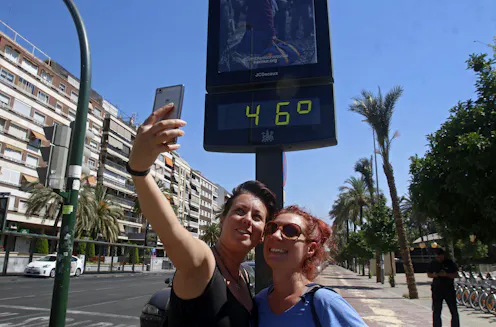
In an unchanging climate, we would expect record-breaking temperatures to get rarer as the observation record grows longer. But in the real world the opposite is true - because we are driving up temperatures.

Without limiting global warming Europe is likely to see more severe heatwaves, less frequent extreme cold and more intense rain events.
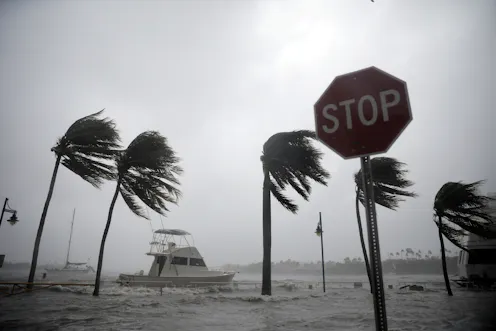
Warmer oceans, higher sea levels and heavier rainfall are making the effects of hurricanes worse.
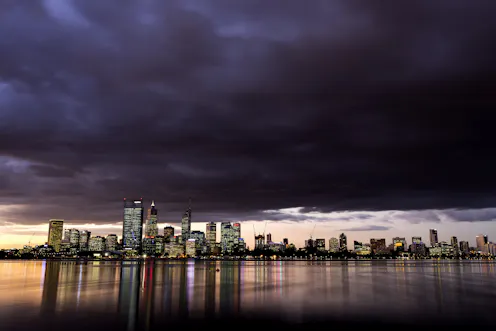
In 2017 Australia’s winter had the highest average daytime temperatures on record. This extreme is 60 times more likely to occur under the influence of greenhouse gas emissions.
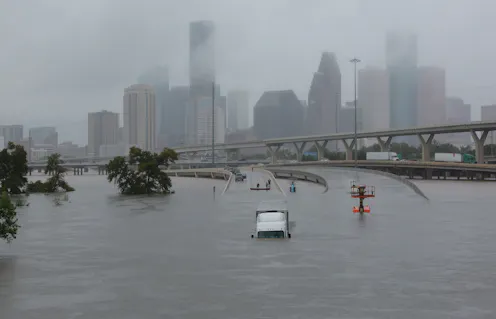
The unpredictability of hurricanes makes it hard to say for sure whether climate change is making them worse. But we do know that sea-level rise and increased evaporation will worsen the impacts.
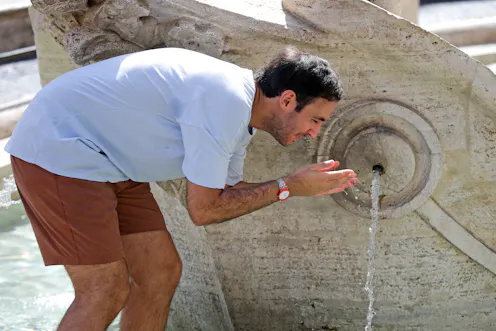
Parts of Europe are having a devastatingly hot summer. Already we’ve seen heat records topple in western Europe in June, and now a heatwave nicknamed “Lucifer” is bringing stifling conditions to areas…
Winter hasn’t felt too wintry yet in much of Australia. Most of us have have had more sunshine, higher temperatures, and less rainfall than is normal for the time of year. In fact, Australia just had its…
This June was the seventh-warmest and second-driest on record for Australia. Parts of the southwest and southeast saw record dry conditions as frontal systems passed further south than normal and high…
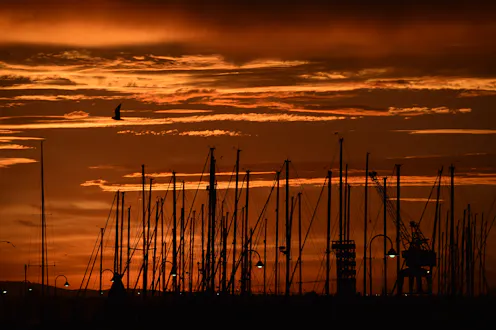
Climate Council CEO Amanda McKenzie told Q&A that heatwaves were ‘worsening’ in Australia and ‘hot days’ had doubled in the last 50 years. Let’s take a look at the evidence.
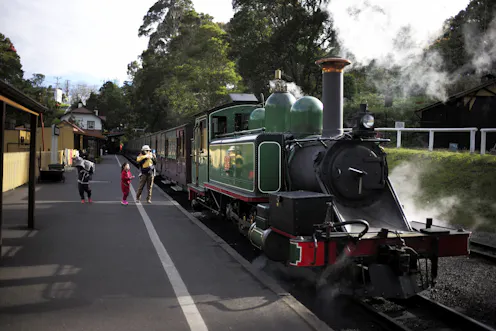
The Paris climate agreement aims to keep global warming to within 2°C above ‘pre-industrial levels’. But what does that mean, exactly?
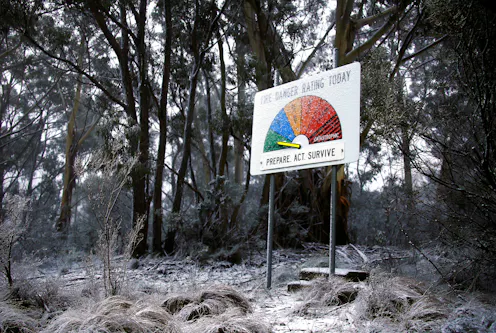
Australia is looking at another mild winter – but while it sounds pleasant, it can increase bushfire risk and worsen drought. Winter heatwaves are actually (enjoyable) extreme weather events.
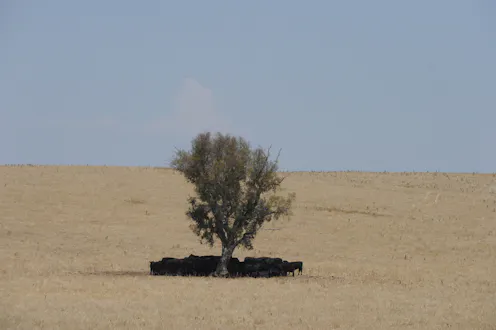
Global warming of 2°C, the higher of the two Paris targets, would see current record-breaking temperatures become the norm in the future, potentially bringing heatwaves to both land and sea.
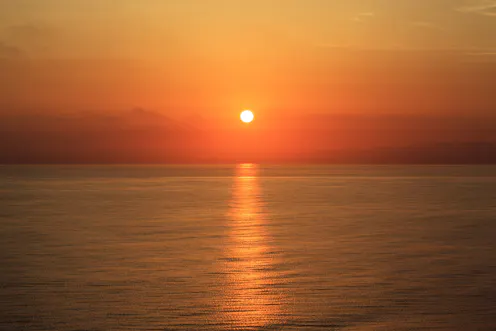
If the Pacific Ocean enters an ‘El Tio’ phase, it could speed the world towards 1.5 degrees of global warming, one of the crucial benchmarks of the Paris Climate Agreement.
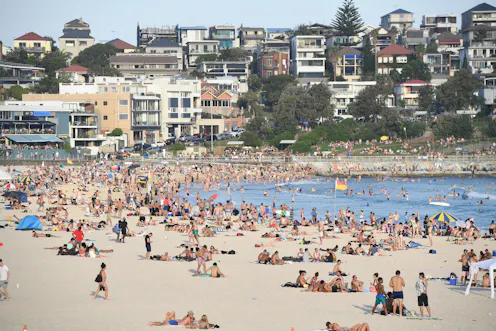
New South Wales has just had its hottest summer on record – an event that was made 50 times more likely by humans’ impact on the climate.
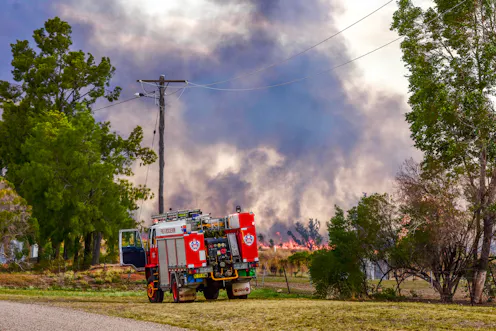
Heat records have tumbled across New South Wales as the state suffered through the weekend’s heatwave. A new analysis shows that climate change made this kind of event much less of a rarity.
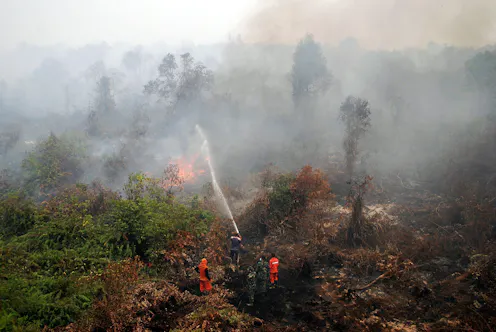
We’re due to cop a hiding from the Pacific Ocean, but we don’t know when.
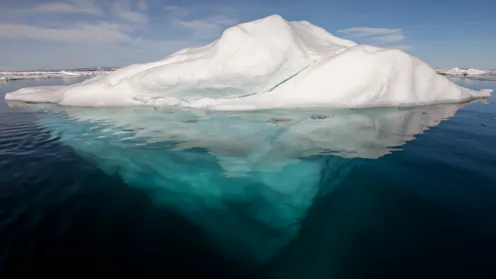
The end of 2016 has brought balmy Arctic temperatures and record low ice extent for the time of year. It’s a freak event even by modern standards, and climate models point the finger firmly at humans.
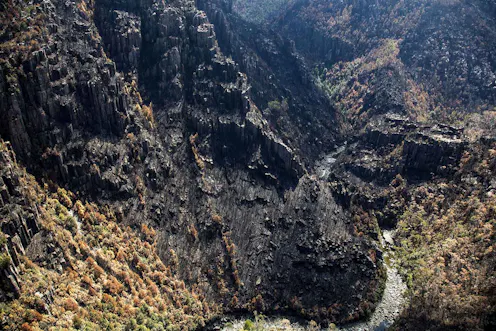
October 2015 was the hottest on record for that month, and Tasmania had its driest ever spring.
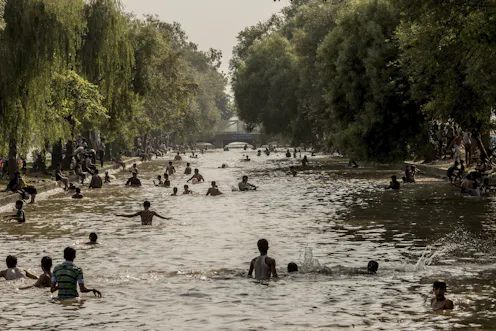
Across the globe, extreme heat events are linked with climate change, although El Niño provided a boost in 2015 leading to more records being broken.
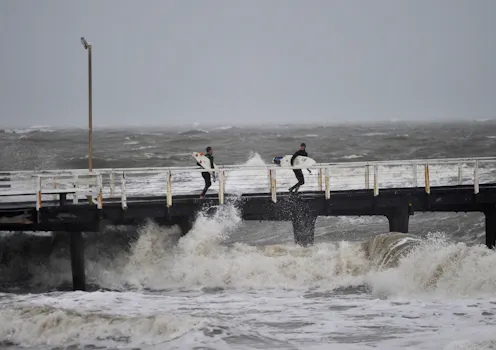
Since April 2015, each month has been the hottest on record and it’s the longest hot streak on record.
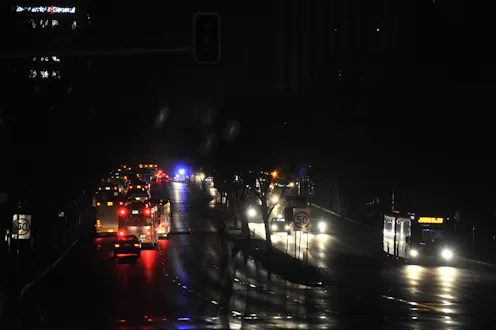
South Australia is recovering from a state-wide blackout, and fingers are pointing at the state’s renewable energy industry and climate change.
Contact Andrew for
- General
- Media request
- Speaking request
- Consulting / Advising
- Research collaboration
- Research supervision
- Location: Melbourne, Australia
- Website
- X (formerly Twitter): @AndrewKingClim
- Article Feed
- ORCID
-
- Joined
