
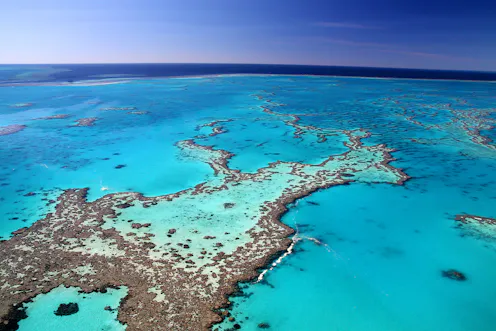
A new report published by the Climate Institute says Australia could avoid lengthy heatwaves and help save the Great Barrier Reef by meeting the Paris Agreement’s 1.5C global warming goal.
- ARC Future Fellow and Associate Professor in Climate Science, ARC Centre of Excellence for 21st Century Weather, The University of Melbourne
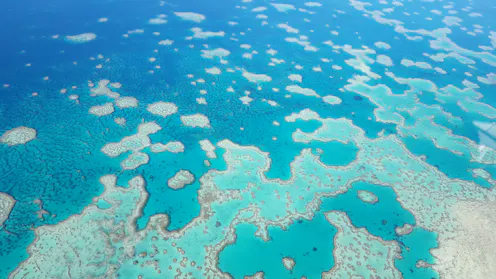
Limiting global warming to 1.5°C already looks out of reach, so where do we go from here?
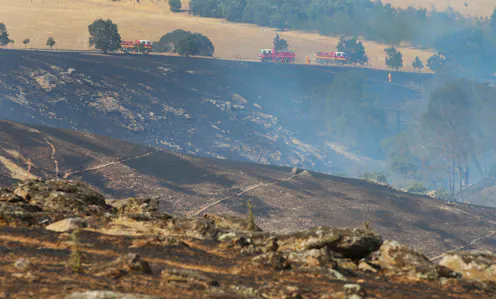
2015 was the world’s hottest year on record. The US State of the Climate report has rounded up the litany of temperature and other records that were broken all over the globe.
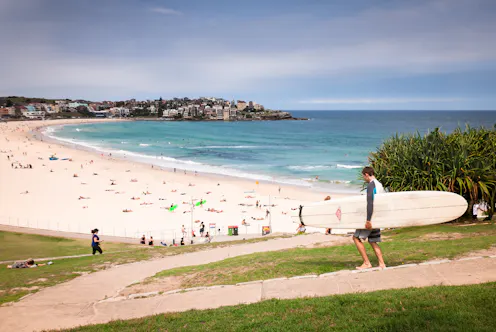
Autumn 2016 was Australia’s hottest, beating the previous record set in 2005.
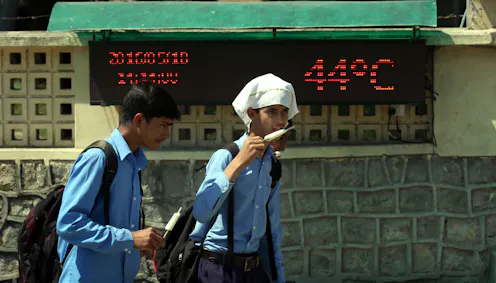
The city of Phalodi has set a temperature record for India, hitting 51°C. Until now, India’s smog problem has curbed extreme temperatures. But that could be about to change.
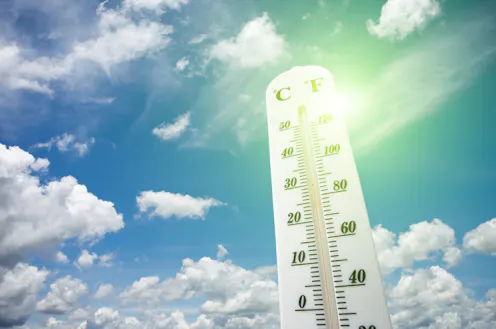
Another month, another broken temperature record. Scientists are already confident 2016 will be the hottest year ever, a record only set in 2015.
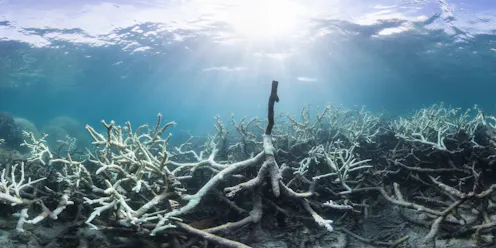
This summer’s record-breaking coral bleaching on the Great Barrier Reef was made 175 times more likely thanks to climate change.
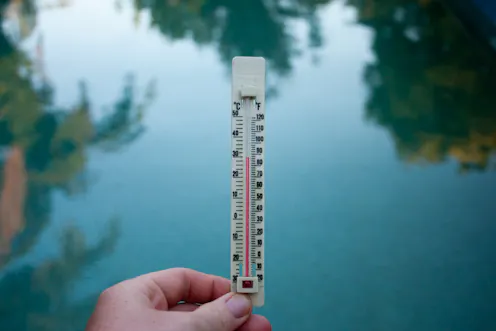
Record-breaking years have been almost impossible without human-caused climate change.

2014 saw heatwaves of all kinds and other wild weather. Research can now explain that climate change made these events much more likely.

Global warming is, by definition, experienced worldwide. But a new study shows that the tropics were the first places on earth where the human effect on climate outstripped normal climate variations.
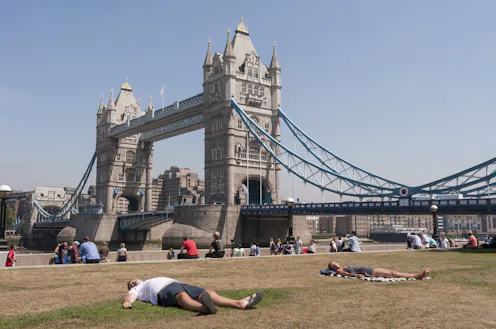
An analysis of the world’s longest-running temperature record suggests that England is many times more likely to experience more record-breaking hot years like 2014 than it was a century ago.

It’s clear: 2014 has been a scorcher. As well as probably being the hottest year on record globally, regional and local climate records have tumbled too. Australia recently had its hottest spring on record…
As representatives from around the world sit down in Lima to discuss how to tackle the ever-growing problem of climate change, it is becoming increasingly likely that 2014 will be the hottest year on record…
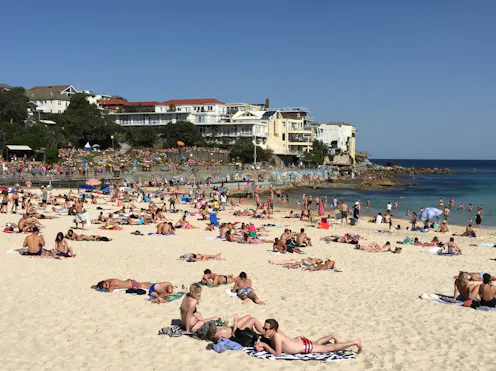
This time last year, it was announced that Australia had experienced its hottest spring on record. Well, guess what? It’s happened again. The spring of 2014 was hotter still and is the new record-holder…
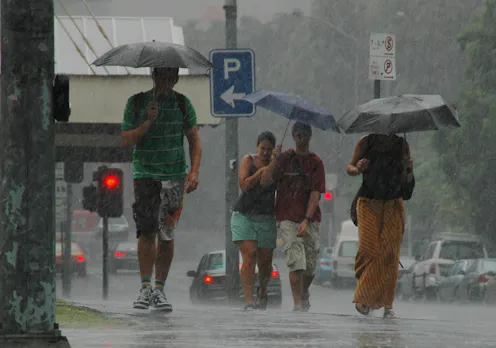
As a climate scientist, it seems for every extreme event - be it the recent hottest 12 months on record for Australia or the floods and heavy rains of 2011 and 2012 - one question is inevitably asked…
Contact Andrew for
- General
- Media request
- Speaking request
- Consulting / Advising
- Research collaboration
- Research supervision
- Location: Melbourne, Australia
- Website
- X (formerly Twitter): @AndrewKingClim
- Article Feed
- ORCID
-
- Joined
